Justice Must Be Firm When Innocent Life Is Taken
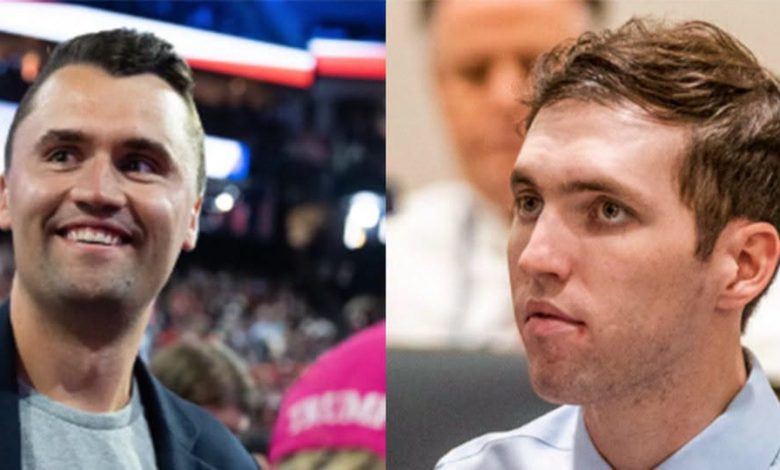
America cannot afford to grow numb when political violence tears a family apart and shakes the conscience of a nation. The case against Tyler Robinson, the man accused in the fatal shooting of conservative activist Charlie Kirk, has become more than a courtroom proceeding. It is now a test of whether the justice system still has the strength to defend innocent life with seriousness, speed, and moral clarity.
Prosecutors have presented evidence they say links Robinson to the killing at Utah Valley University on September 10, 2025, and they have indicated that they intend to seek the death penalty if he is convicted. That distinction matters. In America, guilt must be proven in court. But once guilt is proven beyond a reasonable doubt in a case of deliberate murder, justice should not be softened by political fashion or endless procedural hesitation.
The first duty of the justice system is to protect the innocent. When a life is taken in cold blood, the punishment must reflect the gravity of the crime. Families do not get second chances with the loved ones they bury. Children, spouses, parents, and friends are left with a permanent absence no appeal or delay can erase.
Too often, the national conversation focuses more on the rights and comfort of the accused than on the suffering of victims’ families. Due process is essential. A fair trial is essential. But fairness does not mean weakness. It does not mean allowing accused killers, once convicted, to spend decades exhausting taxpayer-funded appeals while families are forced to relive the worst day of their lives again and again.
Capital punishment exists for the most extreme crimes because some acts demand the strongest possible legal response. It is not about revenge. It is about accountability. It is about declaring, through law, that innocent life has immeasurable value and that those who intentionally destroy it must face consequences equal to the severity of their actions.
The death penalty also serves a practical purpose: a convicted murderer can never harm another family again. Americans are tired of seeing violent offenders treated as social problems first and moral agents second. Poverty, ideology, anger, or personal grievance cannot excuse murder. A society that constantly searches for excuses eventually forgets how to draw hard lines between right and wrong.
This case also raises a larger concern about political violence in America. No matter the target, no matter the ideology, no civilized nation can tolerate assassination as a form of political expression. Public debate is protected. Protest is protected. Speech is protected. Violence is not. Once bullets replace arguments, the republic itself is under attack.
That is why the response must be firm, public, and unmistakable. If prosecutors prove their case, Robinson should face the full weight of the law. Not a symbolic sentence. Not a negotiated outcome that leaves Americans wondering whether justice was watered down. A deliberate killing should be met with deliberate justice.
Critics of capital punishment often argue that the death penalty does not bring victims back. That is true. Nothing can. But that argument misses the point. Criminal punishment is not designed to reverse tragedy. It is designed to affirm moral order, protect society, and impose consequences on those who commit the worst crimes.
America’s justice system must balance mercy with responsibility. But mercy without accountability becomes indifference toward victims. Compassion for the accused must never become abandonment of the innocent.
If Tyler Robinson is convicted of this atrocity, the death penalty should remain firmly on the table. Not because America is cruel, but because America must be serious about justice. Families deserve closure. Communities deserve safety. And the nation deserves a legal system that still has the courage to say that some crimes are so grave they demand the ultimate penalty.