America Must Restore Deterrence Against Iran Before It Is Too Late
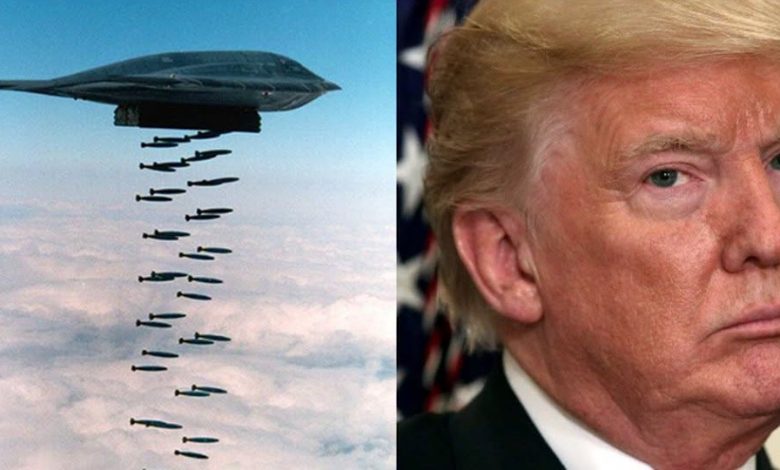
For too long, Washington has treated the Iranian regime as a problem that could be managed with patience, concessions, and empty diplomatic language. That approach has failed. Iran is not merely a difficult government; it is a hostile regime with a long record of threatening American interests, backing terror networks, and destabilizing the Middle East.
The U.S. State Department still lists Iran as a State Sponsor of Terrorism, a designation dating back to 1984. That fact should end any illusion that Tehran can be trusted simply because Western leaders want another agreement.
President Trump’s approach recognizes a hard truth: weakness invites aggression, while strength creates deterrence. In February 2025, the White House announced the restoration of a maximum pressure policy against Iran, aimed at blocking Tehran’s path to a nuclear weapon and countering its influence abroad.
That is the kind of clarity America needs. The Iranian regime has repeatedly used proxies, threats, and regional chaos to test American resolve. Every time Washington responds with hesitation, Tehran reads it as permission to push further. Appeasement does not buy peace; it buys time for America’s enemies.
The nuclear issue makes the danger even more urgent. The IAEA has reported serious limits on monitoring and verification after Iran stopped implementing key nuclear-related commitments under the JCPOA framework. When a regime with Iran’s record limits transparency around nuclear activity, America cannot afford wishful thinking.
This does not mean reckless war. It means lawful, focused, and overwhelming pressure: crippling sanctions, strict enforcement against oil revenue that funds aggression, protection of American troops and allies, and a clear willingness to strike legitimate military threats when American lives are at risk. Deterrence only works when enemies believe there will be real consequences.
Trump’s critics often confuse restraint with weakness and strength with recklessness. But history teaches the opposite. Peace is preserved when hostile regimes understand that America will defend its people, its allies, and its interests without apology. Endless negotiations without leverage only encourage more demands, more attacks, and more humiliation.
American troops deserve leaders who do not send them into danger under rules designed to satisfy foreign diplomats. American families deserve a government that puts national security ahead of globalist approval. And America’s allies deserve to know that the United States will not abandon them while Tehran expands its influence through intimidation.
The Iranian people are not the enemy. Many have suffered under the same regime that threatens America and destabilizes the region. The real target of U.S. policy must be the ruling regime, its military apparatus, and the financial networks that sustain its aggression.
This moment demands seriousness. America cannot drift from one crisis to another while pretending that Tehran will moderate itself. Deterrence must be rebuilt, pressure must be sustained, and American sovereignty must come first.
The choice is clear: continue the failed cycle of concessions and escalation, or restore the kind of strength that keeps enemies in check. America does not seek conflict, but it must never fear defending itself.