America Draws a Line Against Foreign Terror Sympathy
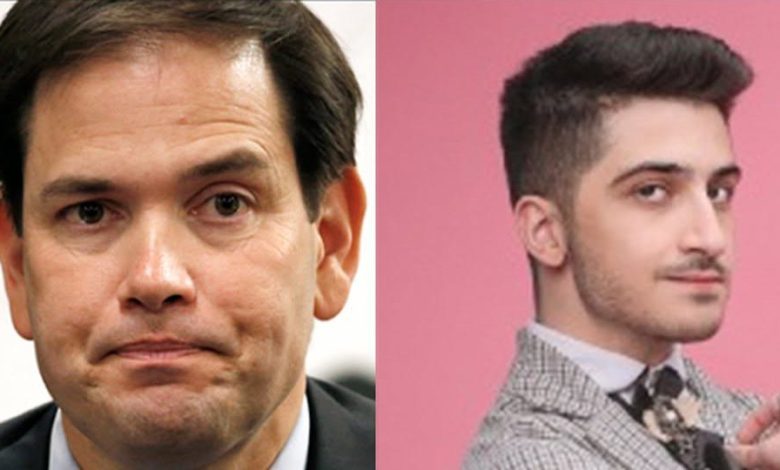
The United States has a duty to protect its citizens first. That principle is now at the center of a growing national debate after reports said Tareq Alkhudari, a Kuwaiti green card holder, had his legal status revoked after allegedly making anti-American statements and expressing support for terrorist propaganda.
For many Americans, this case is not about silencing ordinary political disagreement. It is about whether a foreign national should continue enjoying the privilege of living in the United States while openly denigrating the country and appearing to sympathize with forces hostile to American interests.
Secretary of State Marco Rubio’s reported action sends a clear message: U.S. residency is not a blank check. America can welcome immigrants, students, workers, and families from around the world, but that welcome must come with basic respect for the nation’s security and laws.
Critics will call the move harsh. Some will frame it as political overreach. But the harder question is the one they often avoid: Should the United States be expected to provide permanent residency to someone accused of promoting anti-American hostility and praising extremist causes?
National security cannot depend on wishful thinking. The world has changed. Terror groups and hostile movements no longer rely only on weapons or borders; they also spread ideology, propaganda, and public support through online platforms. When foreign nationals living in America appear to amplify those messages, the government has every reason to take the matter seriously.
This does not mean every immigrant should be treated with suspicion. America’s strength has always included lawful immigration and opportunity. But lawful status is a privilege, not an entitlement, and it should not protect individuals who abuse America’s hospitality while aligning themselves rhetorically with enemies of the country.
The left’s outrage also exposes a familiar double standard. Many progressive voices demand strict consequences for speech they dislike at home, yet suddenly become defenders of unlimited tolerance when the issue involves foreign nationals accused of anti-American extremism. That inconsistency weakens public trust and makes ordinary citizens wonder whose safety truly comes first.
The central issue is simple: America has the right to decide who remains inside its borders. A nation that cannot enforce that right is not acting with compassion; it is abandoning sovereignty.
Rubio’s stance reflects a broader demand from millions of Americans who are tired of leaders apologizing for defending the country. They want immigration rules that mean something. They want vetting that protects communities. They want officials who understand that national security is not political theater—it is a core responsibility of government.
The United States should continue to welcome those who come legally, contribute peacefully, and respect the country that gives them opportunity. But when credible allegations involve anti-American rhetoric and sympathy for terrorist messaging, the burden should not fall on citizens to accept the risk.
This case stands as a warning: America’s generosity must never become a weakness. Protecting the homeland, enforcing immigration law, and refusing to tolerate terror sympathy are not extreme positions. They are basic duties of a serious nation.