ICE’s New Air Operations Signal a Harder Line on Border Enforcement
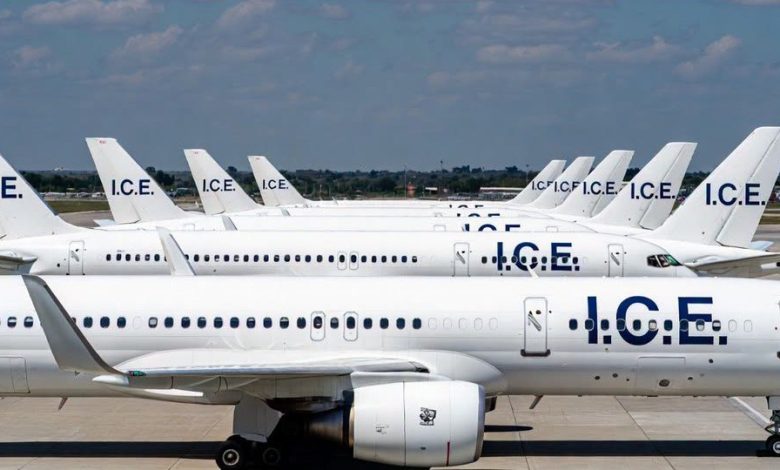
America’s immigration debate has reached a point where words alone are no longer enough. For years, voters have heard promises about stronger borders, faster enforcement, and an end to policies that allow people with no legal right to remain in the country to stay for months or even years. Now, with ICE expanding dedicated air removal operations, the federal government is signaling a more aggressive effort to restore control over immigration enforcement.
Supporters of the move argue that sovereignty means little if the law is not enforced. A nation cannot maintain public confidence when illegal entry is treated as a minor violation and removal orders are delayed by bureaucracy, limited transportation capacity, or political resistance. Dedicated aircraft give ICE a more direct way to carry out deportations, especially for individuals who have already gone through the legal process and received final removal orders.
The issue is not only about border lines on a map. It is about public safety, national security, taxpayer costs, and fairness to legal immigrants. Communities across the country have struggled with pressure on schools, hospitals, shelters, and local services. While most immigrants are not criminals, Americans are right to demand that those who violate immigration law — especially repeat offenders, gang members, or individuals with serious criminal histories — face real consequences.
For too long, critics say, the system has operated in a cycle of release, delay, and disappearance. When enforcement agencies lack the resources to complete removals quickly, the message sent to smugglers and cartels is clear: the system can be overwhelmed. Dedicated flights could help change that calculation by making deportation more predictable, more efficient, and harder to obstruct.
This also matters for law-abiding immigrants who followed the rules. Millions of people wait, apply, pay fees, attend interviews, and respect the legal immigration process. When others bypass that process and remain in the country anyway, it weakens faith in the system and creates resentment among those who did everything correctly.
The economic concerns are also real. Illegal labor can place downward pressure on wages in industries such as construction, agriculture, hospitality, and service work. American workers and legal residents should not have to compete against a shadow labor market that rewards employers willing to ignore the rules. Stronger removal operations are one part of restoring fairness to that equation.
Sanctuary policies add another layer to the conflict. When local governments refuse to cooperate with federal immigration enforcement, they create gaps that can allow dangerous individuals to remain in communities longer than they should. ICE air operations will not solve every problem, but they could give federal authorities a stronger tool when local cooperation breaks down.
Still, the policy will only succeed if it is carried out with discipline. Enforcement must be firm, lawful, and focused. Deportation should follow proper legal procedures, especially when final orders have been issued. The goal should not be chaos or political theater. The goal should be restoring a system where the law means something and consequences are predictable.
At its core, this debate is about whether America still has the will to defend its own borders. Compassion cannot mean ignoring the victims of crime, the costs carried by taxpayers, or the damage done when cartels profit from illegal crossings. A serious country must be able to welcome legal immigrants while removing those who violate its laws.
ICE’s expanded flight operations send a clear message: the United States is moving toward stronger enforcement, faster removals, and a renewed commitment to border sovereignty. For many Americans, that is not cruelty. It is common sense.