Iran’s Regime Is Under Pressure—america Must Not Confuse A Pause With Peace
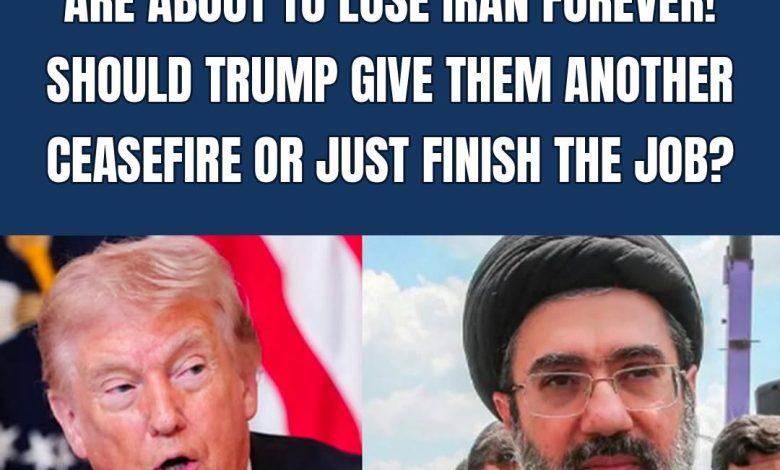
Iran’s ruling establishment is showing unmistakable signs of strain. Economic hardship, domestic unrest, political repression, and growing public anger have weakened the image of total control that the ayatollahs have worked for decades to maintain.
But Americans should be cautious about declaring that the regime’s collapse is imminent. Authoritarian governments can survive longer than expected, particularly when they possess powerful security forces, control the media, and are willing to suppress opposition without restraint. Pressure alone does not guarantee regime change—but retreat would almost certainly strengthen Tehran.
For years, Iran’s leaders have relied on the Islamic Revolutionary Guard Corps, intelligence agencies, imprisonment, and executions to silence dissent. Abroad, the regime has expanded its influence by supporting armed groups such as Hamas, Hezbollah, the Houthis, and militias operating across Iraq and Syria.
These proxy networks allow Tehran to threaten American troops, disrupt international shipping, pressure Israel, and destabilize the Middle East while attempting to avoid direct responsibility.
That strategy must carry consequences.
Past negotiations have sometimes slowed Iran’s nuclear activities, but temporary agreements have not resolved the central problem: Tehran continues to maintain nuclear infrastructure, develop missile capabilities, and finance forces hostile to the United States and its allies. Any new diplomatic arrangement must therefore be judged by measurable enforcement—not promises, speeches, or temporary reductions in tension.
President Donald Trump’s “maximum pressure” approach was built on the belief that Iran responds more seriously when it faces economic isolation and credible consequences. Supporters argue that sanctions restricted Tehran’s resources and made it more difficult for the regime to finance its regional operations. Critics counter that pressure did not eliminate Iran’s nuclear program or produce political transformation.
Both observations matter. Sanctions without a broader strategy can be endured or bypassed. Military action without a realistic political objective can trigger escalation, strengthen hard-liners, and endanger civilians.
America therefore needs discipline rather than slogans.
A serious policy should combine strict enforcement of sanctions, disruption of illicit oil and financial networks, protection of American forces, support for regional allies, strengthened missile defenses, and a credible military deterrent. It should also support the Iranian people’s access to information and expose officials responsible for repression and corruption.
At the same time, Washington must avoid assuming that bombing government facilities would automatically produce a democratic Iran. The fall of an authoritarian government can create opportunities, but it can also create chaos, civil conflict, or a power vacuum exploited by even more dangerous forces.
The objective should be clear: prevent Iran from obtaining a nuclear weapon, reduce its ability to finance terrorism, defend American personnel and allies, and increase the cost of domestic repression.
Diplomacy should remain available, but only when backed by verification and consequences. Tehran must not be allowed to use negotiations merely to gain time, weaken sanctions, rebuild military capacity, or divide the United States from its allies.
Iran’s rulers may be under greater pressure than they publicly admit. Yet pressure becomes meaningful only when it is sustained, coordinated, and connected to achievable goals.
America should neither appease Tehran nor rush blindly into another open-ended Middle Eastern war. Strength means maintaining deterrence, enforcing clear limits, and refusing to reward aggression.
The Iranian people deserve a government that respects their rights and no longer sacrifices their future to ideological warfare. The United States cannot determine Iran’s political destiny by itself, but it can ensure that the regime’s threats, proxy attacks, and nuclear ambitions are never treated as normal or cost-free.
This is not the moment for complacency. It is the moment for strategic pressure, credible deterrence, and a policy grounded in American security rather than wishful thinking.