Courthouse Arson Is Not Protest—Those Responsible Must Face Serious Prison Time
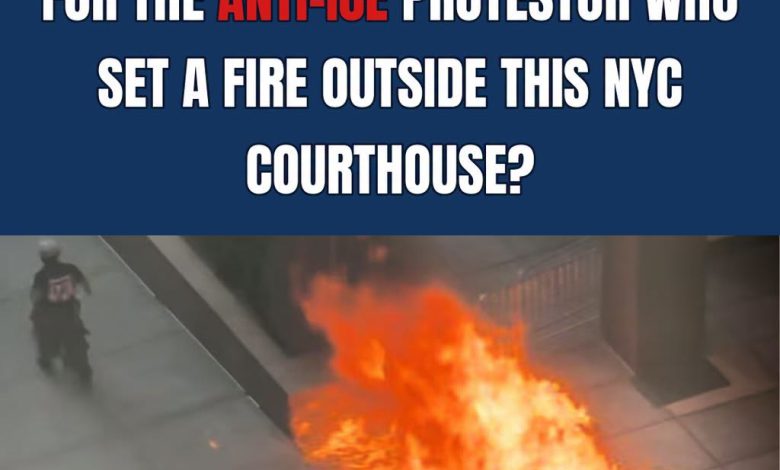
Americans have every right to debate immigration policy, criticize federal agencies, and peacefully protest enforcement actions. But setting fires outside courthouses or threatening federal facilities crosses a clear and dangerous line. It is not civil disobedience. It is violence that can endanger court employees, law-enforcement officers, attorneys, defendants, and ordinary citizens.
When activists allegedly use fire to intimidate immigration officials or disrupt judicial proceedings, federal prosecutors should pursue every charge supported by the evidence. Potential offenses involving arson, destruction of government property, threats, or interference with federal operations carry serious consequences for good reason.
The government must also determine whether such incidents were spontaneous acts or part of an organized effort. Anyone who planned, financed, coordinated, or repeatedly participated in violent attacks should be investigated and prosecuted according to their individual conduct. Political slogans should neither excuse criminal behavior nor substitute for proof in court.
Sentencing must remain consistent with the Constitution and the facts of each case. Defendants are entitled to due process, but a political motive should not become a shield against accountability. When prosecutors prove deliberate arson or an attempt to terrorize public employees, substantial incarceration, restitution for property damage, and appropriate supervised-release restrictions may be necessary to protect the public and deter similar attacks.
Judges should distinguish clearly between peaceful demonstrators and people who commit violence. Protesters carrying signs and expressing opposition to Immigration and Customs Enforcement are exercising constitutional rights. Those who bring incendiary materials, damage buildings, or knowingly place lives at risk are committing acts that belong in a courtroom—not in the protected sphere of political expression.
A weak response creates a dangerous incentive. If violent activists conclude that ideological motives will produce lenient treatment, confrontations may escalate from blocking entrances and surrounding vehicles to attacking buildings and personnel. The law loses credibility when politically motivated violence appears to receive special consideration.
Immigration enforcement is a legitimate function of the federal government, regardless of how passionately some Americans oppose particular policies. Disagreements must be resolved through elections, legislation, litigation, and peaceful advocacy—not through flames at courthouse doors.
The principle should be simple: protest is protected, violence is prosecuted, and guilt is determined through due process. Anyone convicted of deliberately setting fires near a federal courthouse should receive a sentence proportionate to the danger, damage, intent, and role in the offense. Protecting the rule of law requires neither political favoritism nor collective punishment—only firm, impartial accountability.