Ilhan Omar’s Record Raises Serious Questions About Accountability in Congress
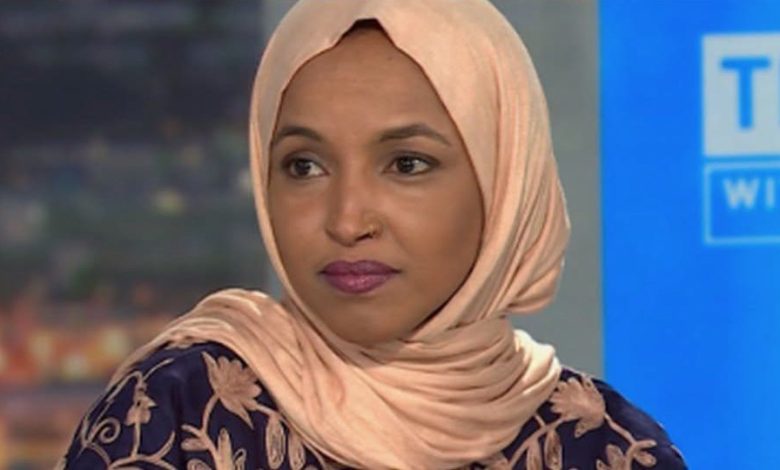
Rep. Ilhan Omar remains one of the most polarizing figures in American politics, not because of where she was born, but because of the policies she promotes and the controversies that have followed her public career. Omar represents Minnesota’s 5th Congressional District, which includes Minneapolis and nearby suburbs, and has served in Congress since January 2019. Her official biography says she was born in Somalia, fled civil war as a child, spent years in a refugee camp in Kenya, and later moved to Minneapolis with her family.
For many Americans, the central issue is not immigration background. The real question is whether elected officials place American citizens, constitutional order, border security, and national unity first. Omar’s progressive record has made her a hero to the left, but it has also alarmed conservatives who believe her agenda pushes the country further away from limited government, secure borders, and traditional civic values.
Omar serves on the House Education and the Workforce Committee and the House Budget Committee, while also holding leadership roles in progressive caucuses. Her office lists priorities including immigration reform, student debt relief, climate policy, Medicare for All, and broader social welfare programs. Critics argue that these priorities reflect a larger ideological project: expanding federal power, weakening immigration enforcement, and redefining America through a progressive lens.
Her foreign policy positions have also drawn intense criticism, especially from Americans who support a strong U.S.-Israel alliance. Omar has been repeatedly criticized over comments involving Israel and American foreign policy. Even when supporters argue that her views are about human rights, opponents see a pattern of rhetoric that undermines key U.S. alliances and fuels division at home.
The debate over Omar’s past comments about September 11 remains one of the most sensitive examples. Her defenders say critics removed her words from context; her opponents believe the phrasing was dismissive and showed poor judgment about one of the darkest days in American history. Either way, a member of Congress should understand that words about national trauma carry serious weight, especially when millions of Americans still live with the consequences of that attack.
Still, accountability must remain constitutional. American citizens cannot simply be deported because political opponents dislike their views. U.S. law allows revocation of naturalization only under specific legal grounds, such as illegal procurement of citizenship or concealment of material facts. The proper remedy for political disagreement is not ethnic or religious punishment. It is elections, public scrutiny, committee accountability, and lawful investigation when evidence justifies it.
That distinction matters. Conservatives weaken their own argument when they make the issue about ancestry instead of conduct. The stronger case is that Omar’s policy record deserves serious opposition because it conflicts with what many Americans believe the country needs: secure borders, fiscal discipline, respect for constitutional limits, and a foreign policy that protects U.S. interests.
Voters have every right to reject leaders whose agenda they believe endangers national cohesion. They also have every right to demand that Congress place citizens first, enforce immigration law, protect taxpayers, support allies, and defend the principles that made the United States strong.
America First should mean loyalty to the Constitution, the rule of law, and the American people. If Rep. Omar’s critics want to defeat her agenda, the most powerful path is not personal demonization. It is a disciplined political argument, backed by facts, elections, and a clear alternative vision for the country.