Jessica Gorman’s Testimony Puts Sanctuary Policies Back Under National Scrutiny
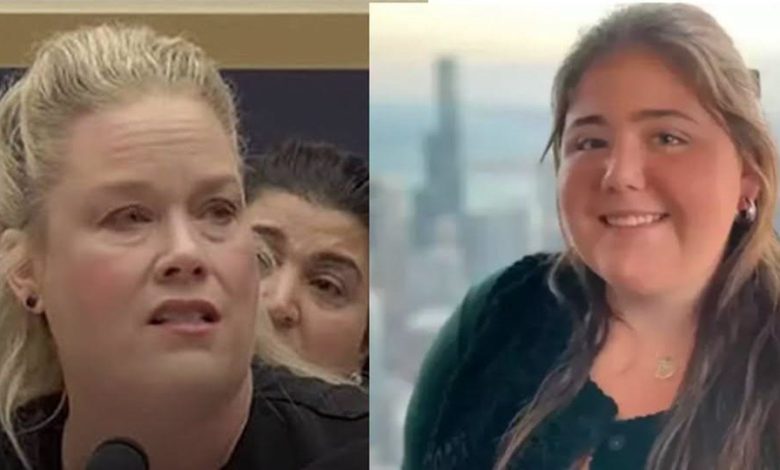
The killing of Sheridan Gorman, daughter of Jessica Gorman, has become another painful flashpoint in America’s debate over sanctuary city policies, border enforcement, and public safety.
Jessica Gorman testified before a House Judiciary Subcommittee hearing on sanctuary policies after her daughter was killed in a shooting at a Rogers Park beach in Chicago in March. According to ABC7 Chicago, the alleged gunman, Jose Medina, entered the United States illegally in 2023, had a criminal record, and has pleaded not guilty in the case.
For many Americans, this case raises a direct and uncomfortable question: When local officials limit cooperation with federal immigration enforcement, who is responsible when preventable violence follows?
Supporters of tougher enforcement argue that sanctuary policies can create dangerous gaps between local police and federal immigration authorities. They say the issue is not about punishing immigrants as a group, but about ensuring that people accused of serious crimes are not allowed to remain in communities where they may pose a threat.
Jessica Gorman’s testimony gave that debate a human face. Her grief was not abstract. It was not a talking point. It was the voice of a mother asking why public safety was not treated as the first duty of government.
Republican Rep. Mike Lawler, who introduced Gorman at the hearing, sharply criticized sanctuary policies and argued that Chicago’s refusal to cooperate fully with immigration enforcement allowed a dangerous person to remain on the streets. His office said the case showed how immigration policy failures can have deadly consequences for American families.
Still, any serious discussion must be honest: the accused has not been convicted, and courts must determine guilt based on evidence. But due process for the accused does not erase the broader policy question. If a person entered the country unlawfully, had prior criminal contact, and later became the suspect in a deadly case, Americans have the right to ask whether the system failed before the tragedy occurred.
The heart of the issue is simple: public compassion cannot mean ignoring public safety. A government that protects vulnerable people must also protect citizens from repeat offenders, violent suspects, and policy loopholes that make enforcement harder.
Sanctuary city leaders often defend their rules as a way to build trust between immigrant communities and police. But critics argue that trust should not come at the cost of refusing cooperation when someone has a serious criminal history or poses a clear danger.
Sheridan Gorman’s death should not be reduced to partisan shouting. It should force lawmakers to examine whether current policies truly protect families, students, and neighborhoods.
Justice for Sheridan Gorman means more than a courtroom verdict. It means asking whether better enforcement, stronger cooperation, and clearer accountability could prevent another family from suffering the same loss.
America can be both lawful and compassionate. But when policy choices leave citizens exposed to preventable danger, elected officials must answer for those choices.
The first duty of government is to protect its people. In the wake of Sheridan Gorman’s death, that duty must come before political ideology.