Kamala Harris and the Question of Readiness for America’s Highest Office
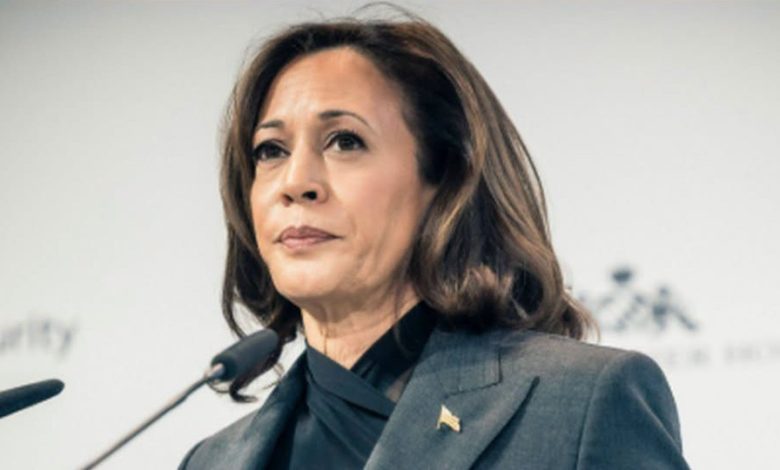
As the Democratic Party looks toward its future, Kamala Harris remains one of its most recognizable figures. She has held major titles — California attorney general, U.S. senator, vice president, and the Democratic presidential nominee in 2024 — but the deeper question for many voters is not whether she has held office. The question is whether those offices produced the kind of tested leadership Americans expect from a president.
That distinction matters. A résumé is not the same thing as a record of results. For working families facing high prices, border concerns, public safety worries, and a long-running drug crisis, political status alone is not enough. Voters want to know what a candidate has actually fixed, what pressure they have handled, and what measurable improvements followed their leadership.
Harris’s defenders often point to her historic role as vice president and her long career in public service. Those facts are real. But critics argue that her national record leaves too many unanswered questions. During the Biden administration, she was assigned to lead diplomatic efforts addressing the root causes of migration from Central America, yet the broader border crisis remained one of the defining political weaknesses of that administration.
This is where the criticism becomes politically powerful. Americans do not judge leadership by titles alone. They judge it by outcomes. If a leader is associated with a major national problem, voters naturally ask whether that leader made the problem better or worse. On immigration, Harris never fully escaped the perception that she was connected to a failing policy area, even if her official assignment was narrower than the phrase “border czar” suggests.
Her Senate record also invites scrutiny. Harris served in the Senate for only a short period before becoming vice president. She gained national attention through high-profile hearings and sharp questioning, but critics argue that she did not leave behind a landmark legislative achievement comparable to the records of presidents who arrived in office with deeper governing experience.
The contrast with past presidents is important. Ronald Reagan entered the White House after two terms as governor of California, bringing executive experience from one of the nation’s largest states. Abraham Lincoln had deep legislative experience and a defining moral vision before leading the country through the Civil War. Even political outsiders such as Donald Trump built their case around private-sector experience and an argument that they understood economic pressure outside Washington.
Harris’s challenge is different. Her supporters see her as a barrier-breaking public servant. Her critics see a politician whose rise has often seemed stronger than her list of concrete accomplishments. That gap matters because the presidency is not symbolic. The presidency is an executive job under extreme pressure.
The strongest case against Harris is not that she has no experience at all. That claim is too easy to dismiss. The stronger case is that her experience has not clearly translated into public confidence, policy success, or a widely recognized record of achievement. In American politics, that can be a serious weakness.
Voters are not wrong to ask hard questions. Who has governed effectively? Who has made difficult decisions before a crisis arrived? Who has shown independence from party insiders? Who has delivered results that ordinary Americans can actually feel?
Those questions will shape any future Harris campaign. If she seeks national office again, she will need more than historic symbolism, polished speeches, or party loyalty. She will need to prove that she can lead on substance.
America’s highest office demands more than a familiar name. It demands tested judgment, clear priorities, and a record strong enough to withstand pressure. For many voters, Kamala Harris has not yet closed that gap.