New Jersey Voter-registration Failure Demands Answers—and Real Accountability
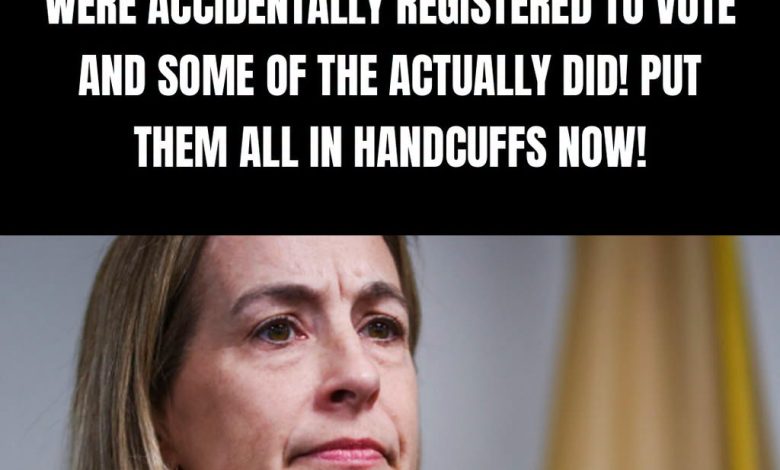
A serious breakdown in New Jersey’s voter-registration system has renewed concerns about whether state officials are doing enough to protect election integrity.
Governor Mikie Sherrill announced that a software error improperly registered approximately 6,600 noncitizens between June 2023 and June 2024. According to the governor, these individuals had specifically answered “no” when asked whether they were U.S. citizens while applying for driver’s licenses or identification cards. Nevertheless, the system registered them to vote.
That distinction matters. The available evidence indicates that these individuals were registered because of a government technology failure—not because all 6,600 deliberately lied or participated in an organized scheme. The incident also occurred nearly three years before Sherrill took office. However, those facts do not make the failure acceptable.
Even one ineligible registration represents a breakdown in a process that Americans expect to be accurate and secure. A mistake involving thousands of records exposes major weaknesses in software oversight, data verification and administrative accountability.
State officials said fewer than 400 of the improperly registered individuals cast ballots. The voters were reportedly associated with different political parties and lived in different parts of the state. Officials have said they found no evidence that the votes changed the outcome of an election.
Still, the public deserves more than reassurance. New Jersey should determine exactly which elections were involved, how many ballots were cast in each contest, whether any races had margins smaller than the number of affected ballots and why the error remained undisclosed for so long.
Sherrill has ordered the removal of the erroneous registrations, launched an investigation and begun replacing the vendor responsible for the system. Those are necessary first steps, but the investigation must be independent, transparent and released to the public whenever legally possible.
Calls for immediate arrests, however, should depend on evidence. Criminal charges may be appropriate when someone knowingly lies about citizenship or intentionally casts an illegal ballot. But officials should not presume that every person affected by a documented software error committed a crime—especially when the state acknowledges that they correctly identified themselves as noncitizens.
The broader lesson is clear: automatic voter registration cannot operate safely without reliable citizenship safeguards, regular audits and rapid correction procedures. Driver’s-license eligibility and voter eligibility are not the same, and government systems must be designed to recognize that difference.
Election security should not be treated as a partisan issue. Republicans, Democrats, independents, naturalized citizens and native-born Americans all have the same interest in ensuring that every legal vote counts—and that only eligible citizens participate in American elections.
New Jersey’s failure does not prove a coordinated conspiracy to steal elections. It does prove that administrative negligence and defective software can create vulnerabilities with serious consequences. The public is entitled to a complete explanation, meaningful reforms and accountability for every official or contractor who ignored warning signs.
Trust in elections cannot be restored through exaggeration or excuses. It must be earned through accurate voter rolls, enforceable safeguards and full transparency.