Trump’s Hard-Line Iran Strategy Sends a Clear Message: America Will Not Be Intimidated
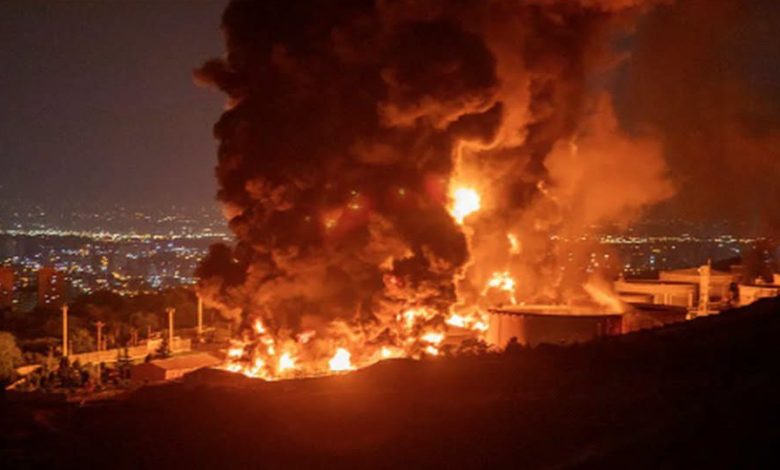
Iran’s ruling regime is facing a moment of serious pressure as President Trump’s renewed show of strength signals that the United States is no longer willing to tolerate endless threats, nuclear escalation, or proxy violence across the Middle East.
For decades, American leaders debated how to handle Tehran’s ambitions. Sanctions, negotiations, warnings, and temporary agreements all promised restraint, yet Iran’s leadership repeatedly pushed forward with enrichment activity, regional influence campaigns, and support for armed proxy groups. To many Americans, that pattern looked less like diplomacy and more like a delay tactic.
Trump’s approach is built on a different principle: peace through strength. Instead of rewarding hostile behavior with concessions, his strategy aims to make clear that aggression carries real consequences. Supporters argue that this is the only language Iran’s ruling clerics truly understand.
The central issue is not the Iranian people, many of whom have suffered under the regime’s corruption and repression. The issue is a leadership structure that has spent years threatening Israel, challenging U.S. interests, and backing groups such as Hezbollah and the Houthis. Any serious American policy must recognize that these networks are not separate problems; they are part of the same regional strategy.
A weak response would only invite more danger. History has shown that pauses, vague promises, and symbolic agreements can give hostile regimes time to regroup. If Iran’s leaders believe Washington will hesitate, they will continue testing limits. If they believe America is serious, deterrence becomes possible.
That is why many conservatives argue that the United States must focus on disabling the regime’s ability to threaten American troops, allies, and global stability. This means targeting the infrastructure of aggression: nuclear enrichment capacity, military command systems, and proxy support networks. The goal should not be endless war. The goal should be to prevent a larger and more dangerous conflict later.
Critics will say diplomacy should always come first. Diplomacy matters, but diplomacy without leverage is only a conversation. A deal is meaningless if one side uses it to buy time while continuing the same long-term agenda. Real negotiations require strength behind the words.
Trump’s supporters believe this moment proves a larger point about American leadership. When the United States projects uncertainty, adversaries advance. When America acts with clarity, adversaries calculate the cost.
The choice before Washington is not between war and peace. It is between managed weakness and credible deterrence. If America wants lasting stability, it must make clear that nuclear threats, proxy attacks, and anti-American aggression will not be rewarded.
America is strongest when its leaders defend its interests without apology. Iran’s rulers should understand that the era of empty warnings is over.