Trump’s Iran Strikes Send a Clear Message: American Deterrence Is Back
The United States has delivered a forceful warning to Tehran after U.S. officials said American forces struck at least 170 Iranian military targets over two days in response to attacks on commercial ships in the Strait of Hormuz. The strikes reportedly focused on military infrastructure, including missile sites, drone facilities, air defenses, radar systems, and command networks tied to Iran’s ability to threaten U.S. interests and regional shipping lanes.
For years, Iran’s regime has tested American patience through proxy warfare, threats against U.S. forces, and pressure on one of the world’s most important energy corridors. This latest escalation shows that Washington is no longer willing to answer every provocation with diplomatic warnings alone. When American interests are attacked, there must be a cost.
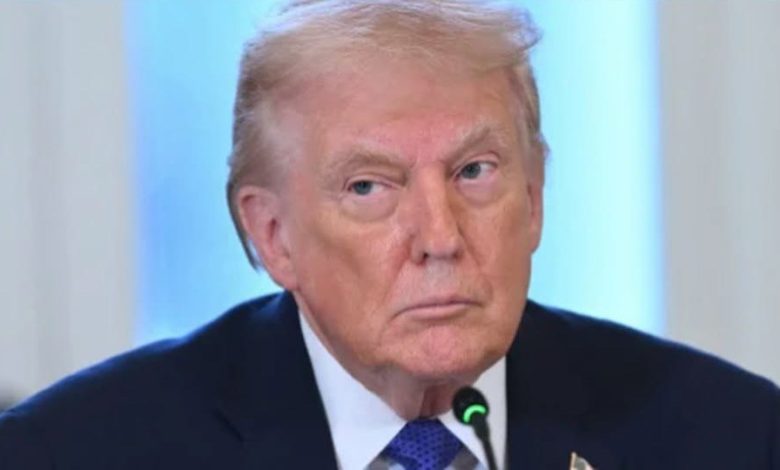
President Trump has framed the strikes as a necessary response after renewed attacks near the Strait of Hormuz, where global commerce and energy security are directly at stake. Reuters reported that the U.S. military launched fresh strikes after attacks on vessels in the strait, while Trump said the previous ceasefire understanding with Iran was effectively over.
The strategic message is simple: deterrence only works when adversaries believe America is willing to act. Destroying military assets before they can be used against U.S. troops, allies, or civilian shipping is not escalation for its own sake. It is a warning that hostile regimes cannot attack American interests and expect business as usual.
Iran has responded with threats and retaliatory fire, including claims of attacks against U.S.-linked military sites in the region. But the broader picture is clear: the regime is now facing a level of pressure it cannot easily ignore. Every degraded missile launcher, radar system, and command node weakens Tehran’s ability to project power through intimidation.
Trump also suggested another round of strikes could follow, saying the U.S. would “probably” hit Iran again if necessary. However, later reporting cited U.S. officials saying no new strikes had occurred in recent hours while technical talks continued, showing that military pressure and diplomacy may still be moving side by side.
That distinction matters. Strength does not require endless war. The purpose of decisive military action should be to restore deterrence, protect U.S. personnel, defend international shipping, and force hostile actors back from the edge. A strong America does not need to seek conflict, but it cannot afford to look passive when its interests are under attack.
The lesson for Tehran is now unmistakable: attacking U.S. interests carries serious consequences. Whether the next step is another strike or a negotiated pause, Iran’s leaders have been reminded that American power is not theoretical. Under pressure, deterrence has returned to the center of U.S. policy.