Florida’s Roadway Protection Law Reignites National Debate Over Public Safety and Protest Limits
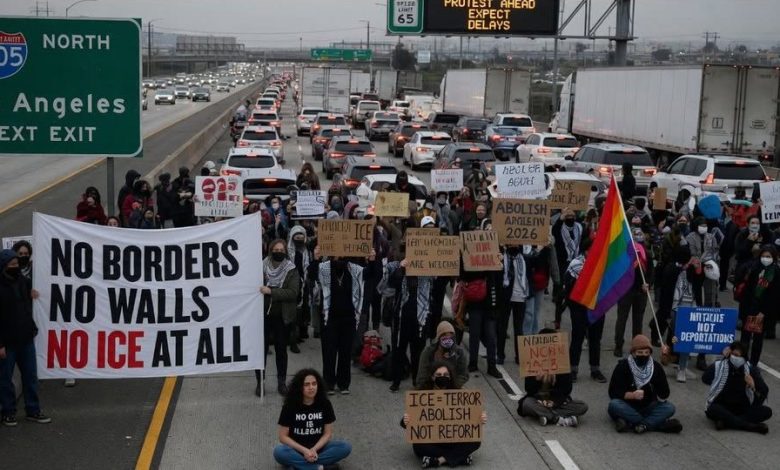
Florida’s approach to roadway protests is once again drawing national attention, as supporters argue that drivers should not be left helpless when surrounded, threatened, or trapped by unlawful crowds blocking public roads.
The issue strikes at a basic concern shared by millions of Americans: the right to travel safely without being caught in dangerous confrontations on highways, bridges, or busy intersections. While peaceful protest remains a constitutional right, blocking traffic, surrounding vehicles, and creating conditions where drivers fear for their safety raises a very different question.
Florida’s law does not give anyone permission to deliberately harm protesters. Instead, it reflects a principle many citizens support: a person who reasonably believes they are in immediate danger should have a legal defense if they are trying to escape a threatening situation.
Supporters say the measure is a necessary response to years of unrest in which roadways were shut down, emergency routes were disrupted, and ordinary families were placed in frightening situations with few options. To them, this is not about silencing speech. It is about drawing a clear line between lawful protest and unlawful obstruction that endangers the public.
Critics, however, warn that laws like this must be applied carefully. They argue that vague language or aggressive political rhetoric could create confusion, chill lawful demonstrations, or make already tense encounters more dangerous. That concern is why the legal distinction matters: peaceful protest is protected, but violence, intimidation, and illegal road blockades are not the same thing as free expression.
For many conservatives, Florida’s position represents a broader demand for order after years of frustration with policies they view as too lenient toward disruptive or destructive demonstrations. They believe government has a duty to protect drivers, workers, seniors, parents, and emergency responders from being trapped by crowds on public roads.
The public safety argument is straightforward. Blocked highways can delay ambulances, strand commuters, damage businesses, and escalate quickly when fear takes over. In those moments, the law must protect innocent people while still holding everyone accountable under clear standards.
That balance is the heart of the debate. Americans can defend the First Amendment while also insisting that protests remain peaceful, lawful, and respectful of public safety. No political cause gives anyone the right to trap motorists, threaten families, or turn roads into flashpoints of chaos.
Florida’s law has become a model for lawmakers who believe states must do more to protect citizens from dangerous road blockades. Whether other states follow will depend on how they answer one question: Should the law prioritize the safety of trapped drivers when public demonstrations cross into unlawful intimidation?
For supporters, the answer is yes. Americans should never have to choose between becoming a victim and facing punishment for trying to escape danger. The right to protest is fundamental, but so is the right to get home safely.