America Must Keep the Pressure on Iran
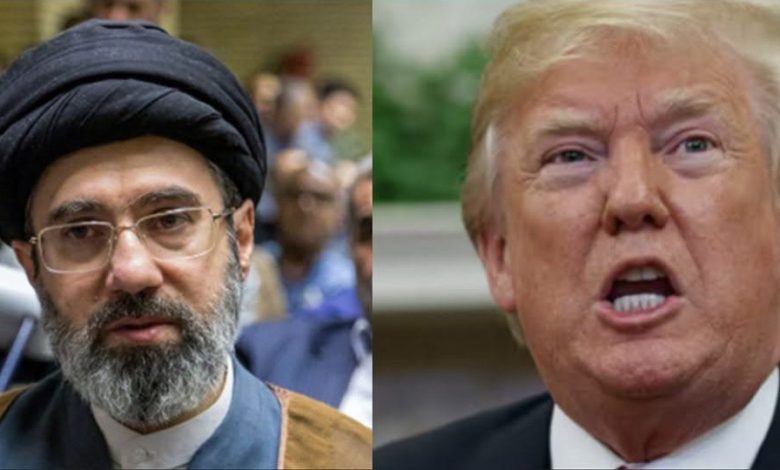
Tehran’s rulers are learning a hard lesson: American strength cannot be ignored forever. After years of threats, proxy attacks, and nuclear brinkmanship, Iran is now facing the consequences of choosing confrontation over peace.
For too long, Washington treated the Iranian regime as if more concessions would produce moderation. That approach failed. Cash relief, weak enforcement, and endless negotiations only gave Tehran more room to expand its weapons programs and support militant networks across the Middle East. The result was not stability. It was more aggression.
Now the balance has shifted. When the United States responds with force and clarity, Iran’s leaders suddenly talk about restraint, relief, and diplomacy. That is not a coincidence. Tyrannical regimes do not respect weakness. They respond to leverage.
America should not mistake pressure for recklessness. The goal is not endless war. The goal is security. Iran must understand that attacks on American interests, allies, and international shipping routes will bring serious consequences. Any agreement that simply gives Tehran time to rebuild would be a dangerous mistake.
Peace through strength is not a slogan. It is a strategy. It means negotiations should happen only from a position of power, not desperation. It means no deal should allow Iran to preserve nuclear ambitions, strengthen proxy forces, or threaten American troops and partners again.
Previous administrations showed what happens when the United States hesitates. Iran grew bolder, its proxies became more active, and the region became less stable. The current pressure campaign has changed that calculation. Tehran is feeling real costs because America finally stopped pretending that appeasement equals peace.
The message should be simple: the United States will not blink first. If Iran wants relief, it must dismantle the threats it built. If it wants diplomacy, it must prove that diplomacy is not just a pause before the next round of aggression.
American lives, regional stability, and global security depend on resolve. Half measures will only invite future conflict. Strength now may be the only thing that prevents a larger war later.