America Must Balance Religious Freedom With Peaceful Public Life
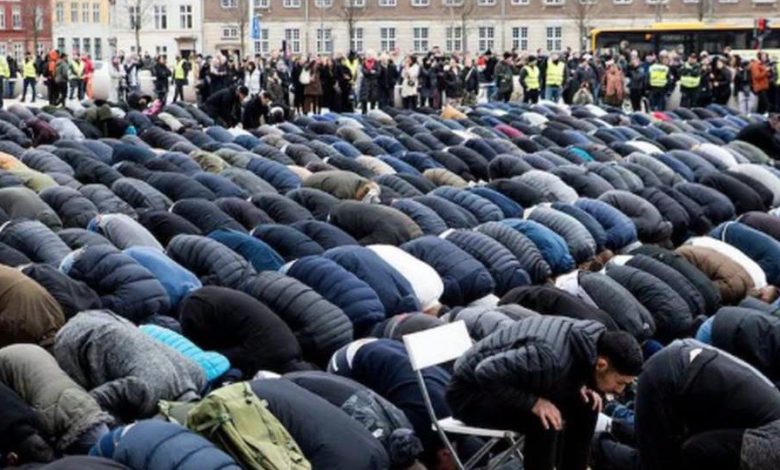
Across the United States, local communities are debating a sensitive question: how should cities balance religious expression with the right of residents to quiet, orderly neighborhoods? The issue has become especially visible when amplified religious sounds, including the Islamic call to prayer known as the adhan, are broadcast in public areas.
America’s Constitution protects freedom of religion, and that protection applies to people of every faith. Muslims, Christians, Jews, Hindus, Buddhists, and people of no faith all have the right to worship freely. But religious liberty does not mean that any group should be allowed to disturb the daily life of an entire neighborhood without limits.
The real issue is not private belief. The issue is public amplification.
Cities already regulate loud music, construction noise, sirens, church bells, public events, and commercial announcements. The same principle should apply to amplified religious broadcasts. If a sound is loud enough to affect sleep, work, school routines, or family life, then local governments have a responsibility to set clear and fair rules.
Those rules should be neutral and equal. A city should not target one religion while giving another special treatment. If church bells are limited by volume and time, the same standard should apply to the adhan. If public announcements require permits, religious broadcasts should follow the same process. Equal treatment under the law is the foundation of American fairness.
Many Americans worry that changing public soundscapes can affect the character of their neighborhoods. That concern should not be dismissed as bigotry. Communities have a legitimate interest in preserving peace, local identity, and quality of life. At the same time, those concerns must be handled carefully so they do not become hostility toward lawful citizens practicing their faith.
A responsible policy would include reasonable volume limits, restricted broadcast hours, transparent permitting, and local public input. Residents should have a voice before any recurring amplified sound becomes part of daily neighborhood life. Religious institutions should also be expected to respect the surrounding community, just as any other organization would be.
America is strongest when it protects both individual liberty and civic order. Religious freedom should remain secure, but no faith group should have unlimited authority to project sound into public space without regard for others.
The answer is not fear, division, or religious hostility. The answer is one clear standard for everyone: worship freely, respect your neighbors, and keep public spaces governed by fair laws that protect the peace of the whole community.