Viral Minnesota Child Care Clip Fuels Fresh Questions About Fraud Oversight
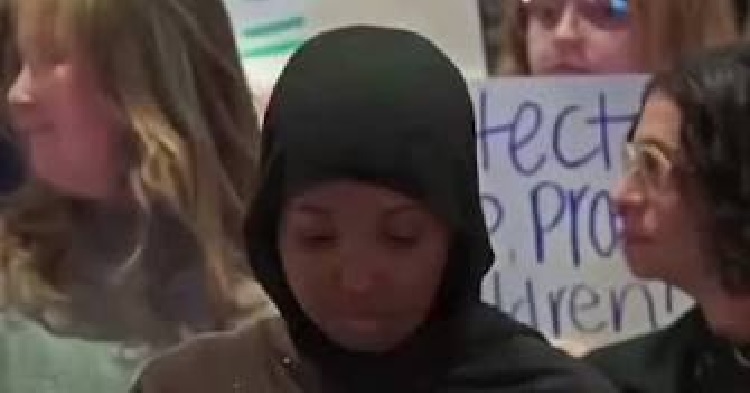
A brief and awkward moment at a Minnesota press event has gone viral, intensifying public scrutiny of the state’s child care assistance system and its ability to prevent taxpayer-funded fraud.
In the widely shared video, a woman speaking against proposed child care funding reductions reads from prepared remarks about how losing assistance could prevent her from working or attending school. When she reaches the sentence “I understand fraud is bad,” she hesitates, looks away from the script and steps back from the podium without finishing.
The clip was promoted on social media as evidence of a larger scandal. However, the woman’s hesitation alone does not establish that she committed fraud or knew about criminal activity. Its political significance comes mainly from the context in which it appeared: Minnesota is already facing intense criticism over alleged fraud involving publicly funded social-service programs.
Questions Surrounding Daycare Funding
Independent content creator Nick Shirley recently posted videos claiming that some child care centers receiving substantial government payments appeared inactive or had few visible signs of serving the number of children reported in official records.
One facility highlighted in the reporting allegedly claimed to serve 99 children while receiving approximately $4 million in public funding. The videos quickly attracted national attention and renewed demands for state and federal authorities to investigate whether taxpayer money was being improperly claimed.
The allegations remain subject to investigation, and an apparently quiet facility does not by itself prove fraud. Still, the reports have raised legitimate questions about whether regulators are conducting adequate inspections, verifying attendance records and comparing payment claims with actual services provided.
Minnesota’s Wider Fraud Problem
The controversy comes after several major fraud prosecutions involving Minnesota assistance programs.
The most prominent example is the Feeding Our Future case, in which federal prosecutors accused numerous defendants of stealing money intended to provide meals to children during the COVID-19 pandemic. Prosecutors alleged that fraudulent meal claims were used to finance personal purchases, including vehicles, real estate and other luxury expenses.
Other defendants have faced charges involving inflated reimbursement claims and falsified records. Each criminal case must be evaluated on its own evidence, and charges are not the same as convictions. Nevertheless, the scale of the allegations has exposed serious weaknesses in Minnesota’s oversight systems.
A Failure of Verification and Enforcement
The central issue is not the ethnicity or immigration background of individual defendants. It is whether government agencies created programs that distributed large amounts of money without sufficient safeguards.
Taxpayer-funded benefits require more than good intentions. They require:
- Regular and unannounced inspections
- Reliable attendance verification
- Audits of unusually large payment claims
- Cross-checking between licensing, enrollment and financial records
- Immediate suspension of payments when credible discrepancies emerge
- Criminal prosecution when evidence supports fraud charges
Government agencies also need to explain why warning signs were allegedly missed and whether officials ignored concerns because of political pressure, staffing failures or fear of appearing discriminatory.
Fraud prevention must be applied consistently. Oversight based on documented financial risk is legitimate; collective suspicion based on ethnicity is not.
Taxpayers and Legitimate Providers Pay the Price
When public assistance programs are exploited, the damage extends beyond the money stolen.
Working families may face stricter eligibility rules. Honest child care providers may be burdened with additional paperwork. Children who genuinely depend on subsidized care may lose access because public confidence has collapsed.
That is why framing the debate as a simple choice between supporting child care and opposing fraud is misleading. The public can support assistance for eligible families while also demanding strict enforcement against false claims.
Effective social programs and aggressive fraud prevention are not competing goals. They are inseparable.
Political Accountability Is Essential
The viral video has become a symbol for Americans who believe elected officials have failed to protect public funds. But meaningful reform cannot stop with a social-media clip or partisan outrage.
Minnesota officials should disclose how suspicious providers were approved, how payments were calculated, how often facilities were inspected and what corrective action was taken after irregularities were identified.
Federal and state investigators should follow the evidence wherever it leads, while ensuring that innocent people and legitimate businesses are not treated as guilty by association.
The Bottom Line
Minnesota taxpayers deserve a child care system that supports working families without becoming an easy target for organized fraud.
The viral podium moment may be embarrassing, but the real scandal—if the allegations are proven—is the possibility that government agencies continued distributing millions of dollars despite obvious warning signs.
Accountability requires verified evidence, transparent investigations and equal enforcement of the law. It also requires separating legitimate criticism of government failures from sweeping accusations against an entire immigrant community.
Public assistance can survive only when taxpayers believe the rules are real, the records are verified and fraud will be punished.