A Museum-Worthy Kitchen Classic: The Rise of the Vintage Juicer
Why Vintage Juicers Still Fascinate Us
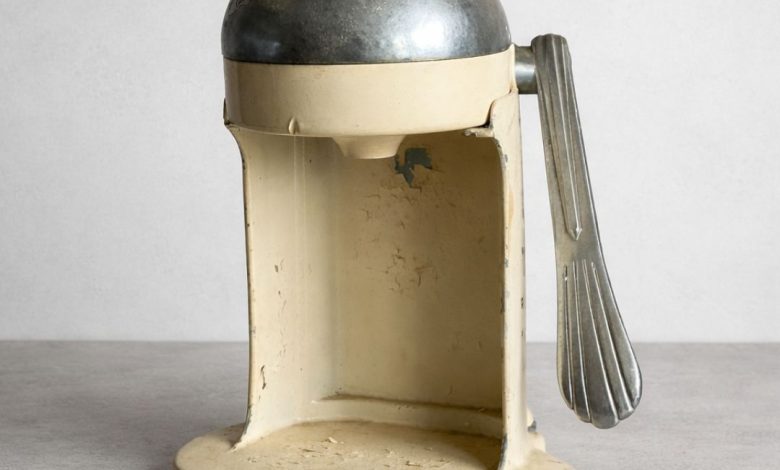
Vintage juicers are more than old kitchen tools—they’re functional collectibles that capture a time when appliances were built to last and designed with character. Many look like they belong in a museum, yet they still remind people of a simpler, hands-on approach to cooking and health.
Juicing Was Never “New”
Juicing may feel trendy today, but it has been part of food culture for centuries. What changed over time wasn’t the idea of extracting juice—it was the technology and the convenience.
The Early 20th Century: When Mechanical Juicers Took Over
The real shift happened when mechanical juicers began appearing in homes in the early 1900s. These machines made juicing more practical—and a bit more dramatic.
Key features of many early models included:
- Hand-cranked or lever-operated designs
- Tough builds using cast iron and stainless steel
- A reputation for durability—often described as “built like a tank”
- A bonus “feature” no one advertised: a serious arm workout
The “Juice King” Era and the Rise of Iconic Models
Among the most recognizable vintage designs was the “Juice King,” associated with patents dating back to the 1930s. With a sturdy build and a no-nonsense mechanism, this style became a familiar sight in many kitchens, helping define what people imagined when they heard the phrase “classic juicer.”
Electric Juicers Changed Everything
Once electricity became a kitchen standard, juicing entered a new phase: less effort, more speed, more everyday convenience. The shift wasn’t just about comfort—it changed how often people juiced and who could do it regularly.
What electric models brought to the table:
- Minimal arm effort compared to hand-crank machines
- Faster routine use—better for busy mornings
- The beginning of “push-button” convenience in home juicing
Brands often associated with this movement included Champion and Norwalk, helping popularize electric juicing and making it far more accessible to everyday households.
Why People Still Love Vintage Juicers Today
Even with modern juicers offering sleek design and advanced features, vintage models still hold their appeal because they deliver something today’s appliances often lack: presence.
People are drawn to them for:
- Nostalgia—they feel like a connection to earlier generations
- Aesthetic charm—they look like functional sculpture
- Durability—many were designed to survive decades of use
- Experience—the process feels hands-on, intentional, and satisfying
Conclusion: Old Machines, Fresh Appreciation
Vintage juicers prove that kitchen history isn’t just something we read about—it’s something we can still hold, use, and admire. From hand-cranked powerhouses to early electric icons, these classic machines show how innovation reshaped daily life—while leaving behind designs that still make people smile every time they spot one on a countertop.