America Owes Its Seniors More Than Empty Promises
America’s seniors did not ask for handouts. They worked, paid taxes, raised families, served communities, and helped build the country we live in today. Yet too many retirees are now being forced to stretch Social Security checks across rent, groceries, utilities, prescriptions, and medical bills that keep rising faster than peace of mind.
In January 2026, the Social Security Administration estimated the average monthly retirement benefit at about $2,071 after the 2.8% cost-of-living adjustment. For many seniors, that is not comfort. It is survival math.
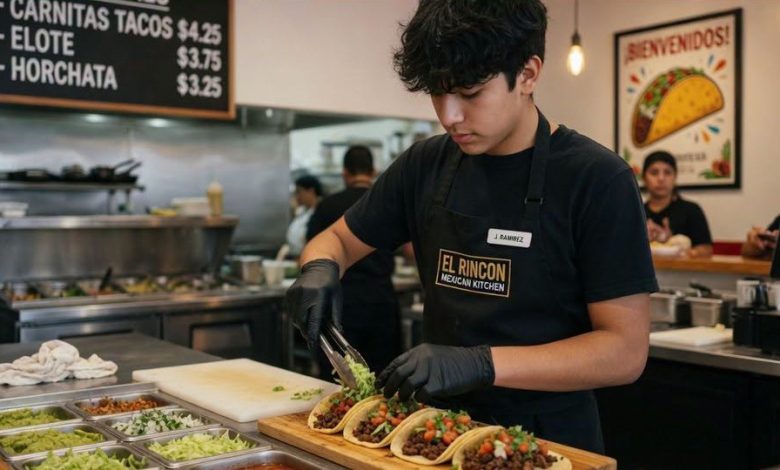
At the same time, some states are pushing wage floors far above the federal baseline. California, for example, requires covered fast-food workers to earn at least $20 an hour, while the federal minimum wage remains $7.25 an hour for covered nonexempt workers. That means a full-time $20-an-hour job can bring in roughly $800 a week before taxes—a figure that naturally raises questions for retirees watching their fixed incomes lose buying power year after year.
This is not about attacking young workers. Teenagers and entry-level employees deserve fair treatment too. But Washington has become far too comfortable ignoring the people who already spent a lifetime contributing to the system. A nation that rewards new political slogans while neglecting retired workers has its priorities backward.
The real issue is not one worker versus another. It is a broken political class that keeps promising compassion while seniors choose between medicine, groceries, heating bills, and housing costs. Politicians find money for bloated programs, foreign aid packages, bureaucratic expansion, and campaign-friendly spending—but somehow, when seniors ask for dignity, Washington suddenly becomes worried about budgets.
Social Security should not be treated like an afterthought. It is funded by generations of workers who were told that if they paid into the system, the system would be there for them. That promise must mean more than small adjustments that barely keep up with real-life costs.
America needs a serious senior-first agenda: protect Social Security, cut wasteful federal spending, secure the programs seniors depend on, and make sure minimum benefits reflect the dignity of a lifetime of work. We should also stop pretending inflation is just an economic chart. For retirees, inflation is the difference between filling a prescription and leaving it at the pharmacy counter.
Our parents and grandparents built this country with discipline, sacrifice, and faith in the American promise. They deserve more than applause on holidays and excuses the rest of the year.
A strong nation does not forget its elders. A moral nation does not leave them behind. And a responsible government puts seniors’ security ahead of political games.
It is time for Washington to remember who built America—and finally treat them like it.