Bear Caesar’s Long Road to Freedom After Years in a “Torture Vest”
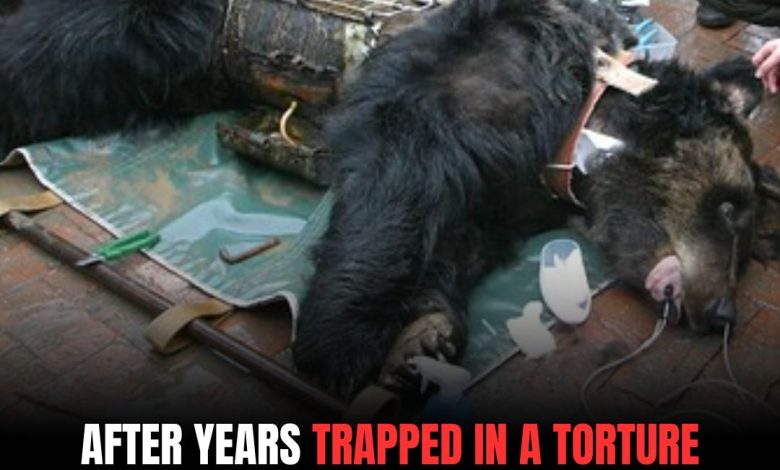
Bears are widely recognized for their strength and intelligence, yet Caesar—a brown bear in China—spent years in captivity under extreme cruelty before finally being rescued and given a chance to live more naturally. Her story, shared by animal advocates, has become a powerful example of both animal suffering in bile-farming facilities and the life-changing impact of rescue and long-term care.
A Life Defined by Captivity
For a significant part of her early life, Caesar lived on a farm in China connected to the production of ingredients used for traditional medicine. She was kept in a cramped, restrictive space and subjected to continuous bile-extraction practices. Animal advocates described her situation as “hell on earth,” emphasizing that she had little room to move and no meaningful quality of life.
What made Caesar’s case especially disturbing was the device she was forced to wear: a restrictive metal “vest” designed to keep bile-extraction equipment in place. The setup was described as one of the harshest forms of abuse used in the bile industry.
What the “Torture Vest” Was
Reports describe the “torture vest” as a rigid metal apparatus strapped around the bear’s body to restrain movement and prevent the bear from interfering with the extraction equipment. In practical terms, it functioned as both physical restraint and enforcement mechanism, keeping Caesar trapped in a cycle of ongoing exploitation.
Key details described in the account include:
- A restrictive metal vest designed to hold extraction equipment in place
- Confinement in a small space where she could barely move
- Continuous bile extraction connected to the traditional medicine supply chain
The Turning Point: Rescue in 2004
Caesar’s situation changed in 2004, when she was rescued by Animals Asia—an organization known for bear welfare and sanctuary work. The rescue was described as urgent and emotionally intense: by the time help arrived, Caesar was reported to be distressed, physically harmed, and deeply affected by long-term confinement.
After the rescue, she was taken into professional care and began a long recovery process focused on safety, rehabilitation, and behavior reconditioning—the kind of support captive wild animals often need after years of chronic stress.
Recovery and a New Life at a Sanctuary
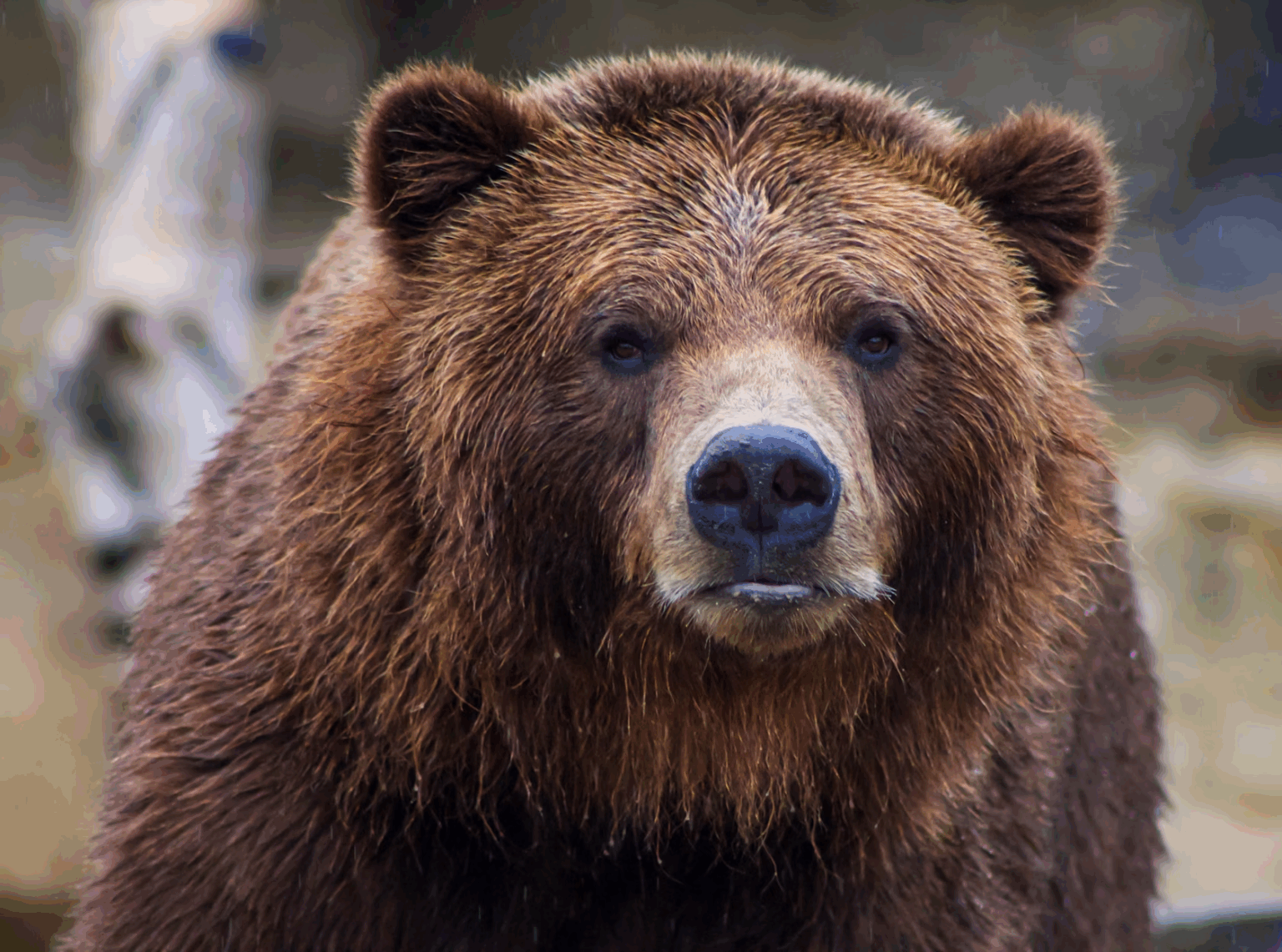
Caesar’s rehabilitation took place at Animals Asia’s Chengdu sanctuary, where caretakers reported that she gradually transformed into a healthier, stronger bear. Over time, her appearance and behavior changed dramatically—an outward sign of what consistent veterinary support, better nutrition, and enriched habitat can do for a wild animal recovering from captivity.
The accounts emphasize that she eventually became:
- Stronger and more physically robust
- Described as having a radiant coat and a more “majestic” presence
- Able to engage in natural bear behaviors again
One reported detail that underscored her recovery was her size and condition later on: she was described as an exceptionally powerful bear, with reports noting a weight in the high hundreds of pounds (around 271 kg in one account, and 300 kg in another)—a sign of how different her health looked compared with her captive years.
What Freedom Looked Like for Caesar
After years without normal movement or stimulation, Caesar reportedly took special joy in simple, natural behaviors—things most wild bears do instinctively but that captivity can deny.
Caretakers and advocates highlighted her favorite activities as:
- Swimming and spending time in the water
- Sunbathing outdoors
- Digging, especially when the weather cooled
These details mattered because they showed something bigger than “a rescued animal doing cute things.” They showed a wild creature regaining autonomy—choosing where to go, what to do, and how to spend her day.
The Wider Reality: Thousands of Bears Still Confined
Caesar’s rescue was celebrated, but advocates stressed it was also a reminder of the scale of the problem. Reports cited an estimate of around 10,000 bears still confined in China in connection to the bile trade.
There was also a critical legal point mentioned: metal “jackets” like Caesar’s vest have been made illegal, meaning they are believed to be less common than before—yet advocates warned they may still exist in some places.
A Sad Update: The Lasting Impact of Past Abuse
Even after rescue and years of improved living conditions, the story notes a tragic reality seen in many long-term cruelty cases: damage from earlier abuse can surface later.
According to the report, Caesar later developed an aggressive tumor—described as a consequence linked to the long-term harm caused by repeated bile-extraction practices. She died not long after the tumor was discovered, leaving caretakers grieving and reinforcing the message that rescue is essential, but it cannot always erase the physical cost of prolonged cruelty.
Why Caesar’s Story Still Matters
Caesar’s life became a symbol of two truths that can exist at the same time:
- Cruelty can be systematic, normalized, and hidden behind supply chains and industries.
- Rescue and sanctuary care can still restore dignity, comfort, and meaningful life—even after years of suffering.
Her story remains a call to pay attention, support credible welfare work, and keep public pressure on practices that exploit animals for profit.