Bullied for His Appearance, He Became a Global Advocate for Visible Difference
Adam Pearson’s Story: Strength, Visibility, and the Power to Rewrite Your Life

Some people spend years worrying about everyday inconveniences: a slow commute, an awkward conversation, a disappointing meal. Then you hear a story like Adam Pearson’s—and it shifts your perspective.
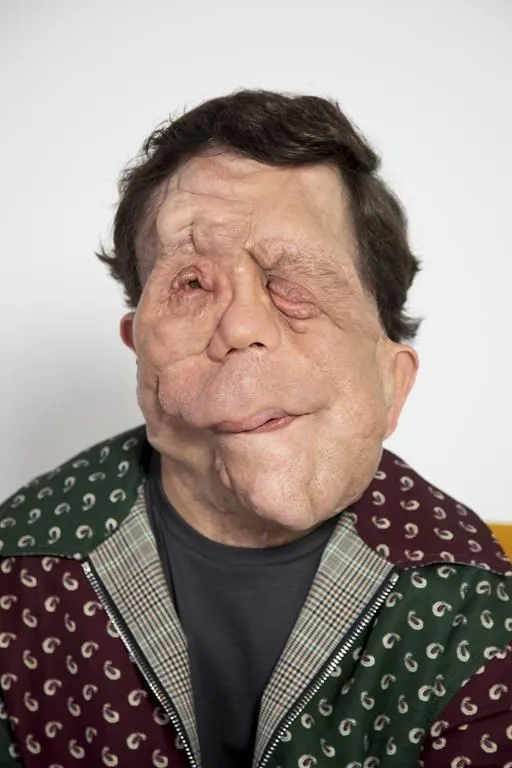
Diagnosed with neurofibromatosis as a child, Adam developed benign tumors that visibly changed his face. As his appearance transformed, so did the way others treated him—often with cruelty. Instead of letting bullying define his identity, Adam chose a different path: confidence over shame, purpose over bitterness, and visibility over hiding.
Today, he is widely recognized as an actor and advocate who challenges discrimination against people with visible differences, proving that a meaningful life is not built on “perfection,” but on resilience, self-respect, and impact.
Who Is Adam Pearson?
Adam Pearson is known for two things that rarely get discussed together in the media: a visible facial difference and a public career built on authenticity. Rather than being pushed into the background or treated as a “symbol,” he has insisted on being seen as a whole person—talented, ambitious, and complex.
Over time, Adam has:
- Worked in film and television, including a high-profile role in Under the Skin
- Spoken publicly about discrimination and representation, including TED-style talks
- Appeared on major programs (such as Celebrity MasterChef)
- Built a platform that advocates for dignity and equal treatment for people with visible differences
Understanding Neurofibromatosis in Simple Terms
Neurofibromatosis is a genetic condition that can cause tumors to grow on nerve tissue. These tumors are often benign, but they can still have serious effects—especially when they affect appearance, vision, hearing, or daily comfort.
In Adam’s case, the condition became noticeable in childhood when a bump on the head didn’t go away, leading doctors to investigate further. Importantly, the accident did not “cause” the condition; rather, it helped reveal an underlying genetic disorder that was already present.
Key facts to know:
- It is genetic, meaning it can run in families
- Tumors are often benign, but they can still create medical and emotional challenges
- Severity can vary widely, even between relatives
- Adam’s twin brother, Neil, has the condition too, but in a much milder form
When Appearance Changes, People’s Behavior Often Changes Too
One of the hardest truths in Adam’s story is not the diagnosis itself—it’s how others responded to it.
As a child, Adam faced:
- Bullying and taunting
- Cruel nicknames and social exclusion
- The exhausting feeling of being treated as “less than” because of how he looked
This kind of cruelty can shape a person’s self-image for life. Many people internalize the message: “If I looked different, I’d be treated better.” Adam made a different decision. He promised himself something that would become the foundation of his adulthood:
He would not let other people’s ignorance determine his worth.
That mindset did not erase pain—but it gave him direction.
The Medical Reality: Dozens of Surgeries and Ongoing Challenges
Adam’s journey has included many surgeries over the years. Procedures can be physically demanding, emotionally draining, and repetitive—especially when the goal is not only medical stability but also functional comfort and quality of life.
Even so, Adam has repeatedly emphasized a message many people need to hear:
Your value is not measured by how closely you match a beauty standard.
Instead of chasing approval, he challenges society to expand its definitions of:
- Beauty
- Representation
- Normalcy
- Human worth
The Career Breakthrough That Shifted the Conversation
Adam’s global breakthrough came when he was cast alongside Scarlett Johansson in Under the Skin. The role drew significant attention not just because of the film, but because it highlighted a larger issue:
Authentic representation matters.
When people with visible differences or disabilities are excluded from meaningful roles—or only used as stereotypes—society learns the wrong lessons. Adam’s presence in major projects pushed back against that, showing audiences someone who is not reduced to a “before-and-after” story, a punchline, or a tragedy.
What Adam Advocates For Today
Adam has used his visibility to speak directly about discrimination—especially the kind that hides behind phrases like “just being honest” or “it’s only a joke.” His work challenges a deeply rooted social habit: judging character and competence based on appearance.
His advocacy often centers on:
- Challenging lookism (bias based on appearance)
- Better media representation that treats disabled people as fully human
- Respectful language and behavior in public spaces and online
- Encouraging people with visible differences to build confidence without apology
He has also been recognized on UK lists highlighting influential disabled public figures—another sign that his impact goes beyond entertainment.
“Genetically Awesome”: The Message Behind the Quote
One of the most memorable lines associated with Adam is his proud, optimistic framing of identity. He has said that if he becomes a parent, his children—whether they inherit the condition or not—will grow up knowing they are loved and supported, and, in his words, “genetically awesome.”
That phrase matters because it flips the usual narrative.
Instead of:
- “Something is wrong with you.”
It becomes: - “You are worthy from the start.”
That mindset is not denial. It is leadership.
What We Can Learn From Adam Pearson’s Story
Adam’s life is not a motivational poster. It’s a real story about real hardship—and real choice. The lesson is not that pain disappears if you “stay positive.” The lesson is that people can build strength even when the world is unkind.
Takeaways worth remembering:
- Other people’s cruelty is not a verdict on your value.
- Confidence is not arrogance; it is self-protection and self-respect.
- Representation is not “politics”—it is who gets to be seen as human.
- A meaningful life is built on purpose, resilience, and relationships, not flawless appearance.
How to Treat People With Visible Differences Better (Practical, Everyday Actions)
If you want to be part of a kinder world, it often comes down to small choices:
- Don’t stare. If you notice, notice quietly and move on.
- Don’t ask invasive questions. Curiosity is not an entitlement.
- Don’t make jokes about appearance. Even “light” jokes can reinforce deep harm.
- Speak up when someone is mocked. Silence protects the bully, not the target.
- Teach kids respect early. Children learn fast—especially from adult behavior.
Conclusion
Adam Pearson’s story is a reminder that life can be unfair—and still meaningful. He has faced bullying, surgeries, and constant public scrutiny. Yet he chose to become visible, vocal, and unapologetically himself.
In a world that often mistakes appearance for value, Adam’s life delivers a clear message:
Worth is not something you earn by looking “acceptable.” Worth is something you already have—and something you can defend with courage.