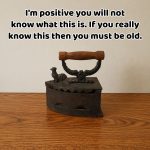
Clearing out the attic and found this heavy metal base covered in sharp spikes. It’s rusted and looks dangerous.
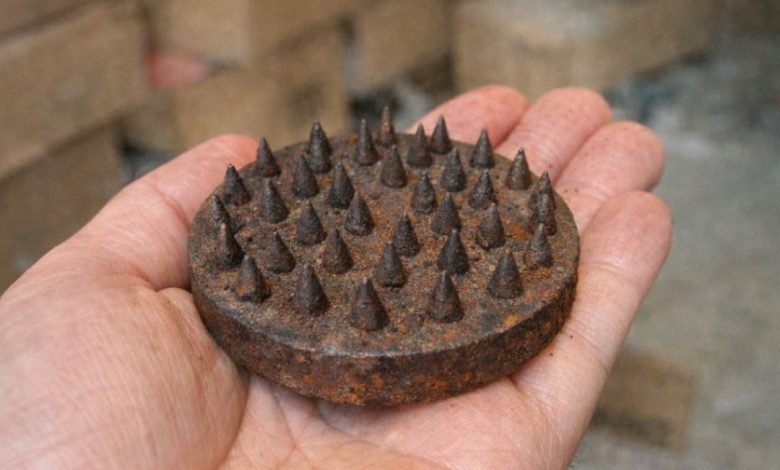
Cleaning out an attic can uncover all kinds of strange surprises, but few things are as unsettling as finding a heavy rusted metal object covered in sharp spikes. At first glance, it might look like part of an old machine, a dangerous trap, or even something from a different era entirely. Its rough surface, weight, and pointed spikes can make it seem far more threatening than it really is.
In many cases, though, an object like this turns out to be something much more ordinary: a vintage flower frog. Once widely used in floral arranging, these sturdy metal tools helped hold flower stems in place inside vases and bowls long before floral foam became common. What looks alarming today was once a practical household item.
Why the object seems dangerous at first
A rusted item with exposed spikes should always be handled carefully. The sharp points can easily puncture skin, and any old metal object found in storage should be treated with caution. Thick gloves are a smart first step, especially if the piece has been sitting untouched for years in a dusty attic or shed.
The biggest risk usually comes from accidental handling, not from the object itself being designed as a weapon. If children or pets are nearby, it is best to place it somewhere secure until you know exactly what it is. Even if the item turns out to be harmless in purpose, its sharp points and rusted surface still make it unsafe to leave lying around.
What a vintage flower frog actually is
A flower frog is a tool that was commonly used to support flowers in decorative arrangements. The metal version often has a solid round base with a cluster of evenly spaced spikes rising from the top. Florists and home decorators would press flower stems onto those pins to keep blooms upright and arranged exactly where they wanted them.
These tools were especially popular in the early and mid-20th century. Before modern floral supplies became widely available, flower frogs gave people a reliable way to build more structured and attractive bouquets. Their designs varied, but the spiked metal style is one of the most recognizable forms.
How people used them in floral arrangements
Flower frogs made it easier to control the shape and balance of an arrangement. Instead of letting stems float loosely in water, users could secure each one in place. This helped flowers stay upright and allowed for more detailed, carefully planned displays.
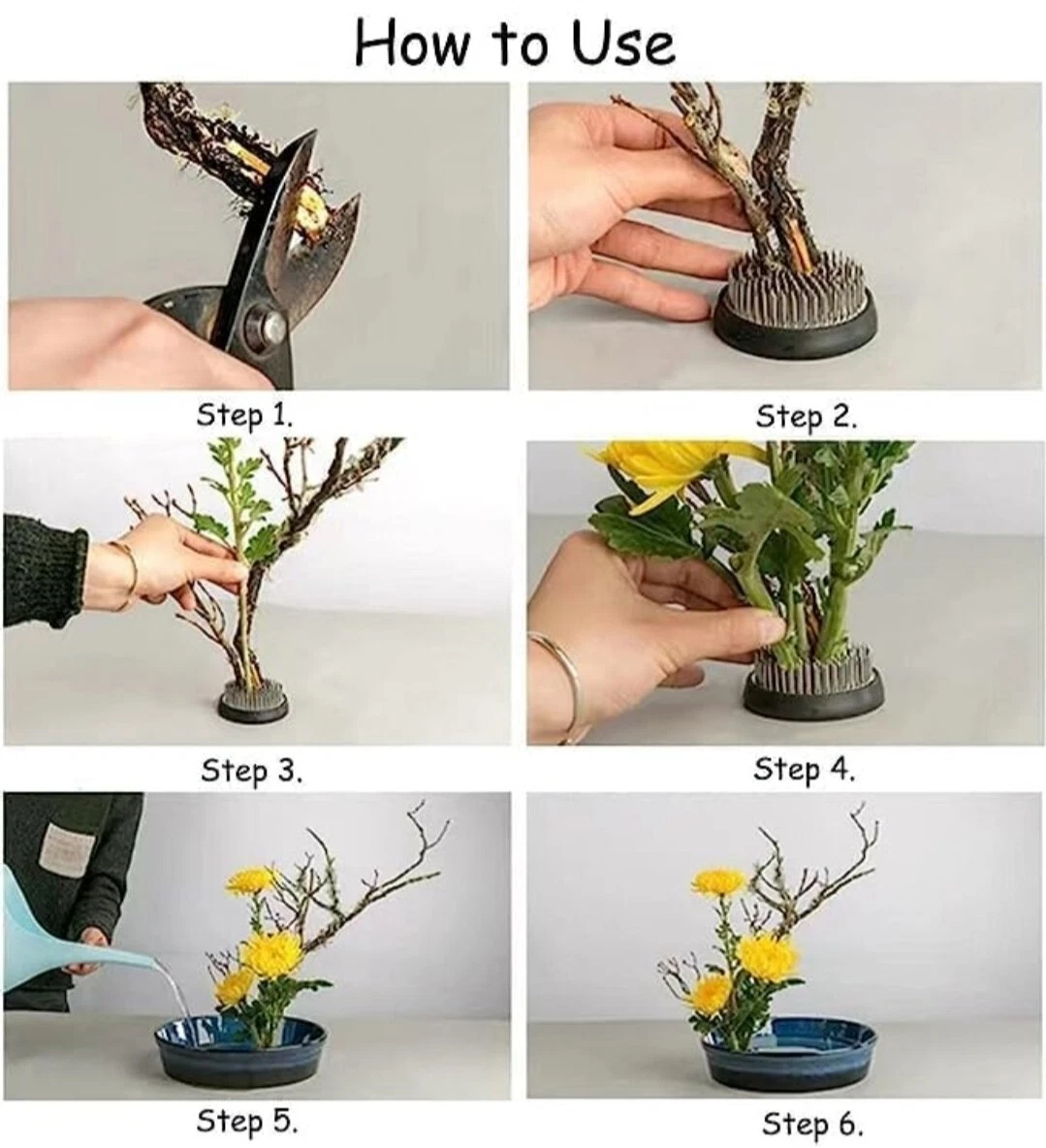
That precision made flower frogs especially useful for formal centerpieces or decorative table arrangements. A strong metal base kept everything stable, while the spikes allowed stems to be placed at different angles. For anyone serious about floral design, these were once essential tools.
How to tell whether it is really a flower frog
Several features can help identify the object. A likely flower frog will usually have an evenly spaced pattern of spikes, a heavy base, and a practical design focused more on function than decoration. The underside may be flat or slightly rounded so it can sit securely inside a container.
It is also worth checking for maker’s marks, stamped names, or manufacturing details. These clues can help confirm that the piece was intended for floral use. If the object lacks bolts, moving parts, or mounting hardware, that is another sign it may not be industrial equipment at all.
What else it could be
Although flower frogs are a common explanation, there are other possibilities. Some old metal parts from machinery or workshop equipment can also look strange when separated from the rest of the device. Decorative metal pieces or antique tool parts may occasionally resemble them as well.
The difference is usually in the design. Industrial parts often include attachment points, threads, or mechanical features, while decorative pieces usually show more ornamental styling. A flower frog tends to be simple, compact, and clearly meant to hold stems rather than connect to anything else.
How to estimate its age
The age of a flower frog can often be guessed by looking at its weight, metal type, condition, and construction style. Older pieces were often made from heavier materials such as cast iron or lead-based metal, giving them a dense, substantial feel. Newer examples may be lighter and more uniform in appearance.
Rust alone does not prove age, but heavy corrosion can suggest the item has been around for decades. If the piece has a distinctive old-fashioned shape or a recognizable maker’s stamp, that can also provide clues about when it was made.
What a vintage flower frog may be worth
Collectors still buy vintage flower frogs, especially examples with unusual forms, solid construction, or identifiable manufacturers. The value depends largely on condition, rarity, age, and visual appeal. A heavily rusted common example may have only modest value, while a rare or well-preserved piece can be much more desirable.
In general, older, heavier, and more distinctive flower frogs tend to attract more interest. Collectors often appreciate them not only as floral tools but also as decorative antiques with a strong historical feel.
How to handle it safely
If you believe you have found a flower frog, treat it carefully until it has been cleaned and examined. Wear thick gloves, keep it off surfaces that could be scratched, and store it where no one will brush against it by accident. A shallow box or padded container works well for temporary storage.
If the spikes are extremely sharp, some people choose to protect them with caps or wrap the piece when not in use. Safety matters more than display value, especially if the object is in rough condition.
How to clean a rusted flower frog
Cleaning should be done gently. Start by removing loose rust with a soft wire brush or similar tool. For deeper rust, some people use a mild soaking method, followed by careful scrubbing. The goal is to remove surface corrosion without damaging the metal underneath.
Once cleaned, the piece should be dried completely. To help slow future rusting, a light protective coating can be applied. Any restoration should be done with care, since aggressive cleaning may reduce both its appearance and collectible value.
Creative ways to reuse it today
Even if you never plan to arrange flowers, a vintage flower frog can still be a striking decorative item. Many people display them in bookshelves, curio cabinets, craft rooms, or vintage-inspired interiors. Their unusual shape makes them an easy conversation starter.
Some also repurpose them in practical ways, using them to hold pencils, small tools, notes, or art supplies. Their industrial look fits well with rustic, farmhouse, or antique decor styles.
When it is better to throw it away
Not every old object is worth saving. If the metal is seriously corroded, crumbling, bent, or broken, it may no longer be safe to keep. A piece with damaged spikes or unstable metal can become more hazard than treasure.
When the structure is beyond repair, disposal may be the smartest option. In that case, recycling the metal through an appropriate local service is usually the most responsible way to get rid of it.
The bottom line
That rusted spiked object from the attic may look alarming, but there is a good chance it is simply a vintage flower frog, a once-common tool from the world of floral arranging. With careful handling and a closer look, what first seemed dangerous or mysterious may turn out to be a small piece of household history.
And in the world of antiques, that is often how the best discoveries begin: with something odd, overlooked, and unexpectedly fascinating.