Couple With Dwarfism Builds a Family of Five Despite Intense Public Scrutiny
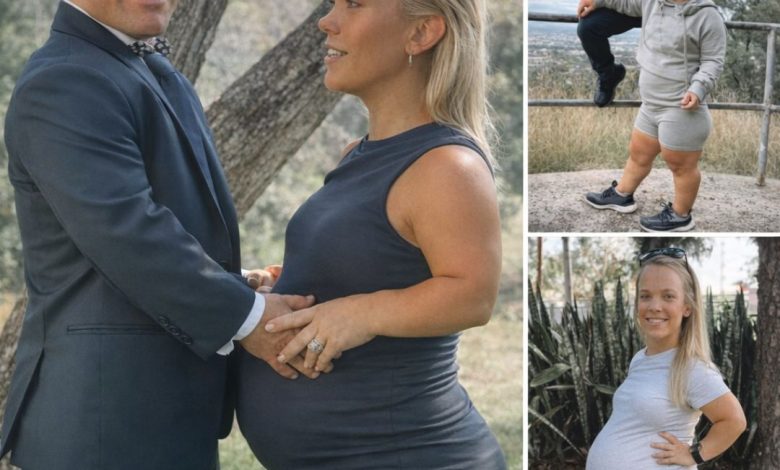
For many newlyweds, the questions start almost immediately: When are you having a baby? Then, once a child arrives, the follow-up comes just as fast: When is the next one? For Charli Worgan and her husband Cullen, those questions didn’t just feel intrusive—they turned into criticism and judgment from strangers, simply because both parents have different forms of dwarfism and chose to have children.
A Private Family Choice Turned Public
Charli and Cullen, a couple from Australia, found that their decision to become parents attracted a level of attention many families never face. The article describes how, when Charli announced the birth of their first daughter on Instagram, she did not expect that her family life would become a topic of debate for people who had never met them.
Over time, the scrutiny only increased—especially when Charli later shared details about her pregnancies online, including the medical steps involved and the emotional weight of planning a family with known genetic risks.
Why Their Pregnancies Came With Higher Medical Stakes
Because Charli and Cullen have different forms of dwarfism, each pregnancy carried multiple possible outcomes, including:
- A child inheriting Charli’s form of dwarfism
- A child inheriting Cullen’s form of dwarfism
- A child being of average height
- A child inheriting both forms, which the article notes doctors warned could be fatal
This meant their family planning wasn’t casual or simple—it involved careful monitoring, specialist input, and difficult conversations about worst-case scenarios.
The Genetic Testing Charli Underwent and Why It Mattered
When Charli became pregnant with their third child, she shared that the pregnancy involved significant medical procedures, including genetic testing intended to clarify whether the baby had inherited one form of dwarfism, neither, or both.
A central test described in the article is Chorionic Villus Sampling (CVS), performed around 12 weeks of pregnancy. Charli explained that CVS involves collecting a placenta sample and carries a miscarriage risk (noted as 2% in the article).
In practical terms, this meant that while many parents use the 12-week point to happily announce a pregnancy, Charli was facing a far more complicated milestone—one tied to uncertainty, risk, and high-pressure decision-making.
Their Children: What the Article Says About the Family
The story identifies Charli and Cullen’s children as:
- Tully (daughter) — described as having dwarfism
- Tilba (daughter) — described as having dwarfism
- Rip (baby) — the article states he was born in February and is thriving
The article frames the family’s story as one of resilience—pushing back against assumptions that people with dwarfism should not become parents, and highlighting how their reality includes both joy and serious medical complexity.
What Critics Missed: “No Simple Decision”
A key point in the article is that Charli says she received criticism for choosing to have children “with these odds.” Her response, as presented, is not about seeking sympathy—it’s about reminding people that:
- The decision involved real medical risk
- The process required painful procedures
- The goal of sharing was to encourage kindness and understanding, not debate
The article also presents her broader message about motherhood as rejecting the idea that there is one “right” way to be a parent, especially when outsiders lack context for what a family is navigating behind the scenes.
Key Takeaways From Their Story
- Charli Worgan and Cullen are an Australian couple where both parents have different forms of dwarfism.
- Each pregnancy carried multiple outcomes, including a severe outcome doctors described as potentially fatal if the baby inherited both forms.
- Charli described undergoing CVS genetic testing at around 12 weeks, which the article notes carried a 2% miscarriage risk.
- Their daughters Tully and Tilba are described as having dwarfism, and their baby Rip is described as thriving.
- The story emphasizes that their family-building journey was deliberate, medically complex, and emotionally demanding, not something to be reduced to casual opinions online.
A Broader Point the Story Leaves With Readers
Beyond the family’s personal milestones, the article highlights a simple but important reality: reproductive choices are deeply personal, and when a family faces higher medical complexity, the need for empathy becomes even greater.
Charli and Cullen’s story, as presented, is ultimately about two parents choosing to build the life they wanted—while navigating risks many people never have to consider—and asking the public to replace judgment with basic respect.