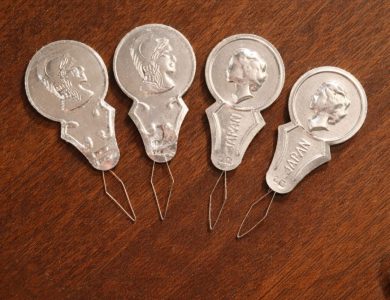
Despite widespread effort online, no one could figure out what this is. I’m uncertain myself, and 50% of people are in the same boat.
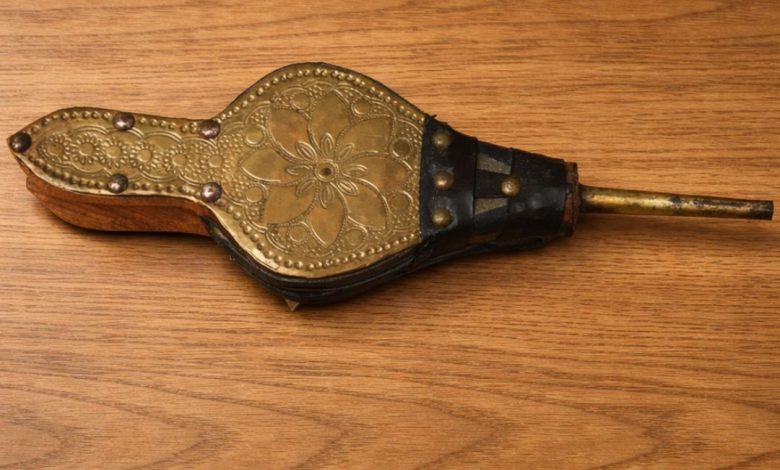
If you’ve ever seen an old fireplace tool shaped like a flat paddle with a leather body and a metal tube, you were likely looking at a hand bellows. The object in the photo is a decorative fireplace bellows, designed to push a focused stream of air into a fire to help it burn hotter and more evenly.
What This Object Is
A fireplace (hand) bellows is a manual air pump used to boost oxygen to burning wood or coal. By forcing air into the base of the flames, it helps the fire ignite faster, recover after fading, and produce stronger heat.
Key Parts You Can See in the Photo
- Embossed brass faceplate with a floral design: adds durability and decorative appeal while protecting the surface.
- Wooden body/frames: provides structure and a comfortable grip.
- Leather “accordion” section (black): expands and compresses to move air.
- Rivets/studs: reinforce the leather-to-frame joints where stress is highest.
- Metal nozzle/tube: directs air precisely into the fire or toward hot coals.
How a Bellows Works (Simple Explanation)
- You pull and squeeze the bellows by hand.
- The leather chamber expands, drawing air in.
- When you compress it, air is forced out through the metal nozzle.
- That extra oxygen helps fuel combustion, making the fire burn brighter and hotter.
Where It Was Commonly Used
- Home fireplaces (wood- and coal-burning)
- Wood stoves and traditional heating setups
- Workshops and small forges (light-duty air boosting, not heavy industrial use)
Why Many Bellows Look Decorative
Bellows were often kept near the hearth, visible in the living space. Makers added ornamental brass panels and patterns so the tool looked like part of the room’s décor, not just a utility item.
How to Tell If It’s Older or More Modern
While exact dating requires closer inspection, these clues can help:
- Hand-finished brass embossing and older-style rivets often suggest traditional craftsmanship.
- Natural wear on the nozzle and edges can indicate long-term use.
- Leather condition matters: older bellows may show dryness, cracking, or repairs.
Care Tips to Keep It in Good Condition
- Keep it in a dry place to prevent leather cracking and metal corrosion.
- Avoid heat exposure when storing (don’t leave it pressed against a hot hearth).
- Dust gently; if needed, use a soft cloth on brass and wood.
- If the leather is stiff or cracking, consult a restoration professional before applying conditioners.
Why People Still Buy and Collect Them
- Practical function for fireplaces and stoves
- Vintage home décor with a strong “old-world” look
- Craftsmanship and materials (brass, leather, hardwood) that feel substantial and lasting