Do you know what these are?
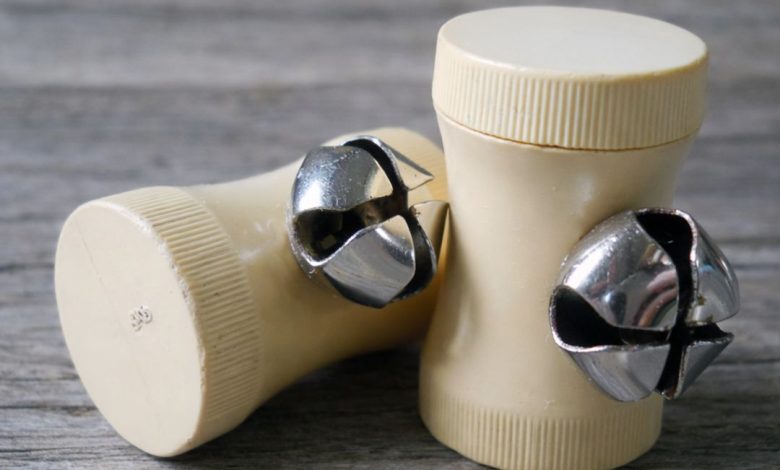
If you’ve ever watched a toddler take three steps and then trip over untied laces, you already understand the problem this small gadget was designed to solve. The item shown in the photo is commonly sold and described as “Lace Keepers”—also labeled as baby shoelace locks, shoelace holders, or lace tie keepers. It’s a simple, old-school accessory that helped parents keep children’s shoe laces tied, tucked away, and out of danger.
What is it called?
These accessories are most often known as Lace Keepers. You may also see them listed under names like:
- Baby Shoelace Locks
- Shoe Lace Holder / Lace Holder
- Lace Keep Tie (Baby)
- Shoelace Keeper
No matter the label, the purpose is the same: control the loose lace ends and keep the knot secure.
When did Lace Keepers first appear?
While exact first-release dates vary by brand and manufacturer, most surviving examples like the ones pictured are associated with the mid-20th century, especially the 1950s through the 1970s, when small plastic “problem-solver” accessories for everyday life were widely marketed in the U.S.
They started fading from everyday use as kids’ footwear shifted toward easier closures like Velcro straps (which became common later) and elastic “no-tie” solutions.
Key timeframe to remember: Most Lace Keepers people find today are mid-century accessories (roughly 1950s–1970s).
What were Lace Keepers used for?
Lace Keepers were designed for children—especially babies and toddlers—who wore lace-up shoes. Their main jobs were:
- Prevent laces from coming undone
- Hide and secure the tied bow and lace ends
- Reduce tripping risk by keeping loose laces contained
- Keep laces cleaner by preventing the ends from dragging on the ground
- Make shoes look neater by removing the dangling bow from view
In short, the core function was safety + convenience + a tidy look.
How did they work?
Most Lace Keepers have two main parts:
- A plastic capsule-like body (often beige, white, or pastel) that acts like a cover
- A metal clip or locking piece that grips or anchors onto the laces
Typical use looked like this:
- You’d tie the shoe normally.
- Then you’d gather the bow and lace ends.
- Next, you’d tuck the tied laces into the plastic keeper.
- Finally, the keeper would clip onto the lace area so the bundle stayed contained.
The result: no floppy bow, no dragging lace ends, and fewer re-tying moments during the day.
Why parents liked them
For parents, Lace Keepers were a practical win because toddlers are constantly moving, and shoelaces can loosen easily. These little locks helped reduce daily hassle—especially for:
- Busy errands
- Church or family events (where “neat shoes” mattered)
- Outdoor play (where laces got dirty fast)
The biggest selling point was simple: they helped keep kids from tripping over their own laces.
Why you don’t see them much anymore
Lace Keepers didn’t disappear because the idea was bad—they disappeared because shoes changed. Over time, children’s footwear moved toward:
- Velcro closures
- Slip-ons
- Elastic laces
- One-pull lace toggles on athletic shoes
Those newer designs offered the same convenience without needing an extra add-on.
The takeaway
Lace Keepers are a classic example of a vintage household solution: small, simple, and built for a very real everyday problem. The ones shown here are best understood as:
- Name: Lace Keepers (baby shoelace locks / lace holders)
- Era: Most commonly mid-century, about the 1950s–1970s
- Purpose: Keep children’s laces tied, tucked, clean, and out of the way to reduce tripping
In other words, they were the “parent hack” of their time—before modern kids’ shoes made laces optional.