Doctor Warns About Kissing the Deceased: The Health Risks People Often Don’t Consider
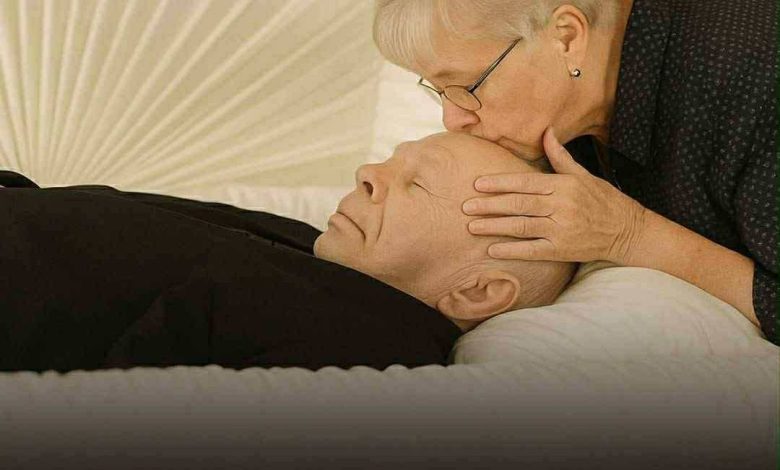
A recent online debate has reignited a difficult question many families face in moments of grief: is it safe to kiss a loved one after they have passed away? The discussion gained momentum after a Moldovan physician, Dr. Viktor Ivanovik, shared a video urging people to think twice about the practice—especially when emotions are running high and “one last goodbye” feels irresistible.
Why the topic went viral
In the article, Dr. Ivanovik acknowledges that kissing the deceased can be a meaningful cultural or personal ritual—a final act of love and respect—but argues that people should understand the potential health downsides before they do it. The video sparked divided reactions online, with some saying they would do it again regardless, while others said the warning made them reconsider.
What the doctor claimed could go wrong
Dr. Ivanovik’s key warning is that, as time passes after death, the body naturally begins to change and microbes can multiply and spread on surfaces, potentially increasing exposure risk for someone who kisses the body. In the article, he suggests that this process becomes a concern within hours and that kissing may create a direct route of exposure.
He also highlighted a less-discussed issue: the sensory impact. Some people report that the smell associated with viewing or touching a body can linger in memory and feel distressing afterward, complicating the grieving process.
What public-health guidance says about infection risk
Medical guidance generally draws an important distinction:
- For the general public, the risk from a dead body is usually negligible unless the person died from a highly infectious disease (for example, certain hemorrhagic fevers or cholera in specific contexts).
- Risk increases for people who handle bodies, particularly if there is contact with bodily fluids or situations that could expose the mouth, nose, eyes, or broken skin.
A crucial nuance is that the smell itself is not typically a health hazard in a well-ventilated space—though it can be emotionally upsetting.
Why kissing can be riskier than other forms of contact
A kiss—especially near the mouth—matters medically because it involves mucous membranes, which are more vulnerable than intact skin. The concern is not “mystery toxins,” but basic exposure pathways:
- Mouth, nose, and eyes are easy entry points for pathogens.
- Even small amounts of fluid (saliva, respiratory secretions, or other moisture) can raise risk if an infectious disease was involved.
- If the body has been moved, handled, or underwent certain procedures, unexpected fluid contact can occur.
Public health sources note that transmission risk for handlers is primarily tied to splashes to mucous membranes, contact with non-intact skin, and certain higher-risk infections.
Situations where the risk is higher
While most families will never encounter the highest-risk scenarios, the risk increases if any of the following apply:
- The cause of death involved a highly infectious disease (examples include some hemorrhagic fevers; certain outbreak settings).
- There is visible leakage of bodily fluids or any likelihood of fluid contact.
- The person had an illness where specific precautions are recommended and professionals advise limiting contact.
- You have cuts, cracked skin, or cold sores, which reduce the protective barrier.
- You are likely to touch your own face afterward before washing hands (a common, unconscious habit).
Safer ways to say goodbye while reducing risk
If families want a final moment of closeness, many clinicians and infection-control protocols emphasize simple harm-reduction steps:
- Avoid mouth-to-mouth kissing; if you choose contact, keep it away from the mouth and areas that may have moisture.
- Follow the funeral director’s guidance—they may know if extra precautions are needed based on the circumstances.
- Wash hands thoroughly after any contact and avoid touching your face until you do.
- Consider alternatives that still feel meaningful: holding a hand briefly, touching the forehead gently, saying words aloud, or placing a letter or flower.
The bottom line
Dr. Ivanovik’s message is not that families should be shamed for grieving rituals, but that people deserve clear information before making an emotional decision. For most cases, the overall public-health risk is low, yet kissing—because it involves the mouth and mucous membranes—can increase exposure compared with other farewells, especially when the cause of death is uncertain or involves infection-related precautions.