Fact: If you don’t know about this “bullet”, it means you had a healthy childhood
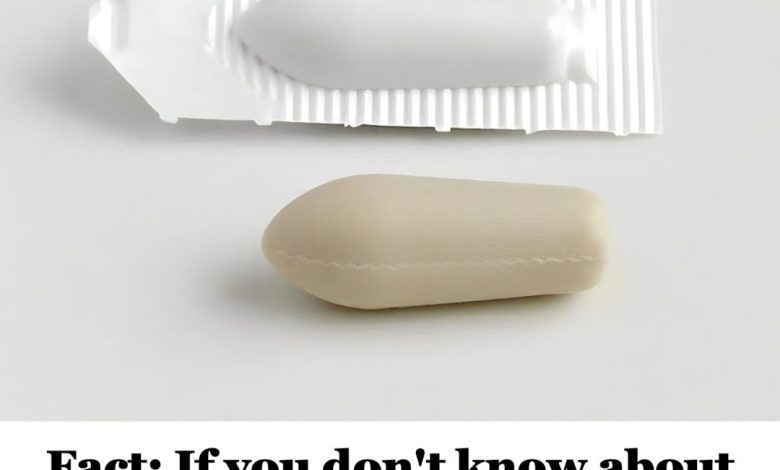
A rectal suppository is a small, smooth, capsule-shaped medicine (often “torpedo” shaped, like the one in the image) that is placed into the rectum where it melts and releases medication. In children, fever-reducing suppositories are sometimes used when a child cannot keep oral medicine down.
Important: This article is for general education. Always follow the product label and your pediatrician’s advice, especially for young children or infants.
What a Fever Suppository Usually Contains
Depending on the country and product, fever suppositories for children may contain:
- Acetaminophen (paracetamol): commonly used for fever and pain
- Less commonly, other ingredients may be used in certain regions
Do not assume the ingredient from appearance. Always check the active ingredient and strength on the packaging.
When a Rectal Suppository Can Be Useful
Rectal fever medicine may be considered when:
- The child is vomiting or nauseated and can’t keep liquids down
- The child refuses oral medicine reliably
- Swallowing is difficult (for example, during certain illnesses)
- A clinician specifically recommends rectal dosing for your situation
When It May Not Be a Good Choice
Avoid using a suppository (or get medical advice first) if your child has:
- Diarrhea (medicine may not stay in long enough to work)
- Rectal bleeding, significant pain, or known rectal injury
- Recent rectal surgery or a medical condition affecting the rectum
- A history of allergy to the listed ingredient
How to Use a Suppository Safely (Simple Step-by-Step)
- Confirm the right product: Verify active ingredient, strength, and expiration date.
- Wash hands and keep the child calm and comfortable.
- Position the child on their side with knees slightly bent (a comfortable “side-lying” position).
- Remove the wrapper. If the suppository is soft, you can cool it briefly so it firms up.
- Gently insert the suppository pointed end first, just past the rectal opening.
- Keep the child lying down for a few minutes to help it stay in place.
- Wash hands again.
Do not use more than directed on the label. If you are unsure about frequency or amount, ask a pharmacist or pediatric clinician.
Key Safety Rules Parents Should Follow
- Never double-dose. If your child takes an oral fever medicine as well, make sure it is not the same ingredient (for example, acetaminophen by mouth plus acetaminophen suppository can accidentally add up).
- Avoid using multiple “cold/flu” combination products unless a clinician approves, because ingredients can overlap.
- Do not give aspirin to children or teenagers for fever unless specifically directed by a doctor.
- Fever medicine is meant to improve comfort; it does not treat the underlying cause of infection.
What to Expect After Giving One
- Many children start to feel some relief within about 30–60 minutes, but timing varies.
- If the suppository comes out quickly or the child has a bowel movement soon after, the dose may not work fully. In that case, follow label guidance or call a pharmacist/clinician rather than guessing.
When Fever Is an Emergency
Seek urgent medical care if any of the following occur:
- The child is under 3 months old with any fever (follow local guidance; many clinicians treat this as urgent)
- Trouble breathing, bluish lips, or severe lethargy
- Stiff neck, severe headache, confusion, or unusual sleepiness that’s hard to wake
- Seizure
- Dehydration signs: very dry mouth, no tears, significantly fewer wet diapers/urination
- Rash that spreads quickly, purple spots, or rash with severe illness
- Fever lasts more than 3 days, keeps returning, or the child is getting worse rather than better
- The child has a serious chronic condition (immune problems, heart disease, etc.) and develops fever
Practical Fever Care Alongside Medication
- Offer fluids frequently (small sips often can help)
- Dress the child in light clothing
- Keep the room comfortably cool
- Focus on the child’s overall condition: alertness, breathing, hydration, comfort
Storage and Handling
- Store as directed on the package (some suppositories soften with heat).
- Keep all medicines out of children’s reach.
Bottom Line
Rectal suppositories can be a practical option for children with fever when oral medicine is difficult, but safe use requires careful attention to ingredient, strength, timing, and red-flag symptoms. When uncertain, the safest move is to ask a pharmacist or pediatric clinician before giving another dose.