Federal Action Overrides Minnesota Clemency in High-Profile Deportation Case
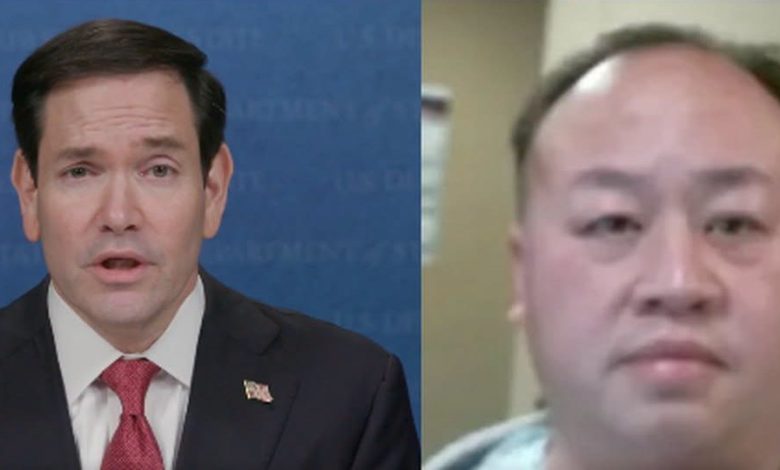
A major public-safety controversy erupted in Minnesota after federal officials moved to deport Tou Lue Vang, a Laotian immigrant who had been convicted of first-degree criminal sexual conduct involving a child. The case quickly became a flashpoint in the national debate over immigration enforcement, criminal accountability, and the limits of state clemency.
Vang had received a pardon from Minnesota’s clemency process in June 2026, a decision connected to state officials including Gov. Tim Walz, Attorney General Keith Ellison, and Chief Justice Natalie Hudson. But the federal government did not treat the pardon as the final word on his immigration status. Instead, Secretary of State Marco Rubio announced that Vang’s legal status had been revoked and that he had been deported from the United States.
The central issue is simple: a state pardon can address a state conviction, but it does not automatically erase federal immigration consequences. That distinction matters, especially in cases involving serious criminal records and prior removal orders.
Supporters of the federal action argue that Washington had a duty to act when state officials chose leniency in a case involving a serious offense. They say the deportation sends a clear message that public safety must come before political pressure, activist demands, or state-level decisions that could weaken immigration enforcement.
Critics of Minnesota’s pardon decision say the case raises hard questions about judgment, accountability, and the rights of victims. For many families, the concern is not abstract politics. It is whether government leaders are willing to draw firm lines when someone with a serious criminal history seeks relief from consequences.
At the same time, the facts should be described accurately. The Minnesota pardon was not “revoked” by federal authorities. What federal officials did was act separately under immigration authority, ending Vang’s legal status and removing him from the country. That difference is important because it shows how state criminal justice decisions and federal immigration law can collide.
For Americans watching this case, the broader lesson is that public safety policy cannot be built on slogans alone. Clemency decisions require transparency, careful review, and full consideration of the offense, the victim, the applicant’s record, and the risk to the community. Immigration enforcement also requires consistency, especially when serious crimes are involved.
Vang’s deportation is now being presented by federal officials as proof that federal authority can still override state-level leniency when immigration law and public safety are at stake. Whether viewed as a necessary correction or a political confrontation, the case has reignited a national debate over crime, borders, and the responsibility of leaders to protect communities first.