Found this hollow ceramic bird in a box of old kitchen stuff. It has a hole in the beak and the bottom. No idea what it’s for…
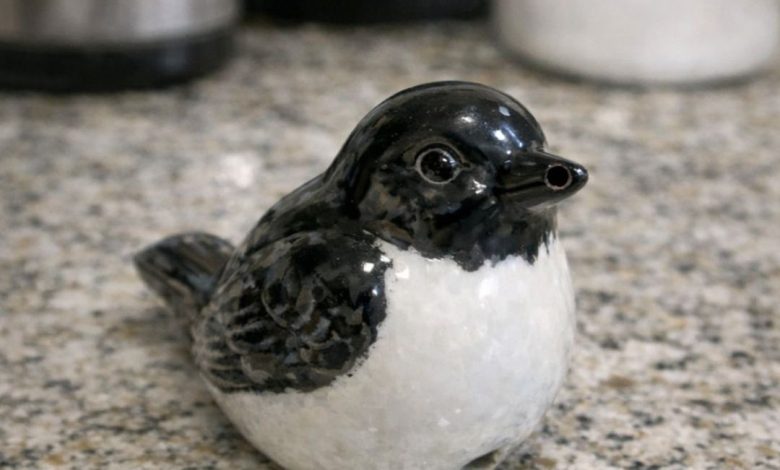
Sorting through a box of old kitchen tools can turn up some truly strange finds. Maybe it looks like a tiny ceramic bird. Maybe it has a hole in the beak and another opening at the bottom. Maybe it seems too cute to be useful. But this odd little object is more than decoration. In many American kitchens, especially in earlier generations, it had a very practical job.
That small ceramic bird is most likely a pie bird, also called a pie funnel, and it was designed to help bakers make better pies.
What Is a Pie Bird?
A pie bird is a hollow ceramic baking tool placed in the center of a pie before it goes into the oven. Its purpose is simple: it lets steam escape while the pie bakes. Instead of building up inside the filling and forcing juices to bubble over the edges, the steam travels up through the hollow bird and out through the beak.
Most pie birds are only a few inches tall and are often shaped like birds for both charm and function. The design may look whimsical, but it solves a real baking problem.
Why Bakers Used Them
Fruit pies release a lot of moisture as they bake. Without proper venting, that steam can collect under the crust, making the filling bubble up too aggressively and sometimes causing leaks. A pie bird helps by creating a direct path for steam to escape.
That means several benefits for the finished pie:
less boil-over, a better-shaped top crust, more even baking, and a lower chance of a soggy crust.
For anyone baking apple, cherry, peach, or berry pies, that extra bit of ventilation can make a real difference.
How It Works
The bottom opening sits in the pie filling, while the opening at the top—usually the beak—acts as a vent. As the pie heats up, steam rises through the bird instead of pushing randomly against the crust. The top crust is placed over the pie bird, with the bird’s head sticking through a small cut in the center.
It is a clever piece of old-fashioned kitchen engineering: simple, reusable, and effective.
Why It Looks Like a Bird
The bird shape became especially popular because it was both decorative and practical. A pointed beak works naturally as a steam outlet, and the bird form made an ordinary baking tool feel charming and memorable.
Over time, pie birds became part kitchen tool, part collectible. Some are plain and rustic, while others are colorful, highly glazed, and made by well-known pottery makers.
How to Tell If Yours Is Really a Pie Bird
If you are trying to identify one, look for a few classic signs. A real pie bird usually has:
a hollow interior, one hole at the bottom, one hole at the top or in the beak, heat-safe ceramic, and a size small enough to sit inside a pie.
Many also have a glazed finish, which helps protect the ceramic and makes cleanup easier. Some have markings on the underside that can identify the maker.
How to Use One in a Pie
Using a pie bird is straightforward. First, line your pie dish with the bottom crust. Place the pie bird upright in the center. Spoon the filling around it, making sure the bird stays stable. Then lay the top crust over the pie and cut a small opening so the bird’s head can poke through. Seal the crust edges as usual and bake.
As the filling cooks, steam rises through the bird and exits cleanly through the top. The result is often a pie that looks neater and bakes more evenly.
Why So Many Bakers Still Love Them
Even with modern baking tricks, pie birds still have loyal fans. Many bakers say they help reduce messy overflow and keep the crust in better condition. They are especially useful for juicy fruit pies, where excess liquid can ruin texture if it has nowhere to go.
In other words, this tiny ceramic bird is not just cute. It can actually help produce a crisper, cleaner, better-baked pie.
Important Safety Checks Before Using an Old One
If you found a pie bird in an antique shop, thrift store, or family drawer, inspect it carefully before baking with it. Check for:
cracks, chips, worn glaze, or signs of damage.
Older ceramics may also raise concerns about lead in the glaze, especially if the piece is very old and its origin is unknown. If you are not sure whether it is food-safe, it may be better to keep it for display rather than baking.
Hand washing is usually the safest way to clean a pie bird. Gentle soap and warm water are enough for most pieces.
Could It Be Valuable?
Some pie birds are collectible, and value depends on age, maker, rarity, condition, and design. Common examples may be worth only a modest amount, but older or unusual pieces can attract collectors. If there is a maker’s mark on the bottom, that can help identify where it came from and whether it has added value.
For collectors of vintage kitchenware, pie birds sit in that sweet spot between usefulness and nostalgia.
What If You Never Bake?
Even if you never plan to make a pie, a pie bird can still be worth keeping. These little ceramic pieces look great on a kitchen shelf, in a glass-front cabinet, or as part of a vintage baking display. Their quirky shape makes them perfect conversation pieces.
They also make thoughtful gifts for anyone who loves baking, antique tools, or classic Americana in the kitchen.
A Small Object With a Big Story
What first looks like a random ceramic bird is actually a clever old baking tool with a long history. The pie bird is a reminder that vintage kitchen items were often made with both beauty and purpose in mind. It may be small, but it played a meaningful role in helping home bakers turn out better pies.
So if you find one tucked among old utensils, don’t toss it aside. You may be holding a charming piece of baking history—and maybe even the secret to a better fruit pie.