Her Husband Took a Photo in 1992 and Said It Was Her Last Night Alive: Judy Sharp’s Survival Story
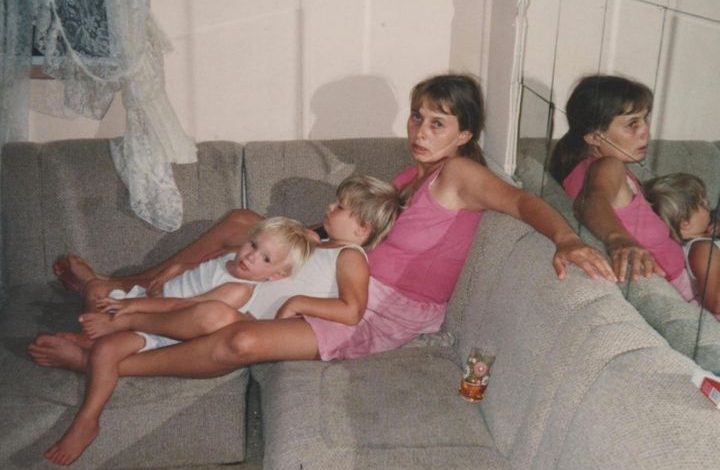
In 1992, Judy Sharp was sitting on a sofa with her two young sons when her husband, Mike, did something that still haunts her decades later. After unleashing a wave of insults, he raised a camera, took a picture of Judy with the children, and delivered a terrifying message: he told her it was “the last night” she was going to live—and that the photo would serve as a memory of their mother for the boys.
What happened next was not luck. It was a decision—made under fear, pressure, and danger—to fight for her children and herself.
Behind Closed Doors: The Control No One Sees
From the outside, some families look perfectly fine. Judy’s story highlights how abuse can be invisible to outsiders, especially when it happens in private and is built on control rather than bruises.
According to Judy, the moment she married Mike, she realized her life was changing in ways she never expected.
Key elements of what she endured included:
- Extreme jealousy and possessiveness
- Isolation, including being pressured not to go outside
- Financial control, leaving her penniless so she could not leave easily
- Surveillance-like behavior, including placing tape over the front and back doors so he could check whether she had tried to leave
Judy later shared that when she became pregnant with their first child, she hoped the relationship might improve. Instead, the abuse intensified.
Humiliation as a Weapon
Judy described the emotional cruelty as constant and degrading. Mike’s attacks went beyond anger in the moment—they were designed to break her down.
She said he:
- Insulted her as a woman
- Called her a “bad mother”
- Used intimidation to make her feel trapped and powerless
The night of the photo, the message was clear: he wanted her to believe she had no future.
The Moment Everything Changed
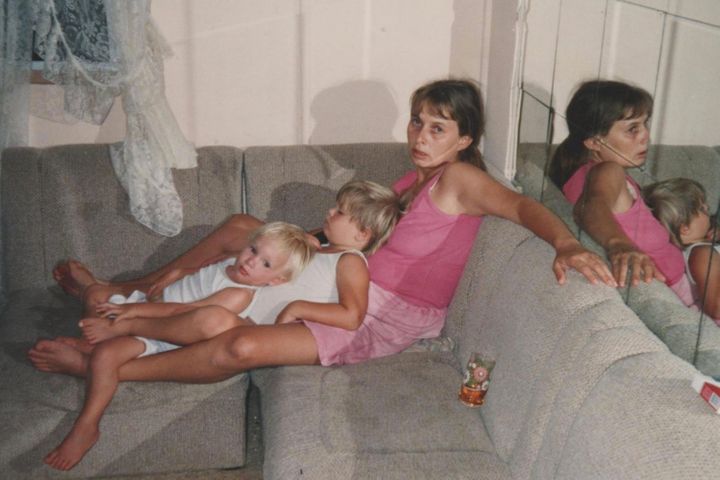
When Mike took the photo and told Judy it was her final night alive, Judy did not dismiss it as “just talk.”
She panicked, but she also recognized something crucial: if she did nothing, she and her children could be in real danger.
That night became a turning point, and she decided:
- She had to act
- She had to protect her sons
- She had to leave
Trying to Leave Isn’t Simple, and Judy Learned That Fast
Judy began searching for a shelter that could take her and the boys. But she ran into a barrier many families face: one of her children had autism, and she found that some shelters would not accept them under those circumstances.
With her options shrinking, Judy chose the only path left that could work quickly.
How Judy Got Out
Judy took practical steps to create distance and safety for her family:
- She rented a home, creating a place to stay that was separate from Mike.
- She managed to cover rent for a period of time using money she withdrew from their joint bank account.
- Once away from the house, she described feeling relief—because she had finally put physical space between her children and the abuse.
Mike tried to find them, but Judy was able to remain out of reach. Over time, he stopped searching.

Life After Survival: A Different Future for Her Children
Years later, Judy’s story is no longer centered on fear. It is centered on what her choice made possible.
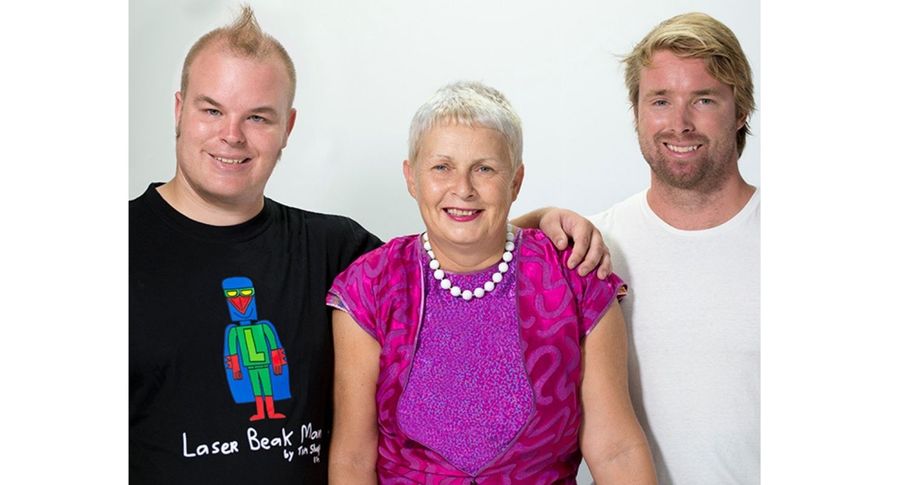
Today, Judy’s sons are grown:
- Sam is 30 and became a swim coach, having trialed for the Olympics.
- Tim is 32 and is a successful artist.
Judy has spoken openly about her pride—not only in the men her sons became, but in the fact that she found the courage to leave when it mattered most.
The Message Judy Wants Others to Hear
Judy’s story is meant to be more than a shocking headline or a single chilling photo. She wants it to serve as a reminder that:
- Domestic violence should never be endured
- Control is abuse, even when it is “only” financial or emotional
- There is a way out, but it often requires support, planning, and persistence
- You are not alone
Warning Signs Judy’s Story Brings Into Focus
Her experience highlights several red flags that often appear in abusive relationships:
- Isolation: a partner tries to stop you from leaving the home or seeing others
- Monitoring and intimidation: tracking your movements or “checking” on you
- Financial restriction: taking away access to money so you can’t make choices
- Escalation during pregnancy or major life changes
- Threats, even if they are framed as “jokes” or “anger”
Judy Sharp’s survival began with one terrifying moment—and continued because she acted, even when the system and circumstances made leaving difficult. Her story is a reminder that escape is not always simple, but it is possible—and it is worth fighting for.