How to Avoid Eye Infections and Keep Your Eyes Healthy: A Clear, Practical Guide
Eye infections are common, uncomfortable, and often preventable. Most start when germs (viruses, bacteria, or fungi) reach the eye—usually through hands, contact lenses, shared personal items, or contaminated makeup/tools. The good news is that a few consistent habits can dramatically lower your risk.
What “Eye Infection” Usually Means
Eye infections can affect different parts of the eye and eyelids. Common examples include:
- Conjunctivitis (“pink eye”): infection/inflammation of the conjunctiva; often causes redness and discharge
- Blepharitis: inflammation/infection along the eyelid margins; can cause crusting and irritation
- Keratitis: infection of the cornea (more urgent), especially in contact lens wearers
- Stye (hordeolum): a tender, localized eyelid infection near a lash follicle or gland
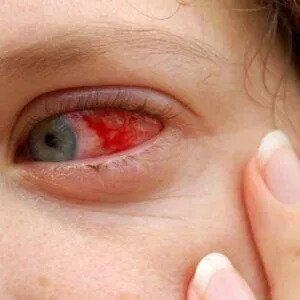
Symptoms to Watch For
If you notice these, treat them seriously—especially if they worsen quickly:
- Redness that doesn’t improve
- Itching, burning, gritty sensation
- Watery tearing or thick discharge
- Swollen eyelids
- Pain or pressure
- Light sensitivity
- Blurred vision
Seek urgent eye care if you have severe pain, sudden vision changes, strong light sensitivity, eye injury/chemical exposure, or red painful eyes while wearing contact lenses.
The Best Daily Habits to Prevent Eye Infections
1) Master Hand Hygiene (Your #1 Defense)
Most infections start when people touch their eyes without realizing it.
- Wash hands with soap and water for at least 20 seconds
- Wash hands before inserting/removing contact lenses
- Wash hands after public surfaces (phones, door handles, railings)
- Keep nails short and clean (germs collect under nails)
Key rule: If you must touch your eye area, wash your hands first.
2) Stop Rubbing Your Eyes
Rubbing can:
- Push germs into the eye surface
- Irritate the eye and make infection more likely
- Worsen allergy-related itching and redness
Instead:
- Use lubricating drops if dryness is the problem
- Use a clean tissue to dab tears or irritation
- Treat the trigger (allergies, screen fatigue, dry air)
3) Contact Lens Safety (High Impact, Non-Negotiable)
If you wear contacts, follow these rules consistently:
- Always wash and dry hands before handling lenses
- Use fresh disinfecting solution (never “top off” old solution)
- Never use tap water or saliva on lenses or cases
- Do not sleep in contacts unless your eye professional specifically approves
- Replace lenses on schedule (do not stretch wear time)
- Clean/replace the lens case regularly and keep it dry when not in use
- If your eye becomes red/painful: remove lenses immediately and switch to glasses until you’re evaluated
Important: Contact lenses can significantly raise the risk of serious corneal infections when hygiene slips.
4) Be Careful With Makeup and Eye Tools
Eye makeup can trap bacteria and transfer germs between people.
- Do not share mascara, eyeliner, eyeshadow, brushes, lash curlers, or sponges
- Replace products that are old, dried out, or smell “off”
- Remove eye makeup before bed to reduce clogged glands and bacterial buildup
- Clean brushes routinely and let them dry fully
If you have an eye infection: throw away eye makeup you used recently to avoid reinfection.
5) Keep Personal Items Truly Personal
To reduce spread at home/school:
- Use your own towels, washcloths, pillowcases
- Avoid sharing eye drops, tissues, or face cloths
- If someone in the household has an eye infection, launder linens that may have touched the eyes and increase handwashing for everyone
6) Protect Your Eyes From Irritants and Dirty Environments
Irritation makes eyes easier to infect.
- Wear protective eyewear for dusty work, sports, cleaning chemicals, or yard work
- Use sunglasses for wind/dust exposure outdoors
- Improve indoor air: reduce dust/mold, ventilate damp areas, consider air filtration if needed
7) Water and Swimming: Don’t Invite Germs In
Water (pools, lakes, oceans, showers) can expose eyes to microbes.
- Wear swim goggles
- Avoid exposing contact lenses to water
- Rinse around the eyes gently afterward if you’ve been in dusty or chlorinated environments
Long-Term Eye Health Habits That Also Lower Infection Risk
Support Your Immune System and Eye Tissues
A healthier body typically handles infections better.
- Eat nutrient-rich foods: dark leafy greens and omega-3–rich fish
- Stay hydrated
- Sleep enough and exercise regularly
Reduce Eye Strain (Dryness Can Trigger Rubbing)
If you spend lots of time on screens, use the 20-20-20 rule:
- Every 20 minutes, look 20 feet away for 20 seconds
Schedule Regular Eye Checkups
Routine exams can catch problems early and help you optimize lens fit, dryness management, and eyelid health—reducing the conditions that often lead to infections.
If You Think an Infection Is Starting: Do This Immediately
- Stop wearing contact lenses (switch to glasses)
- Do not share towels, makeup, or eye drops
- Wash hands frequently and avoid touching the eye
- Use a clean warm compress for comfort (if recommended for eyelid irritation)
- Get professional advice promptly, especially with pain, light sensitivity, or blurred vision
Bottom line: The strongest prevention plan is simple and consistent: clean hands, minimal eye touching, strict contact lens hygiene, no shared makeup/personal items, and timely eye care when symptoms appear.