I Found These At My Grandma’s House And Have No Idea What They Are
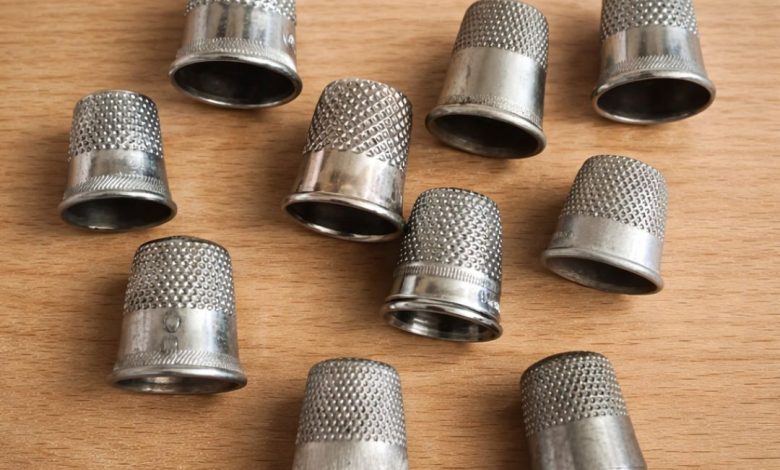
What Is a Thimble?
A thimble is a small protective cap worn on a finger—usually the middle finger—while sewing. Its primary purpose is to push a needle through fabric safely, preventing pain or injury to the finger.
Origin and Early History
- Thimbles are believed to have appeared as early as ancient times, with early examples found in Roman archaeological sites.
- The modern metal thimble became more common in Europe during the 14th–15th centuries, alongside the growth of hand sewing and tailoring trades.
- By the 18th and 19th centuries, thimble production expanded significantly, especially in England and Germany, which became major centers of high-quality manufacturing.
Who Created the Thimble?
- There is no single inventor credited with creating the thimble.
- It evolved naturally as a practical solution developed by early tailors and seamstresses to protect their fingers during repetitive hand sewing.
Materials Used in Vintage Thimbles
Vintage sewing thimbles were made from a variety of materials, including:
- Metal (steel, brass, silver, or nickel) – the most common and durable
- Celluloid – an early plastic used in late 19th and early 20th centuries
- Occasionally porcelain or leather for decorative or specialty use
Design and Features
- Dimpled or textured surfaces to grip the needle
- Closed-top or open-top designs
- Some stamped with maker’s marks, sizes, or country of origin such as Germany or England
Primary Uses
- Protects the finger from needle punctures
- Helps apply controlled pressure when sewing thick or layered fabric
- Improves speed and accuracy in hand stitching
Thimbles as Collectibles
- Vintage thimbles are now sought after by collectors and sewing enthusiasts.
- Factors that increase value include age, material, craftsmanship, markings, and condition.
- Thimbles from Germany and England are particularly valued due to their historical quality and mass production during the industrial era.
Cultural Significance
- Thimbles have appeared in folklore, literature, and sewing traditions for centuries.
- They symbolize craftsmanship, domestic skill, and the history of hand-made clothing.
Conclusion
Though small in size, the vintage sewing thimble represents centuries of practical innovation. From ancient origins to finely crafted European examples, it remains an essential tool and a meaningful collectible tied to the history of sewing.