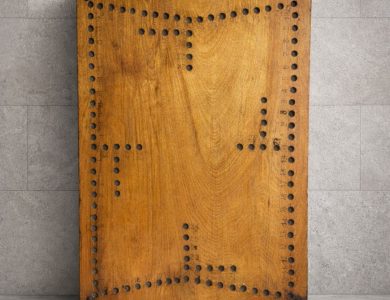
I found this antique at a flea market in Hollis, New Hampshire. Does anyone know what it is?
What It’s Called
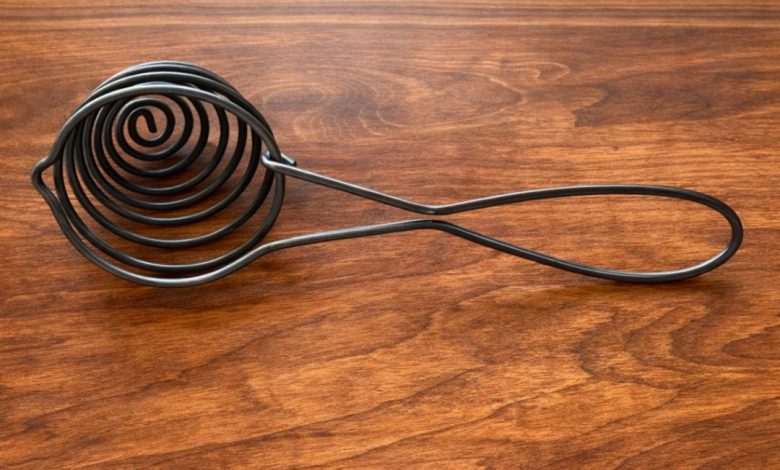
This tool is commonly described as a Vintage Coiled Beehive Wire Egg Separator. Because the same spiral basket can agitate liquids, it is also frequently labeled as an egg separator & whisk.
How to Recognize It (Key Features in the Images)
- Coiled “beehive” basket made from concentric wire rings that narrow toward a spiral at the base
- Long loop handle formed from the same wire, designed for grip and leverage
- Typically stainless steel or nickel-plated steel, often showing age patina and darkened wear on older examples
When It First Appeared (Time Period)
- Egg separators as kitchen tools became widely common in home cooking from the late 19th to early 20th century, as baking and standardized recipes increased demand for consistent egg handling.
- The coiled wire “beehive” style shown here is most often associated with mid-20th-century kitchens, commonly listed as 1940s–1950s vintage, matching the description provided.
Who Created It (Inventor / Maker)
- The broader concept of the egg separator was developed through multiple inventors and manufacturers over time, with many designs appearing and being refined across different countries.
- For this specific coiled beehive wire design, many surviving examples are unmarked, and the exact inventor or original manufacturer is often not identifiable from the tool alone. In practice, it was typically a factory-produced household utensil sold through kitchenware catalogs and local retailers rather than a single famous named invention.
What It Was Used For (Primary Purpose)
Main function: separating egg whites from yolks
- The coil basket acts as a resting cradle for the yolk while the egg white drains through the wire gaps into a bowl or pan below.
- The shape reduces slippage and helps keep the yolk intact.
Secondary function: light whisking / mixing
- The coiled rings can be used to stir and lightly whisk small amounts of liquid (such as eggs, sauces, or thin batters), especially in a bowl with a curved bottom.
How to Use It (Simple Steps)
- Place a bowl underneath the wire basket.
- Crack the egg and pour it into the coil basket.
- Let the egg white flow through the gaps into the bowl.
- Lift the tool with the yolk still held in the basket.
- If needed, tilt gently to speed drainage without breaking the yolk.
Why This Design Worked Well (Practical Advantages)
- Fast drainage: open wire spacing lets whites pass quickly
- Yolk support: the concentric rings keep the yolk centered
- Easy cleaning compared with closed ceramic or slotted cup separators
- Durable: wire construction resists cracking and tolerates frequent use
What to Look For When Collecting or Using One Today
- Material condition: minor discoloration is common; avoid deep rust if intended for food use
- Wire integrity: ensure rings are not cracked or loose at the joints
- Stability: a well-formed basket should sit securely over a bowl without wobbling
- Cleaning: use a soft brush to reach between coils; dry thoroughly to prevent corrosion on older plated steel
Bottom Line
The vintage coiled “beehive” wire egg separator is a classic mid-century kitchen utensil designed for one job—cleanly separating yolks and whites—while also serving as a simple hand whisk. Its popularity came from its speed, reliability, and long-lasting wire construction, making it a practical tool that still performs well in modern kitchens.