I Found this but I have no idea what it is. Thoughts?
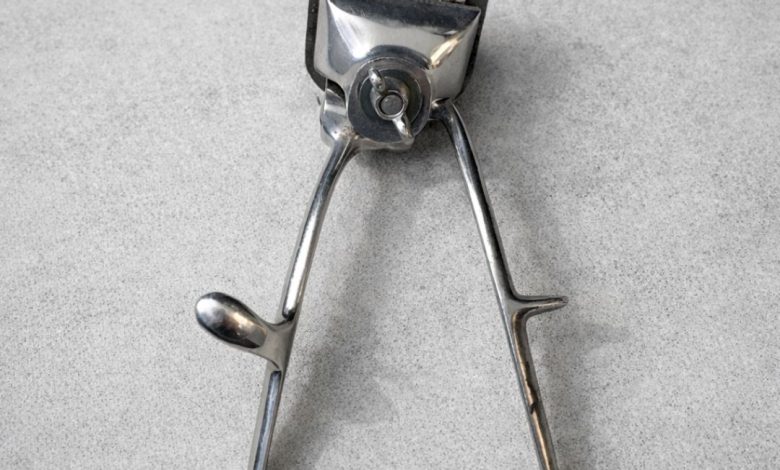
Long before electric clippers became common in homes and barbershops, hair was often cut with manual mechanical clippers—sturdy, all-metal tools that rely on hand pressure instead of a motor. The clipper in the image is a classic example: a chrome-finished, scissor-handled device with a toothed cutting comb at the top and a central adjustment/pivot mechanism that drives the cutting action.
What You’re Looking At
This tool is typically called: vintage mechanical hair clippers, manual barber clippers, or hand-operated hair clippers.
Key visual features include:
- Toothed upper blade/comb for guiding and cutting hair
- All-metal body designed for durability and easy cleaning
- Two long handles that you squeeze to create the cutting motion
- Central screw/knob assembly that helps hold alignment and sometimes adjusts tension
How Manual Clippers Work (Simple Explanation)
Unlike electric clippers that use a motor to move blades back and forth, mechanical clippers work through leverage. When you squeeze the handles:
- The internal linkage moves the cutting blade.
- The blade slides rapidly across the comb edge.
- Hair caught between the teeth is cut cleanly when the blades meet.
What makes them special is their purely mechanical design—no batteries, no cords, no charging.
Why These Clippers Were Popular
Manual clippers were valued because they were:
- Reliable (no electricity required)
- Portable (easy to carry for travel or house calls)
- Durable (metal construction can last decades)
- Serviceable (parts could be cleaned, oiled, and adjusted)
They were commonly used for basic trims, short cuts, and practical at-home haircuts, especially when electric tools were expensive or less available.
Common Uses Today
Today, most people keep vintage mechanical clippers for one of these purposes:
- Collectible grooming tools for vintage enthusiasts
- Barbershop or salon décor (great conversation piece)
- Farmhouse/rustic décor styling in kitchens, bathrooms, or grooming displays
- Prop or historical display for photography and film sets
Some people still use them, but they require good blade condition and careful technique.
How to Use Them Safely (If You Decide to Try)
If the blades are sharp and aligned, manual clippers can still function. For safer use:
- Start on clean, dry hair (tangled hair increases pulling)
- Work slowly in small sections to avoid snagging
- Keep the clipper parallel to the area you’re trimming
- Avoid loose skin folds (manual clippers can pinch)
- Stop immediately if you feel pulling, scraping, or uneven cutting
Important note: Old blades can be dull or misaligned, which may cause discomfort. Many owners prefer restoration/display rather than active grooming use.
Care and Maintenance (Keeps It Working and Looking Great)
Basic maintenance is straightforward and helps preserve value:
- Brush out hair debris after each handling or use
- Wipe metal surfaces with a soft dry cloth to prevent moisture marks
- Apply a tiny amount of light machine oil to the moving joint and blade contact points
- Store in a dry place to avoid corrosion
- If you see surface oxidation, use gentle metal-safe polishing methods (avoid harsh abrasives that remove plating)
What to Check When Buying or Restoring Vintage Clippers
A quick inspection checklist:
- Blade alignment: teeth should meet evenly without obvious gaps
- Smooth motion: squeezing handles should feel consistent, not gritty
- Tension: too loose won’t cut; too tight may bind
- Rust/pitting: light surface marks are common; deep pitting can affect function
- Cracks or bends: especially near the pivot and blade housing
If the mechanism feels stiff, it may only need cleaning and lubrication, but severe misalignment can be harder to correct.
Why Collectors Appreciate Them
Vintage mechanical clippers represent an era of practical craftsmanship—tools made to be used repeatedly and maintained rather than replaced. They also appeal because they are:
- Visually distinctive (industrial, polished metal, strong silhouette)
- Historically interesting (pre-electric grooming technology)
- Built for longevity (simple mechanics, robust materials)
Final Takeaway
Vintage mechanical hair clippers are more than an old grooming tool—they’re a durable piece of everyday history. Whether you display them as décor, collect them as antiques, or restore them for function, their appeal comes from simplicity, mechanical ingenuity, and timeless build quality.