Kamala Harris in 2028? Democrats Risk Repeating the Same Political Mistakes
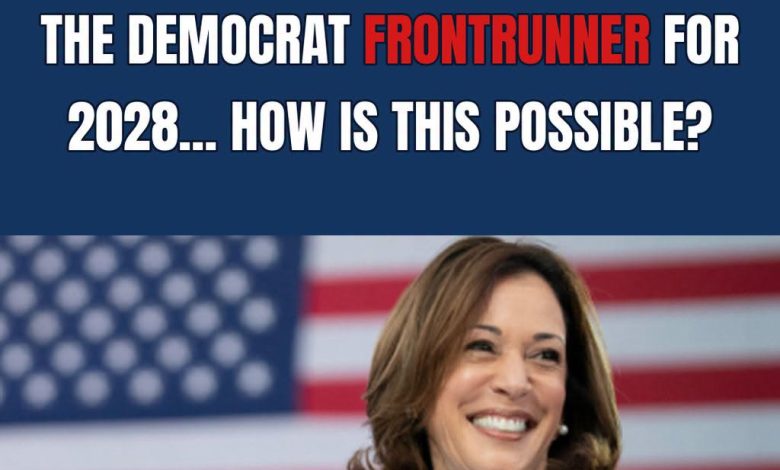
The possibility that Kamala Harris could once again become a leading Democratic presidential candidate in 2028 should force the party—and the country—to confront an uncomfortable question: Has anything actually been learned from the failures of the Biden-Harris years?
During her tenure as vice president, Harris was closely associated with an administration that faced intense criticism over border security, inflation, foreign policy, and public confidence in government. Yet rather than conducting an honest review of those shortcomings, Democratic strategists appear willing to promote the same leadership again.
For millions of Americans, the border crisis was not an abstract political debate. Communities across the country struggled with pressure on housing, schools, hospitals, law enforcement, and public services as illegal crossings reached alarming levels. Harris was given a prominent role in addressing the causes of migration, but critics argue that the administration never produced a credible strategy for restoring control at the border.
The economic record presents another major obstacle. Under the Biden-Harris administration, families endured sharp increases in the cost of groceries, gasoline, rent, mortgages, and basic household necessities. Although inflation has many causes, voters judge leaders by results, and many working Americans concluded that Washington’s spending and regulatory policies made their financial struggles worse.
Foreign policy also damaged public confidence. The chaotic withdrawal from Afghanistan became a lasting symbol of poor planning and weak execution. Thirteen American service members were killed during the evacuation, while disturbing images from Kabul raised serious questions about U.S. competence and credibility abroad.
Harris’s communication style created additional problems. In interviews and public appearances, she frequently relied on vague or repetitive statements rather than offering direct answers. At a time when Americans wanted clarity on the economy, immigration, national security, and public safety, her inability to communicate a convincing governing vision became a political liability.
Democratic leaders may argue that Harris remains experienced, nationally recognized, and capable of energizing important parts of the party’s coalition. But name recognition is not the same as effective leadership. A serious political party must be willing to examine its mistakes instead of dismissing criticism as misinformation, prejudice, or partisan hostility.
The country needs leaders committed to secure borders, affordable energy, restrained government spending, constitutional freedoms, public safety, and American strength abroad. Those priorities are not extremist. They reflect the practical concerns of families who want stability, opportunity, and competent government.
If Democrats rally behind Harris again without acknowledging the failures associated with the previous administration, they risk confirming what many voters already suspect: party loyalty matters more to them than accountability.
The 2028 election should not be another contest built around recycled personalities and carefully managed media narratives. Americans deserve candidates who can explain what went wrong, accept responsibility, and present credible solutions.
Until Kamala Harris and the Democratic Party confront their record honestly, asking voters to support her again would not represent a fresh start. It would represent a demand that the country repeat the same experiment and expect a different result.