Mind-Bending Brain Teaser: Solving the “Who Is Still Alive?” Mystery
A Riddle That Hooks the Mind
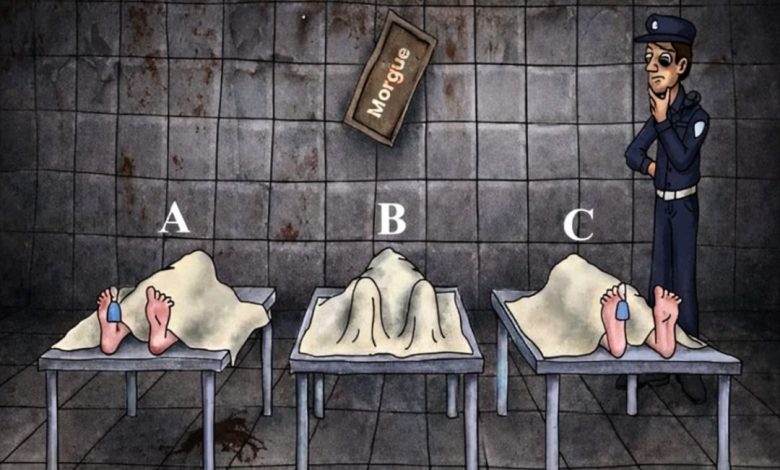
In the world of brain teasers, few challenges are as instantly engaging as the question: “Who is still alive?” It looks simple on the surface, yet it pushes you to slow down, observe carefully, and think logically instead of guessing.
These puzzles are popular for a reason: they don’t just entertain—they train the brain to notice details, connect clues, and resist assumptions.
Why Brain Teasers Matter
Beyond being fun, riddles and visual puzzles help strengthen:
- Critical thinking (examining evidence before concluding)
- Attention to detail (spotting what others miss)
- Reasoning under uncertainty (making a decision with limited information)
- Mental focus in a world full of distractions
Just as healthy food supports the body, mental challenges support cognitive sharpness—especially when they encourage careful, step-by-step thinking.
The Challenge Unveiled
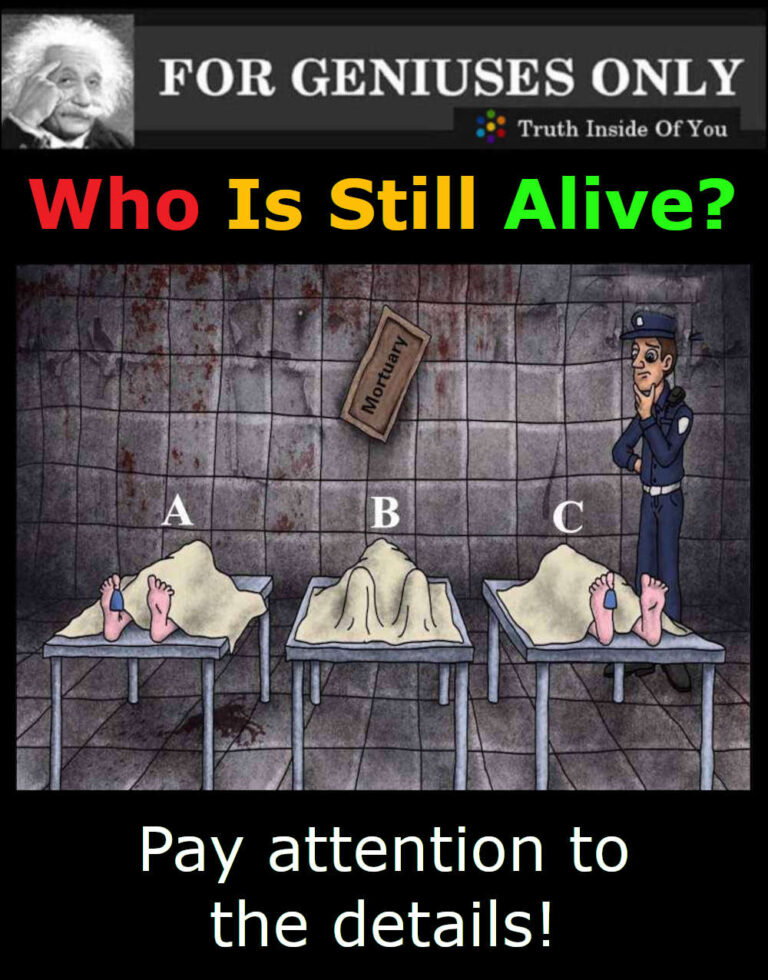
The “Who Is Still Alive?” puzzle presents a scene designed to mislead quick observers. The key is to treat every visual detail like evidence: nothing is accidental.
To solve it, you must:
- Scan the entire scene (not just the people).
- Identify anything that looks inconsistent with a typical setting.
- Ask what each clue implies in real life—not just in fiction.
Unlocking the Mystery: The Correct Answer
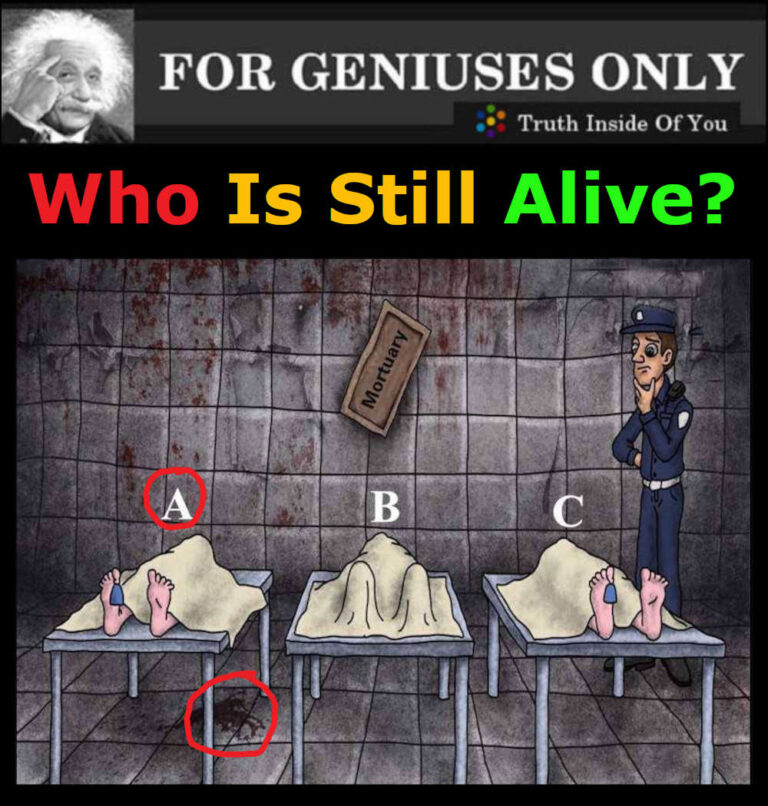
The solution given is PERSON A.
Why Person A? The Crucial Clue
The deciding detail is blood under the table. The reasoning is straightforward:
- If someone were already a dead body in a morgue, you would not expect fresh blood actively flowing.
- Blood appearing as if it is still leaking suggests the injury is recent, meaning the person is still alive (or was alive very recently).
Therefore, Person A is identified as the one still alive based on the blood evidence.
A Final Takeaway for Puzzle-Solvers
This riddle teaches a simple but powerful lesson: the smallest detail often carries the biggest truth. If you want to improve at puzzles like this, focus less on dramatic assumptions and more on physical clues and realistic logic.