Mystery Gadget That Left the Internet Shocked.
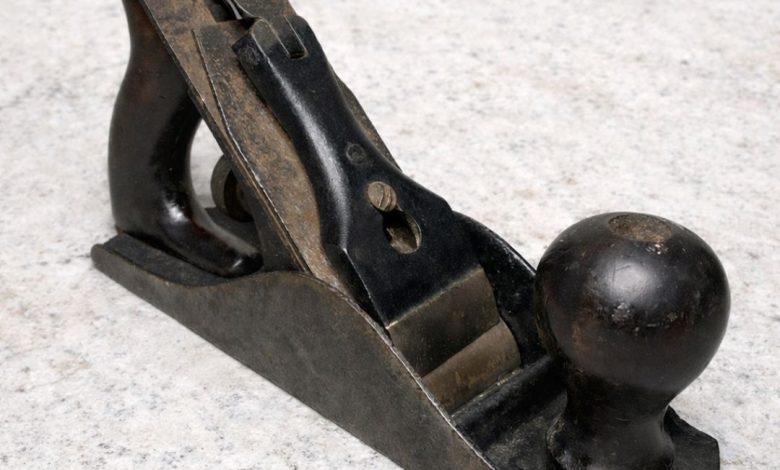
The Vintage Iron Wood Plane is a traditional hand tool used in woodworking to shape, smooth, and level wooden surfaces. This type of plane, made primarily from cast iron with wooden or iron handles, was a standard tool in American workshops before the widespread use of electric planers.
Name and Identification
- Common name: Vintage Iron Wood Plane
- Also known as: Hand plane, bench plane
- Material: Cast iron body with steel cutting blade
- Country of origin: United States
Time of Origin
- First introduced: Mid to late 19th century
- Became widely used in the late 1800s to early 1900s, during the industrial expansion of woodworking tools in the U.S.
Creator and Development
- Developed by American toolmakers and foundries during the Industrial Revolution
- Popularized by major U.S. manufacturers specializing in hand tools
- Designed to improve accuracy, durability, and efficiency compared to earlier wooden planes
Primary Function
- Smoothing wooden surfaces after sawing
- Flattening boards and straightening edges
- Reducing thickness of wood in controlled layers
- Creating precise finishes for furniture, cabinetry, and construction
How It Works
- A sharp steel blade is set at an adjustable angle
- The user pushes the plane forward across the wood
- Thin shavings are cut and removed evenly
- The front knob and rear handle provide stability and control
Key Design Features
- Heavy iron body for stability and vibration reduction
- Adjustable blade depth using a screw mechanism
- Rounded front knob for guiding pressure
- Open mouth slot allowing wood shavings to exit cleanly
Historical Importance
- Essential tool in carpentry and furniture-making before power tools
- Symbol of skilled craftsmanship and manual precision
- Many vintage iron planes are now collectible antiques
Modern Relevance
- Still used by traditional woodworkers and restorers
- Valued for precision, control, and durability
- Often restored and displayed as a functional antique