Noticed this tower of mud balls in the middle of my lawn this morning. It’s about 4 inches high with a hole in the center.
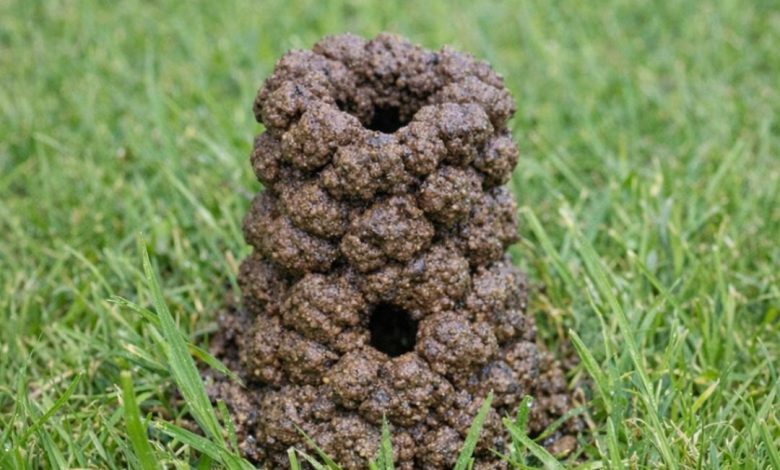
Spotting a small tower of mud rising from your lawn can feel like the beginning of a mystery. One day your yard looks perfectly normal, and the next, there is a 3- to 6-inch muddy chimney with a hole in the center standing in the grass. It may look strange, but in many parts of the United States, this is a well-known sign of activity just below the surface.
In many cases, that odd little structure is the work of burrowing crayfish, also called terrestrial crayfish. While most people think of crayfish as aquatic animals found in creeks and ponds, some species are well adapted to living in moist ground and creating deep underground burrows.
These mud towers are not random piles of dirt. They are carefully built chimneys formed from small pellets of mud carried to the surface by crayfish as they dig. The opening in the middle leads down into a tunnel system that may extend several feet underground, where the crayfish can stay cool, damp, and protected.
Why Burrowing Crayfish Build Mud Chimneys
Burrowing crayfish need an environment that stays humid, even when they are not directly underwater. To create that environment, they dig into wet soil and form underground chambers where they can rest, hide from predators, and survive changes in weather. As they remove mud from the burrow, they stack it around the entrance, gradually forming the chimney shape you see above ground.
This structure does more than mark the burrow’s entrance. It also helps with airflow and moisture control, allowing the underground habitat to remain suitable for the crayfish. In that sense, the mud tower is not just a pile of dirt. It is a practical design built for survival.
Why They Show Up in Certain Yards
If these muddy chimneys are appearing in your yard, it usually means your property has the conditions crayfish like best. They are most often found in low-lying areas, heavily watered lawns, clay-rich soil, or places where the water table sits close to the surface. Yards near ditches, ponds, marshy spots, or drainage areas are especially attractive to them.
Their presence often points to consistently moist soil, which makes digging easier and helps keep their burrows from drying out. That is why these structures tend to show up more often during wet seasons, especially in spring or after periods of steady rain.
How to Tell It’s a Crayfish Burrow
A crayfish chimney has a few signs that set it apart from ant hills or other yard disturbances. The most obvious clue is the shape. Instead of looking like a low mound, it usually appears as a vertical tower or chimney made of rounded balls of mud. The hole in the middle is also a giveaway, since it serves as the opening to the burrow below.
Another clue is location. These towers are more likely to appear in damp, poorly drained sections of the yard than in dry, sunny areas. If the structure looks like stacked mud pellets rather than fine loose soil, there is a good chance a crayfish built it.
What’s Happening Beneath the Surface
Under that small muddy opening may be a much larger underground world than you expect. Burrowing crayfish create tunnels and chambers that give them shelter from heat, drought, and predators. Some burrows go straight down, while others branch into small side chambers. These spaces help the crayfish survive even when surface conditions are not ideal.
Because they are mostly active at night, homeowners often never see the actual animal. Instead, the chimney is the only visible clue that something has been digging and living below the grass.
Are They Harmful to Your Lawn?
In most cases, burrowing crayfish are more of a curiosity than a serious problem. Their digging can actually help loosen compacted soil and improve aeration. For many yards, a few chimneys are mostly a cosmetic issue rather than a damaging one.
That said, large numbers of burrows can create uneven spots in the lawn and may become annoying if you mow frequently or want a perfectly smooth yard. In gardens or highly maintained landscapes, repeated burrowing may become more noticeable.
What to Do If You Want to Manage Them
If the mud towers bother you, the safest first step is to focus on the habitat rather than the animal. Improving drainage, reducing standing moisture, and correcting overly wet areas may make your yard less appealing to burrowing crayfish over time.
Some homeowners simply knock down the mud chimney, although crayfish may rebuild it if the burrow is still active. It is best to avoid harsh chemical treatments, especially because they can harm other wildlife and may not solve the underlying moisture issue. If the burrows become widespread or disruptive, a local wildlife professional or extension expert may be able to recommend humane solutions.
A Sign of a Living Backyard Ecosystem
Although they may look strange, these muddy towers are a reminder that your yard is part of a larger ecosystem. Burrowing crayfish are one of many animals that quietly shape the land beneath our feet. Their presence can signal that your soil holds moisture well and supports a range of life.
So if you step outside one morning and spot a miniature mud chimney standing in the grass, you are probably not looking at damage or something dangerous. More likely, you are seeing the work of a hardworking burrowing crayfish, hidden underground and going about its life while most of the neighborhood sleeps.
When to Ask for Expert Help
You may want professional advice if dozens of burrows are appearing, if sections of the yard are becoming unstable, or if you are unsure whether the structures were made by crayfish at all. An expert can help identify the cause and suggest the most responsible way to deal with it.
For most homeowners, though, that strange tower of mud is simply one of nature’s more unusual surprises — small, temporary, and surprisingly impressive once you know who built it.