Oklahoma Liquor Store Sparks Backlash After Posting Sign Critics Called “Offensive”
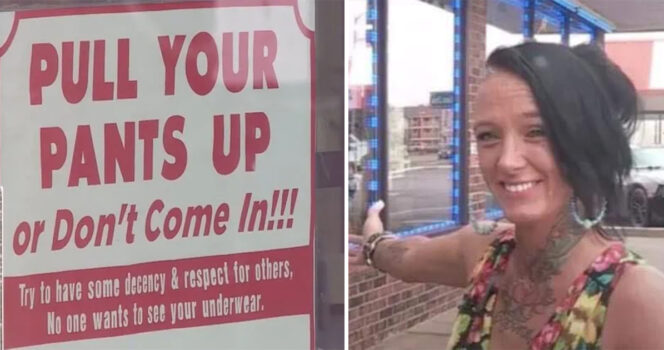
An Oklahoma liquor store found itself at the center of a heated online debate after a customer-facing sign about clothing sparked accusations of disrespect and overreach. The message spread rapidly on social media, drawing strong reactions from both critics and supporters.
What happened
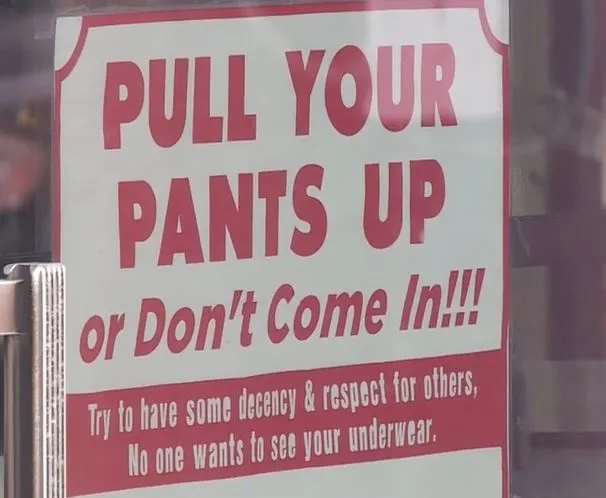
A liquor store in Oklahoma, Midwest Wine and Spirits, posted a sign that read: “Pull your pants up or don’t come in.” The notice quickly went viral, with many readers arguing the store was trying to police customers’ personal style and appearance.
The sign reportedly continued with an additional message emphasizing “decency,” including: “Try to have some decency and respect for others. No one wants to see your underwear.”
Why the sign triggered backlash
The criticism centered on the belief that a private business shouldn’t dictate how people dress beyond basic legal requirements.
Key complaints raised in the public reaction included:
- The sign was seen as disrespectful and shaming, rather than a neutral dress-code reminder.
- Some felt the store’s tone suggested judgment of customers, not just a preference for a certain standard of appearance.
The store’s explanation
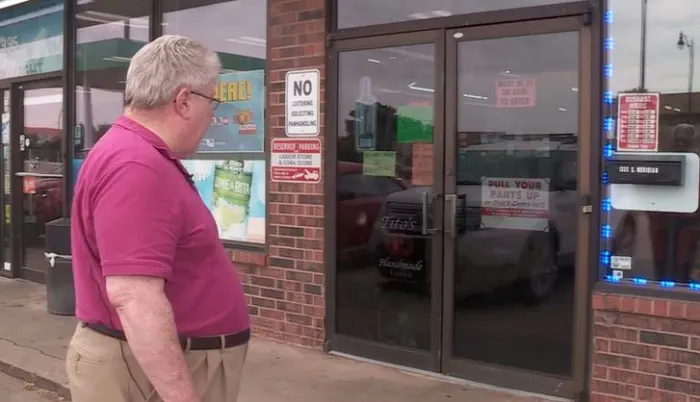
As attention grew, media outlets contacted the store for comment. One manager, Chad Gilbert, explained that while he understood certain styles are considered fashion statements, he personally found the look “somewhat offensive.”
The situation also included an operational concern raised by staff: an employee suggested that low-hanging pants can create security issues, claiming people dressed that way may find it “easier” to steal bottles.
Customer reactions on the ground
Not all responses were negative. One customer, Sunshine Weatherby, offered a different perspective, saying she could understand stricter standards in places like a church, but questioned the seriousness of the issue in a liquor store environment, noting she had “seen worse” in similar settings.
Similar “sign controversies” cited in the story
The article also referenced other examples of businesses facing public criticism over signage:
- A store sign claiming it was closed after firing teenage cashiers and stating the owners were now looking for “boomers” instead of Gen Z, which prompted debate and sarcastic reactions online.
- A KFC location in Ohio posted a sign in 2016 saying uniformed police officers eat free, which some criticized for excluding other first responders such as firefighters.
- In response to the KFC dispute, an administrator associated with Ohio Going Blue argued the post was meant as appreciation for law enforcement while also agreeing that other first responders should be acknowledged.
What this debate reveals
Beyond one store’s sign, the situation highlights a recurring tension in public life:
- Businesses’ rights to set standards vs. customers’ expectations of respect and equal treatment
- Whether blunt signs are a valid way to address issues like comfort, atmosphere, or safety
- How quickly a local decision can become a national talking point once it goes viral