Old enough to know what this is?
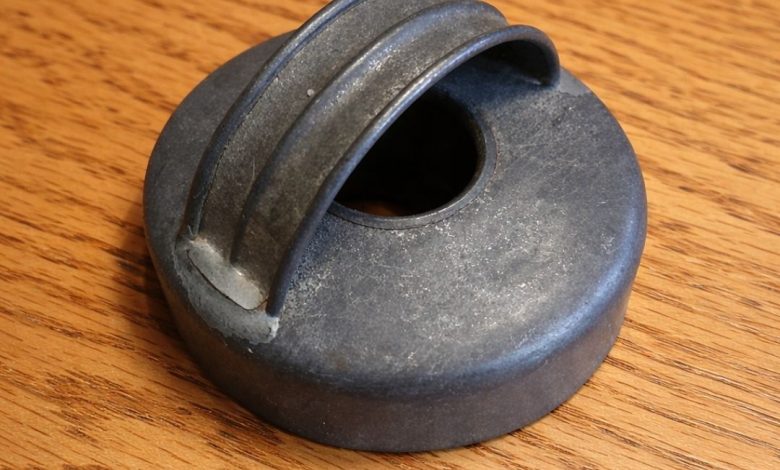
An Antique Tin Biscuit Cutter is a simple, practical kitchen tool once used to cut biscuits, cookies, or pastry dough into neat, repeatable shapes. Pieces described as “Folk Art” often reflect handmade construction, home workshop repairs, or regional, everyday design rather than factory-perfect finishing. When labeled “1920s,” it points to an era when many households relied on durable, reusable tools and home baking was part of daily life.
What It Is
- A vintage cutter made of tin (a lightweight metal often used in early kitchenware).
- Designed to press into rolled dough and create uniform biscuit or cookie shapes.
- Typically valued today as a collectible antique kitchen item and a piece of decorative folk-art cookware history.
Why Tin Was Common
- Affordable and widely available in early 20th-century household goods
- Easy to shape and form into rings, fluted edges, or simple stamped designs
- Light enough for everyday kitchen use, even in small home kitchens
Key Folk Art Traits Collectors Look For
- Hand-cut seams or folded edges rather than modern welded precision
- Visible tool marks, uneven shaping, or charming imperfections
- Signs of hand repairs (small patches, rivets, or reinforced joins)
- A look that feels home-crafted and functional, not mass-produced
Typical Uses in the 1920s Home Kitchen
- Cutting biscuit dough quickly for baking trays
- Shaping cookies for holidays or everyday treats
- Portioning pastry for small tarts or hand pies
- Sometimes repurposed for craft patterns or even kitchen organization tasks
Condition Details That Matter
- Patina and age wear: normal darkening, scuffs, and surface marks can be desirable
- Rust or sharp edges: may affect safe use for food today
- Original shape: cutters that remain round/true often hold higher appeal
- Structural stability: seams intact, no major cracks or splits
How People Display Them Today
- As rustic kitchen décor (hung on hooks or mounted in shadow boxes)
- In farmhouse-style displays with rolling pins, flour sifters, and enamelware
- As part of a 1920s kitchen collection or baking-themed vintage shelf
Quick Care Tips
- For display: dry dusting and low-humidity storage help prevent corrosion
- For handling: avoid harsh scrubbing that removes original patina
- If you plan to use it with food: many collectors recommend treating it as display-only unless it has been properly cleaned and confirmed safe