Opened a can of Spam and found it sitting in a clear jelly. Is that normal or did it go bad?
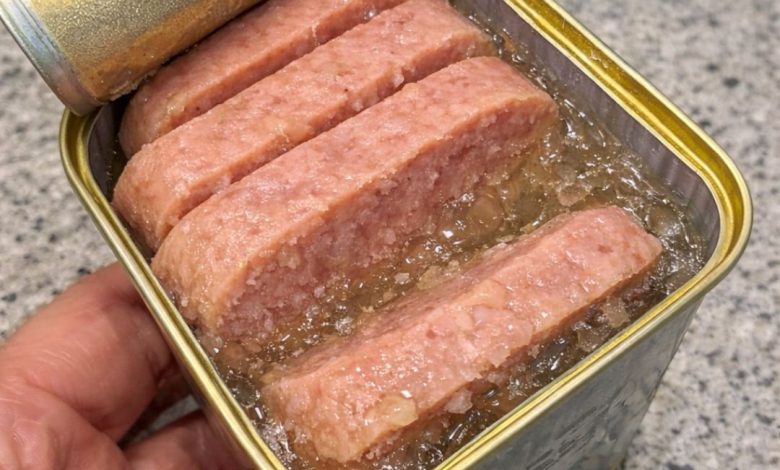
Opening a can of Spam for the first time can be a little surprising. Along with the familiar pink block of meat, you may notice a layer of clear, jelly-like substance around it. For many people, that instantly raises questions: Is this normal? Is the product spoiled? Is it still safe to eat?
The good news is that, in most cases, the jelly is completely normal. It is a natural result of the way Spam is cooked and canned, and it does not automatically mean anything is wrong. Still, as with any packaged food, there are a few signs that can help you tell the difference between a harmless gelatin layer and a can that should be thrown away.
Here is what that jelly really is, why it appears, and how to know whether your Spam is still safe to eat.
1. The Clear Jelly Is Usually Just Natural Gelatin
That slippery, clear coating inside the can is typically natural gelatin formed from meat juices and collagen during processing. Spam is made from pork and ham, and when those ingredients are cooked under heat, some of the collagen in the meat breaks down into gelatin.
As the product cools inside the sealed can, that liquid sets into the jelly you see when you open it. This is very similar to what happens when homemade broth or slow-cooked meat cools in the refrigerator and develops a gel-like texture.
So if you open a can and see a clear or slightly amber jelly, that alone is not a danger sign. In fact, it is often a normal part of canned meat products.
2. Why Spam Develops Jelly in the First Place
Spam is designed to be shelf-stable, which means it can stay safe unopened for a long period when stored properly. During manufacturing, the meat mixture is cooked, packed, and sealed in a can. As part of that process, moisture and proteins from the meat remain trapped inside.
When the can cools, those proteins thicken into gelatin. This helps the product retain moisture, texture, and flavor. In other words, that jelly is not there by accident. It is a natural byproduct of the cooking and cooling process that helps keep the meat from drying out.
For many canned meat products, this is completely expected.
3. What Normal Jelly Looks Like
In a typical can of Spam, the jelly should look clear, translucent, or slightly yellowish-amber. It should not have a harsh smell, and it should not look fuzzy, foamy, or strangely colored.
A normal texture is soft, slick, and gelatinous, especially if the can has been stored in a cool place. Once heated, the jelly usually melts quickly and blends into the food.
If everything else about the can looks fine, the presence of this jelly is usually just a sign that the product is behaving exactly as intended.
4. When the Jelly May Be a Warning Sign
Even though the gelatin itself is usually harmless, there are situations where you should be cautious. If the jelly looks cloudy, greenish, gray, very dark, or unusually slimy, that could mean the food is no longer in good condition.
You should also pay attention if the contents smell sour, rancid, or rotten when the can is opened. Spam should have a mild, salty, cooked-meat smell. A strong foul odor is a red flag.
Other warning signs include:
Bulging can
Leaking can
Severe rust
Deep dents near the seams
Strange discoloration on the meat
Unusual texture or spoilage smell
If you notice any of these, do not taste it. It is safer to throw it away.
5. Check the Meat, Not Just the Jelly
If you are deciding whether a can is safe, do not focus only on the gelatin. Look at the Spam itself too. The meat should have a consistent pink color and a firm, compact texture.
Be cautious if you see gray patches, dark spots, mold-like growth, or major color changes. While some slight variation can happen, obvious discoloration or anything that looks abnormal should not be ignored.
The safest approach is to judge the whole package: the can, the smell, the jelly, and the meat.
6. The Smell Test Matters More Than Many People Think
One of the easiest ways to spot spoiled canned meat is by smell. Fresh Spam has a recognizable aroma that is salty, savory, and mild. It should not make you recoil the moment the can is opened.
If the odor is sharp, sour, rotten, metallic in a bad way, or simply “off,” trust your senses. A bad smell is often one of the clearest signs that bacteria or chemical changes have affected the food.
And remember: if it smells wrong, do not eat it. It is never worth the risk.
7. Can Damage Is a Bigger Concern Than the Jelly
A lot of people focus on the jelly and miss the more important safety issue: the condition of the can itself.
Before opening Spam, inspect the outside carefully. A can that is swollen, punctured, rusted through, or leaking should be discarded immediately. Deep dents, especially around the lid or seams, can also compromise the seal and allow contamination.
Even if the contents look normal at first glance, a damaged can increases the risk that the product was exposed to bacteria. That is why can condition matters so much with shelf-stable foods.
8. Is the Jelly Safe to Eat? Yes, in Most Cases
If the can is undamaged, within date, and the contents look and smell normal, the jelly is generally safe to eat. It is not a harmful additive or some mystery preservative. It is simply a natural gelatin formed from the meat mixture.
Some people actually like it because it adds richness and moisture. Others prefer to remove it because they do not enjoy the texture. Either choice is fine.
What matters is this: the jelly itself is not usually a reason to throw out the Spam.
9. You Can Remove It If You Don’t Like It
Even though it is safe, not everyone enjoys the look or texture of Spam jelly. If it bothers you, you can easily remove it before cooking.
A quick rinse under warm water will loosen it right away. You can also wipe it off with a paper towel. If you plan to pan-fry or bake the Spam, you may not need to do anything at all because the jelly will melt as it heats.
So this is mostly a matter of preference, not safety.
10. Cooking Usually Solves the Texture Issue
Spam is often sliced and fried, and that is one of the easiest ways to make the jelly disappear. As the slices heat in the skillet, the gelatin melts and the exterior begins to brown and crisp.
That is one reason many people never even think about the jelly after the can is opened. Once cooked, it simply becomes part of the flavor and moisture in the dish.
Whether you add Spam to eggs, rice, sandwiches, or casseroles, the gelatin normally melts away without causing any problem.
11. Don’t Forget Safe Storage After Opening
Once the can is opened, Spam should no longer be treated like a shelf-stable product. If you do not use it all, transfer the leftovers to an airtight container and place them in the refrigerator.
For best quality and safety, eat refrigerated leftovers within 3 to 5 days. If the leftovers develop an odd smell, sticky surface, or unusual color, throw them out.
You can also freeze extra Spam. Cutting it into slices or portions first makes it easier to use later. Properly wrapped and frozen, it can last for up to about 3 months.
12. Common Myths About Spam Jelly
There are several myths that continue to make people nervous about what they see in the can.
One myth is that the jelly means the product is old or spoiled. That is false. The gelatin often appears in perfectly normal, safe cans.
Another myth is that the jelly is some kind of artificial filler added to trick consumers. In reality, it typically forms naturally from the meat during cooking and cooling.
Some also think it must be removed before eating for health reasons. That is not true either. If the product is otherwise safe, the jelly is generally safe too.
13. When You Should Toss the Can Without Question
There are a few situations where the safest choice is simple: throw it away.
Do not eat the Spam if:
The can is bulging or leaking
The seal appears damaged
There is a strong sour or rotten smell
The jelly or meat has unusual discoloration
The texture seems extremely slimy or abnormal
The can is heavily rusted or badly dented near the seams
When food safety is uncertain, caution is the smart move.
The Bottom Line
Seeing clear jelly in a can of Spam may look odd, but it is usually completely normal. In most cases, it is simply natural gelatin formed from collagen and meat juices during the canning process. It helps keep the product moist and flavorful, and it is generally safe to eat.
What you really need to watch for are the true warning signs: can damage, bad odor, strange color, leaking, bulging, or unusual texture. If those problems are not present, the jelly alone is rarely a cause for concern.
So the next time you open a can and find that glossy layer around the meat, there is no need to panic. Most of the time, it is just part of the product—not a sign that anything has gone wrong.