People in the countryside and those with ties to rural life will surely recognize this vintage item.
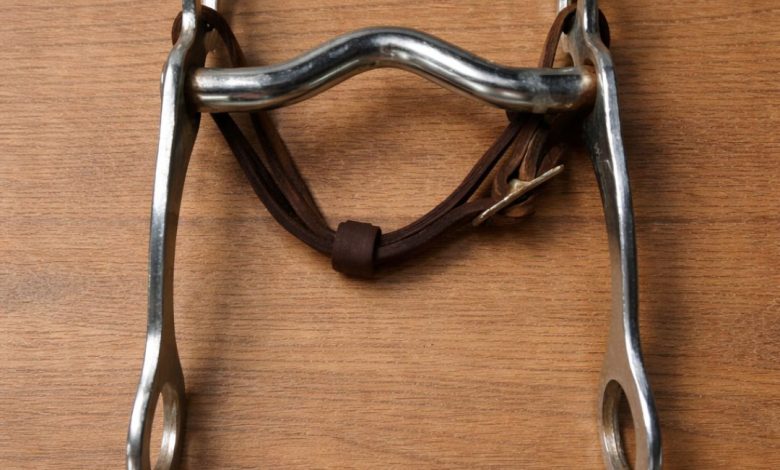
The vintage horse bit is a practical piece of equipment that represents the long partnership between humans and horses. For thousands of years, bits have helped riders guide, train, and communicate with horses. As riding needs changed—through farming, travel, war, and sport—bit designs also evolved.
The Origins of the Horse Bit (Over 5,000 Years Ago)
Early forms of horse bits appeared more than 5,000 years ago, linked to ancient cultures such as Mesopotamia and Egypt. These early tools were basic, but they introduced the idea of using a device in the horse’s mouth to support control and direction.
Common early materials included:
- Bone
- Wood
- Leather
Major Evolution: The Shift to Metal Bits
As societies relied more heavily on horses, bits became stronger and more standardized. By the era of the Roman Empire, metal bits were widely used, improving:
- Durability (longer-lasting than organic materials)
- Consistency of control (more predictable handling)
- Use in demanding settings like travel, agriculture, and warfare
The Middle Ages: Innovation and Specialization
In medieval Europe, bits became more specialized as equestrian activities expanded—especially jousting, military riding, and long-distance transport. During this period, bit-making often reflected both function and social rank.
Key characteristics of the Middle Ages included:
- Use of iron and bronze
- More intricate craftsmanship
- Bits serving as symbols of status and wealth for nobility
How a Horse Bit Works: Communication Through Pressure
A bit helps a rider communicate by applying controlled pressure inside the horse’s mouth (and, depending on design, also on other points such as the chin). The goal is to guide movement while maintaining comfort and clarity of signals.
Common bit categories include:
- Snaffle Bits
- Provide direct pressure with no leverage
- Often used for general riding and training young horses
- Valued for simpler, gentler communication
- Curb Bits
- Use leverage for increased control
- Apply pressure through a system that can involve the mouth and chin
- Typically suited for experienced riders or higher-control situations
- Combination Bits
- Blend features of snaffle and curb styles
- Designed to balance control and comfort
- Chosen for versatility across different riding needs
Cultural and Historical Significance
Vintage horse bits are more than equipment—they are historical objects that reflect:
- Changing views of horsemanship and animal handling
- Advancements in metalworking and design
- The central role horses played in daily life
Today, many vintage bits are:
- Displayed in museums as equestrian artifacts
- Studied by historians and riders to understand older riding methods
- Appreciated for craftsmanship and design details
Influence on Modern Horsemanship
Even though modern tack often prioritizes improved comfort and refined materials, many contemporary designs still borrow from vintage forms. Vintage bits continue to influence:
- Shape and structure of modern bit components
- Focus on clear communication between rider and horse
- Appreciation for the blend of function + aesthetics
Vintage Horse Bits as Collectibles
Collectors value vintage bits for their:
- Historical context (what era and purpose they reflect)
- Craftsmanship (hand-forged details, engraving, unique forms)
- Connection to the past (working equipment turned artifact)
A single vintage bit may tell a story about its original use—whether for everyday riding, formal sport, or specialized work.
Conclusion: Why Vintage Horse Bits Still Matter
The vintage horse bit remains a meaningful symbol of human–horse partnership. From early organic materials to advanced metal craftsmanship and specialized medieval designs, bits have shaped the way riders communicate with horses. Whether used as a study piece, displayed as a historical object, or collected for its artistry, the vintage horse bit continues to carry practical, cultural, and historical importance.