Pulled a can of soup and the lid looked puffed and dented. Is it still safe to open.
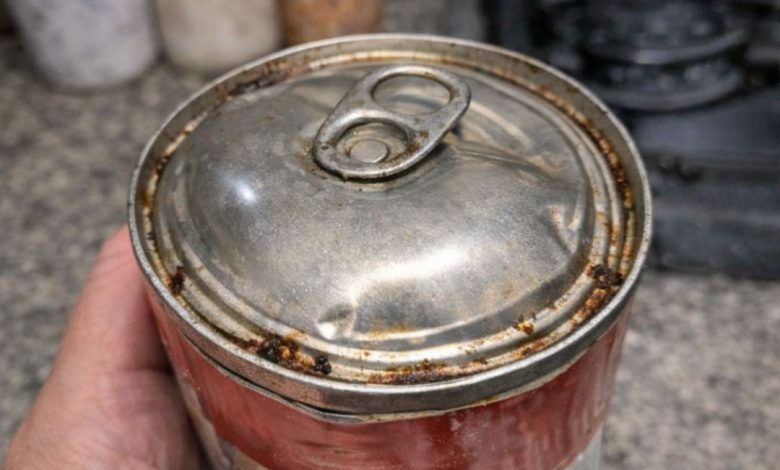
Canned foods are a pantry essential in many American homes because they are affordable, convenient, and easy to store. But when a can of soup has a puffed lid, deep dent, rust, or signs of leaking, it should never be ignored. These warning signs may mean the food inside is no longer safe to eat.
A damaged can is more than a cosmetic problem. In some cases, it can point to spoilage, a broken seal, or dangerous bacterial growth. Knowing what to look for can help protect you and your family from serious foodborne illness.
Why a swollen lid is a major warning sign
When the top or bottom of a can starts bulging outward, that usually means gas has built up inside. This often happens when bacteria or other microorganisms grow in the food and release gas as they multiply. Since canned food is meant to stay sealed in a stable environment, swelling is a strong sign that something has gone wrong.
A puffed can should be treated as unsafe. Even if the food inside looks normal, the swelling suggests the contents may already be contaminated.
Why dents can also be dangerous
Not every dent automatically means a can must be thrown away, but some dents are far more serious than others. A small, shallow dent on the side of the can may not be a problem. However, a deep dent, especially one along the seam, rim, or lid, can damage the seal and allow bacteria to enter.
Once the seal is weakened, the food inside may no longer be protected. That turns a shelf-stable product into a possible health risk.
What makes damaged cans risky to eat
One of the biggest concerns with compromised canned goods is the possibility of botulism, a rare but potentially life-threatening illness caused by toxins produced by certain bacteria. Other harmful germs can also grow when a can is damaged or improperly sealed.
That is why food from a can that is swollen, leaking, rusted, or severely dented should never be tasted “just to check.” Even a small bite can be risky if contamination is present.
When a dented can may still be okay
A dented can may still be safe only if the dent is minor and does not affect the lid or seams. The can should also have no swelling, no rust, no leaks, and no punctures. If the can still looks solid and fully sealed, it may be usable.
But if there is any doubt, the safest choice is simple: throw it out. Food is never worth gambling with when the packaging shows signs of failure.
What to check before opening a can
Before you open any can, look closely for these warning signs:
Bulging lid or bottom
Deep dents near seams or the lid
Rust that may weaken the metal
Leaking liquid or sticky residue
Punctures or visible holes
If you spot any of these issues, do not open the can for cooking or tasting.
What warning signs matter after opening
If a can looks normal on the outside but seems suspicious after opening, pay attention immediately. Warning signs include:
A foul or unusual smell
Foaming, spraying, or spurting liquid
Strange discoloration
Cloudiness where it should look clear
Mold or an unusual texture
If any of these appear, do not eat the food. Dispose of it right away.
Why tasting suspicious food is never a good idea
Many people are tempted to take a tiny taste to see whether the food is still okay. That is a dangerous mistake. You cannot rely on taste to detect every harmful toxin or bacteria. Some contaminated foods may not have an obvious flavor change at all.
The safer rule is clear: If the can looks questionable, do not taste the contents.
What experts recommend doing
Food safety experts generally advise consumers to discard suspicious cans immediately rather than take chances. If the item came from a store and appears defective, you may also want to report it to the retailer or manufacturer so the issue can be investigated.
After handling a damaged can, wash your hands well and clean any surfaces the can touched to reduce the chance of cross-contamination.
How to throw away a bad can safely
If you believe a can may be unsafe, place it in a sealed plastic bag before putting it in the trash. This helps contain leaks and reduces contact with the contents. If anything spilled in your pantry, cabinet, or countertop area, clean and sanitize the space thoroughly.
The goal is not just to get rid of the can, but to prevent any possible contamination from spreading.
How to avoid damaged cans when shopping
A few smart habits at the grocery store can help you avoid trouble later. Before buying canned food, inspect it carefully. Choose cans that are clean, dry, and free from dents, rust, swelling, or leaks. Be extra cautious with products that appear damaged around the top or seams.
It is also a good idea to avoid cans stored in places exposed to extreme heat, moisture, or poor handling, since those conditions can weaken packaging over time.
How to store canned foods the right way
Proper storage can help canned goods stay safe longer. Keep them in a cool, dry place away from direct sunlight, heat sources, and high humidity. Rotate your pantry so older cans are used first, and check them from time to time for signs of wear or damage.
Good storage habits can help prevent surprises and make it easier to spot a problem before it becomes a safety issue.
The bottom line
A can of soup with a puffed lid, deep dent, rust, or leaking seal should never be taken lightly. These are important warning signs that the food may be spoiled or unsafe. While some minor dents may not be a problem, swelling and seal damage are different matters entirely.
When it comes to canned food, caution is the smart choice. If a can looks suspicious, do not open it, do not taste it, and do not serve it. Throw it away and protect your health.