Raised Without a Mom: The Day She Came Back Sick and Begged for a Second Chance
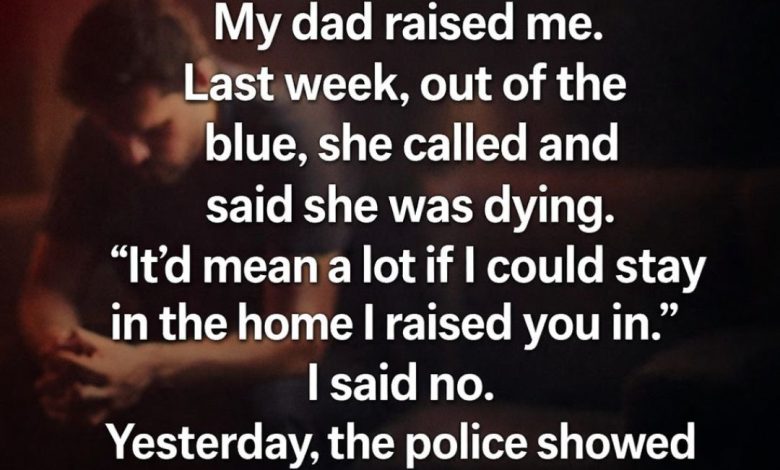
Growing up, I used to envy the kids who had both parents beside them. I didn’t. My mother didn’t die. She didn’t get taken by a sudden tragedy. She simply decided she didn’t want to be part of my life once I turned 11.
She left my dad and me for another man, and she never looked back. Not for birthdays. Not for school events. Not for the quiet moments when a child still believes a parent might return if they just wait long enough. She vanished, and in that silence, my childhood rearranged itself around what was missing.
Years passed. Life moved forward because it had to. And then, one day, she showed up at my door as if time hadn’t been an ocean between us.
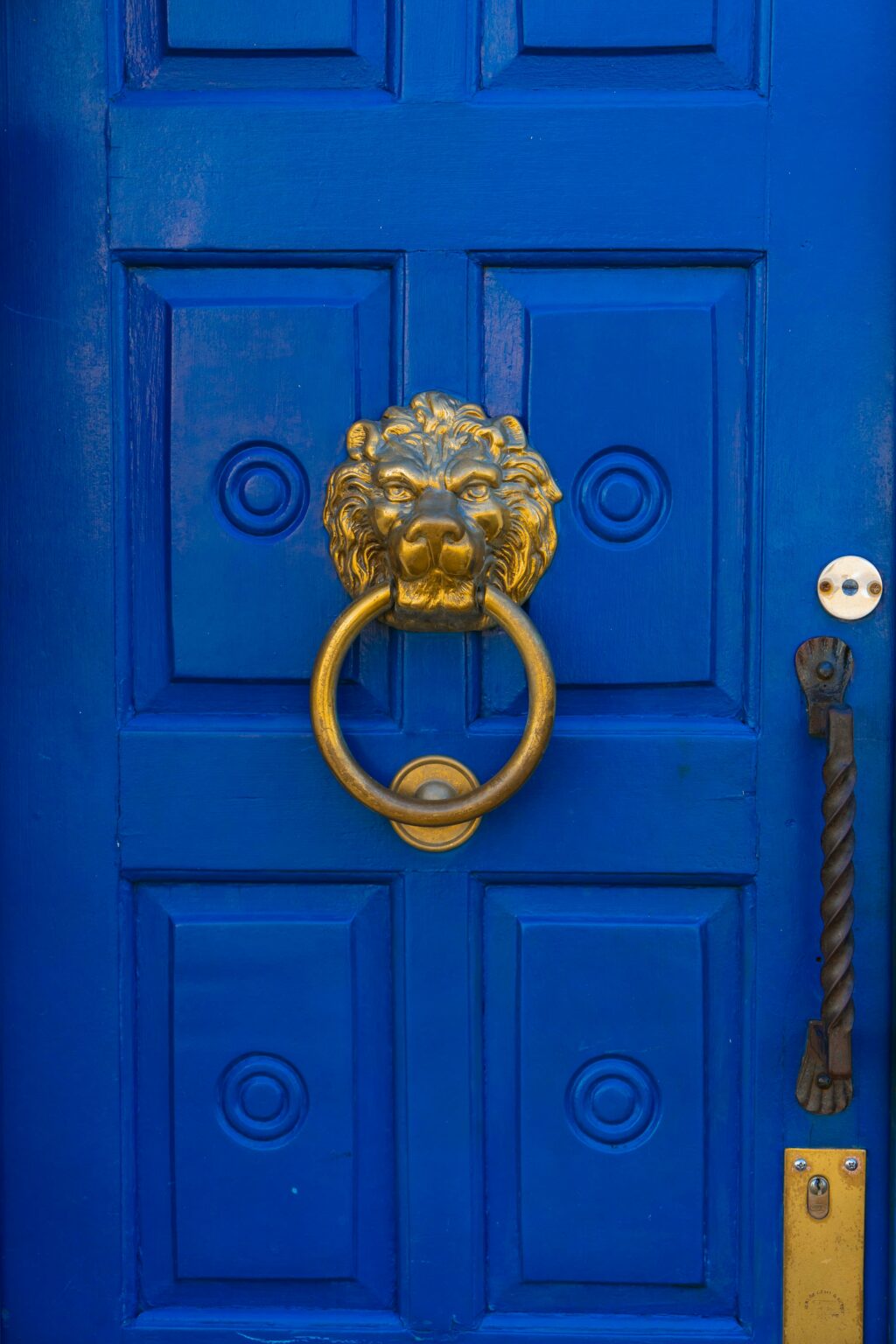
She looked smaller than I remembered, fragile in a way that made it clear she hadn’t come to reconnect out of joy or courage. She came because she was desperate. She told me she was sick and didn’t have much time. Then she asked if she could move in with me.
“It would mean a lot if I could stay in the home I raised you in,” she said.
But I didn’t see a home she raised me in. I saw the place I survived in. I saw the walls that held my questions and my grief. I heard the echo of every night I wondered why I wasn’t enough for her to stay.
So I told her no.
I expected her to argue. To beg harder. To try to pull something out of me—pity, guilt, nostalgia. Instead, she stood there for a moment as if she finally understood that some doors don’t reopen just because someone knocks. Then she left.
The next day, the police arrived at my door.
They told me she had died the night before. For a second, my body forgot how to respond. I couldn’t find words, couldn’t even find a clear emotion to attach to the news. I didn’t know if I felt guilty. I didn’t know if I felt angry. I didn’t know if I felt sad.
I just felt hollow.
The officer explained that I was listed as her emergency contact.
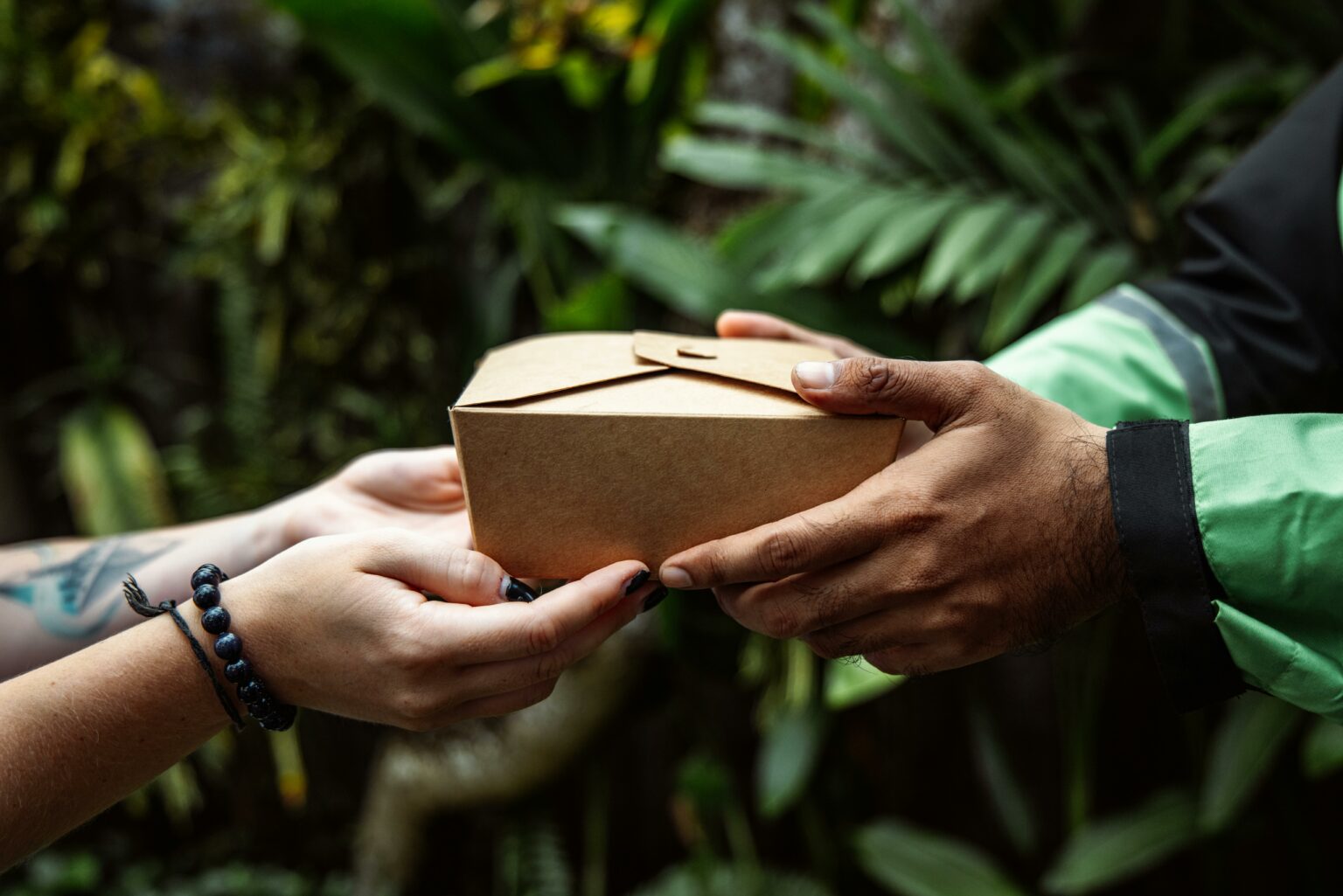
A day later, her lawyer came by. He handed me a small box and said, “She wanted you to have this.”
After he left, I stood there with the box in my hands, unsure if I even wanted to open it. Part of me didn’t want to give her the final word. Another part of me needed to know whether she had ever thought of me at all.
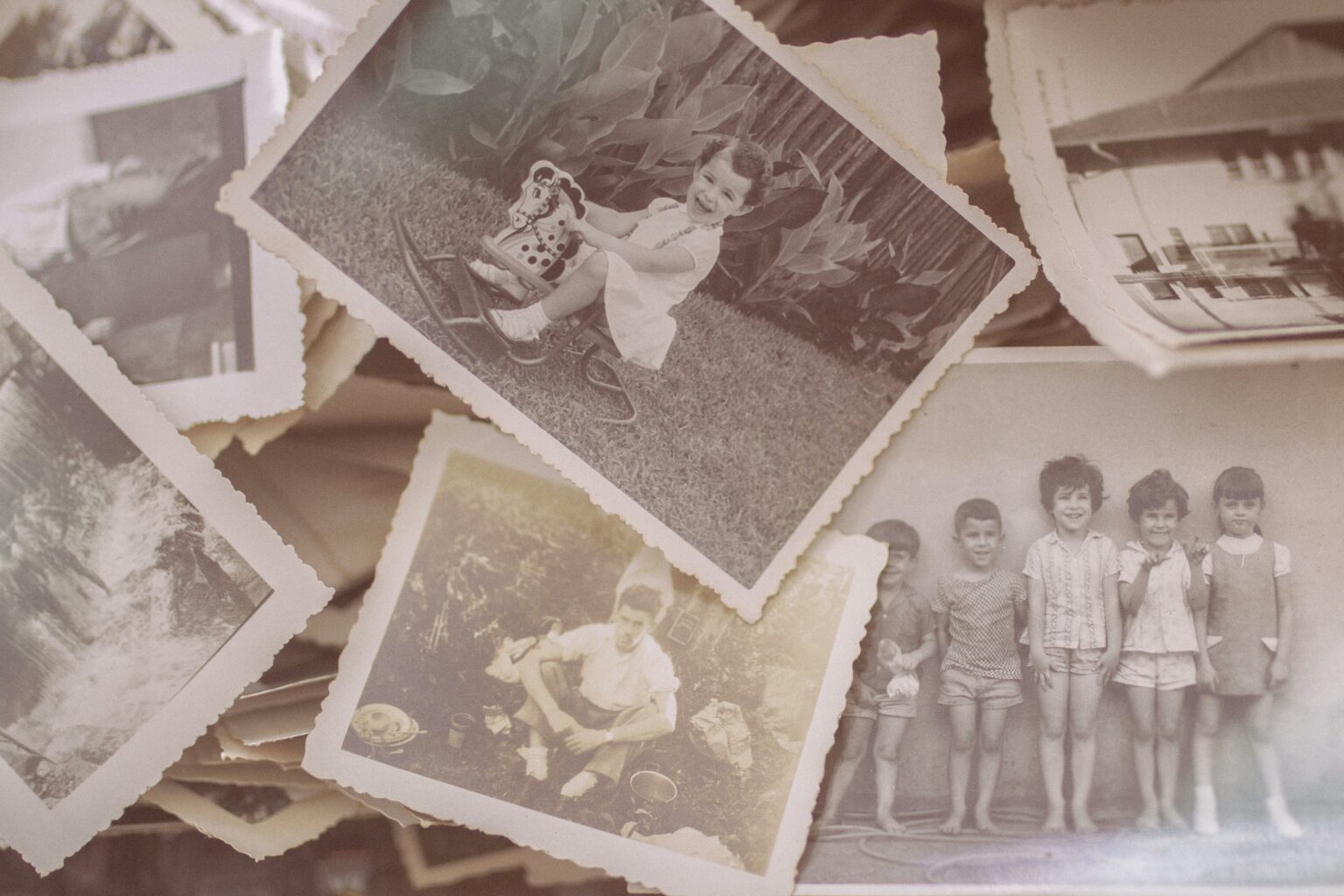
Inside was a worn photograph of me as a child—maybe eight or nine—smiling wide with two missing teeth. My mother was behind me, her arms wrapped around my shoulders. Beneath the photo was a letter.
And when I read it, something in me cracked open.
She admitted that her choices had caused pain she could never undo. She wrote that she didn’t leave because she stopped loving me, but because she was broken and ran from responsibility. She confessed that she had watched me grow from afar, terrified to face the damage she’d caused and terrified that I would look at her the way she knew she deserved.
She asked for forgiveness, but not in a way that tried to force it out of me. She wrote that she didn’t want her mistakes to become a weight I carried into my future. She didn’t want my life to be shaped by what she failed to be.
That was the moment I started crying—deep, uncontrollable sobs that felt like they were stored up for years. I cried for the mother I lost while she was still alive. I cried for the child who kept waiting. I cried for the adult who learned to be strong without ever getting closure.
I didn’t suddenly forgive everything. Not all at once. Some wounds don’t disappear just because someone finally names them. But I did release enough to breathe again.
Because forgiveness, I realized, doesn’t always mean rewriting the past. Sometimes it means refusing to let the past keep rewriting you.
I chose to honor what her absence taught me: loyalty, emotional courage, and the strength to stay when life gets hard. I chose to be the kind of person who doesn’t run when things get uncomfortable, who doesn’t abandon people and call it survival.
I’m still learning. I’m still healing. But I’m also thriving.
I’m learning how to let go of what I can’t change, and how to stop letting the day my mother left define who I am. I can’t undo the years she missed. I can’t recover the version of childhood I should have had.
But I can decide what happens next.
And one thing I know for certain is this: I refuse to let bitterness become part of my life. If I can choose that, after everything, then maybe that really is more than enough.