Spotted this long worm with a flat, shovel-shaped head slithering on the patio stones. It looks totally unnatural.
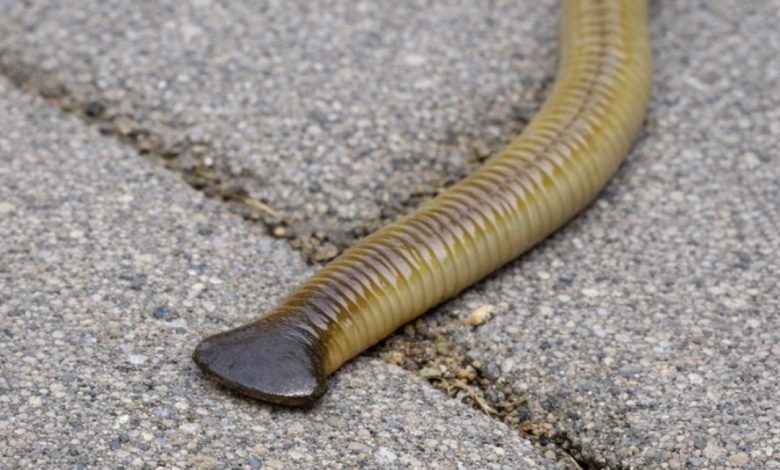
Finding a strange, slimy creature stretched across your patio or garden path can be enough to make anyone stop in their tracks. When that creature has a flat body and a head shaped like a tiny shovel or hammer, the reaction is usually the same: confusion, disgust, and a lot of questions. That unusual animal is commonly called a hammerhead worm, and while it may look like something from a sci-fi movie, it is very real.
These worms are drawing more attention in neighborhoods because they are invasive predators that can harm the health of your soil. Although they are not considered a major direct threat to people or pets, they can create problems in gardens by attacking one of the most useful creatures in the ground: earthworms.
What Is a Hammerhead Worm?
Hammerhead worms are terrestrial flatworms, not regular garden worms. They belong to a group of predators known for their odd head shape, which resembles a hammer or spade. Many are brown, gray, or tan, and some have dark stripes running down the body. Their bodies are flat, smooth, and often coated in slime.
Some species can grow surprisingly long, with many reaching 8 to 12 inches, and occasionally more. Their size and strange appearance are a big reason they alarm homeowners the first time they appear.
How to Recognize One Quickly
The easiest way to identify a hammerhead worm is by its wide, flattened head. Unlike earthworms, which are round and segmented, hammerhead worms look more like a slippery ribbon gliding across the ground.
You are most likely to spot them in wet or humid areas, especially:
- after rainfall
- near flower beds
- beneath rocks, mulch, or pots
- on patios, sidewalks, and driveways in damp weather
Their movement also stands out. Instead of inching along like an earthworm, they slide in a smooth, almost snake-like way.
Why They Matter More Than They Look
The real problem with hammerhead worms is not just that they look unsettling. It is that they are predators of earthworms, which play a major role in keeping soil healthy. Earthworms help break down organic matter, improve drainage, and support plant growth. When hammerhead worms move in, they can reduce those beneficial worm populations.
That means this strange backyard invader can affect:
- soil quality
- nutrient cycling
- garden health
- overall ecosystem balance
For gardeners, that makes them much more than just a creepy curiosity.
Where They Came From
Hammerhead worms are native to Southeast Asia, but they have spread to other regions by hitching rides in potted plants, nursery soil, and landscaping materials. Once introduced into a new area, they can settle in quickly if conditions are moist enough.
Because they often travel unnoticed in soil, people may not realize they have brought them home until they begin appearing in the yard after rain.
Why They Spread So Easily
One reason hammerhead worms are so difficult to control is their unusual method of reproduction. They can reproduce by fragmentation, which means a piece of the worm can develop into another worm under the right conditions.
That is why cutting one up is a bad idea. Instead of solving the problem, it can make it worse.
Are They Dangerous to Humans or Pets?
Hammerhead worms are not known for biting, stinging, or attacking people or pets. Still, that does not mean you should pick one up with bare hands. Their slime can contain substances that may cause skin irritation, and contact should be avoided.
The safest approach is simple: do not touch them directly. Use gloves, paper towels, a stick, or another tool if you need to handle one.
How They Kill Earthworms
Hammerhead worms are efficient hunters. They track down earthworms, trap them with sticky secretions, and then begin digesting them externally. This feeding method allows them to overpower prey that is important to the health of your garden soil.
That is the main reason experts and gardeners take them seriously. A yard full of hammerhead worms can mean fewer beneficial earthworms and weaker soil over time.
What to Do If You Find One
If you discover a hammerhead worm in your yard, the most important rule is this: do not chop it up. That can help it reproduce instead of eliminating it.
A better response is to:
- avoid direct skin contact
- use gloves or a tool
- place the worm in a sealed bag or container
- use a disposal method that prevents it from surviving or regenerating
Many homeowners use salt or vinegar to kill them before sealing and discarding them. The key is to make sure the worm is fully destroyed and cannot return to the soil.
How to Lower the Chances of an Infestation
You may not be able to eliminate every risk, but you can make your yard less inviting by reducing the damp hiding places they like. Helpful steps include:
- checking new plants and soil before bringing them home
- keeping garden areas tidy
- removing excess debris and clutter
- monitoring damp spots after rain
The earlier you spot them, the easier it is to keep them from becoming a larger problem.
Why This Backyard Visitor Shouldn’t Be Ignored
Hammerhead worms may look like a bizarre novelty, but they are more than that. They are invasive predators that can quietly damage the living system beneath your garden. Their strange shape makes them memorable, but their impact on earthworms and soil health is what truly matters.
If you see one, take it seriously. Proper identification, careful handling, and safe disposal can help protect your yard and keep this unwelcome invader from spreading further.