Stop Doing This: 9 Appliances That Don’t Belong on a Power Strip
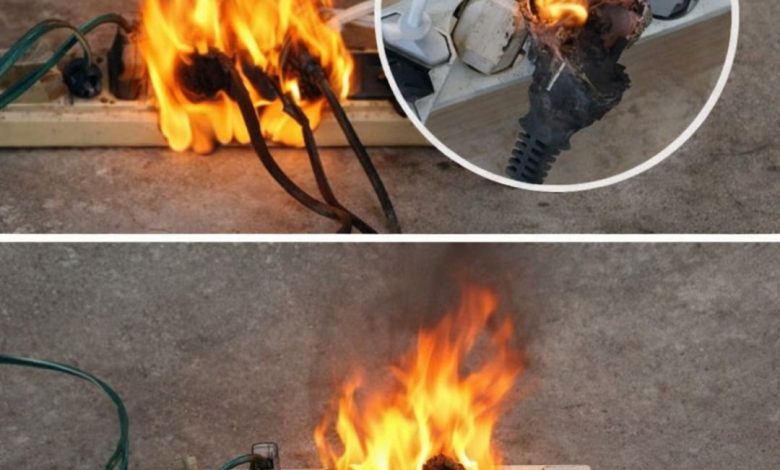
Power strips are convenient, but they are not designed to “create more power.” They simply distribute electricity from a single wall outlet across multiple sockets, which means overloading is easy—especially with appliances that generate heat, use motors, or spike in power when they start up.
Below are nine common items that should always be plugged directly into a wall outlet (or into a properly installed dedicated receptacle), along with the safer alternatives.
1) Space Heaters
Space heaters draw a very high, continuous electrical load, which can quickly overheat a power strip and create a fire risk.
- Never plug an electric space heater into a power strip or extension cord.
- Plug it directly into a wall outlet and keep it away from anything that can burn (curtains, bedding, furniture).
2) Refrigerators and Freezers
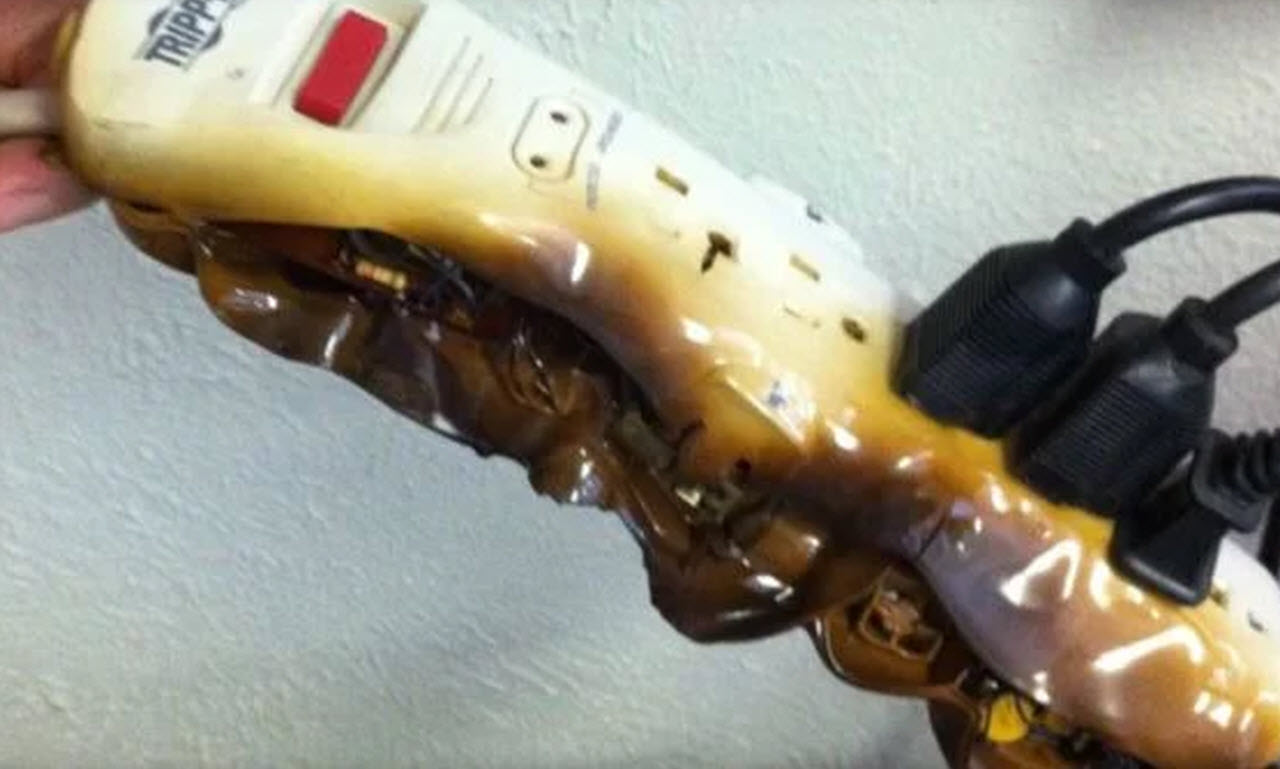
Refrigerators and freezers cycle on and off all day. Each cycle can create startup surges that stress a power strip.
- Plug directly into a grounded wall outlet.
- Avoid sharing the outlet with other high-wattage devices if possible.
3) Microwaves
Microwaves demand a lot of energy in short bursts, which can overload a strip—especially if anything else is plugged into it.
- Give your microwave its own wall outlet whenever possible.
- If your breaker trips or lights dim when it runs, that’s a sign the circuit may be overloaded.
4) Coffee Makers, Toasters, Air Fryers, and Other Heat-Heavy Kitchen Appliances
Many countertop appliances seem small, but their heating elements draw serious wattage.
- Do not use a power strip for appliances that get hot: toasters, toaster ovens, air fryers, electric kettles, coffee makers, hot plates, electric skillets, slow cookers.
- Use a wall outlet (ideally not shared with other high-draw appliances).
5) Hair Dryers, Curling Irons, Flat Irons, and Other Styling Tools
Personal care heat tools pull a heavy electrical load and can cause a strip to overheat.
- Plug directly into the wall (especially in bathrooms).
- Keep cords and plugs dry and never use damaged tools.
6) Air Conditioners (Window or Portable Units)
A/C units have compressors that can cause major power spikes when starting, which power strips are not built to handle.
- Use a dedicated wall outlet.
- If the outlet feels warm, the plug is loose, or the breaker trips repeatedly, stop using it and have the circuit checked.
7) Power Tools
Tools like drills, saws, grinders, sanders, and shop vacs can draw large startup surges and inconsistent loads.
- Plug tools directly into the wall.
- If you need reach, use a proper heavy-duty extension cord rated for the tool’s amperage (not a lightweight household cord).
8) Washers and Dryers
These appliances require dedicated, properly rated outlets (dryers often need 240V). Power strips are not suitable.
- Never run a washer or dryer through a power strip.
- Use the correct wall receptacle installed for the appliance.
9) Another Power Strip or an Extension Cord (Daisy-Chaining)
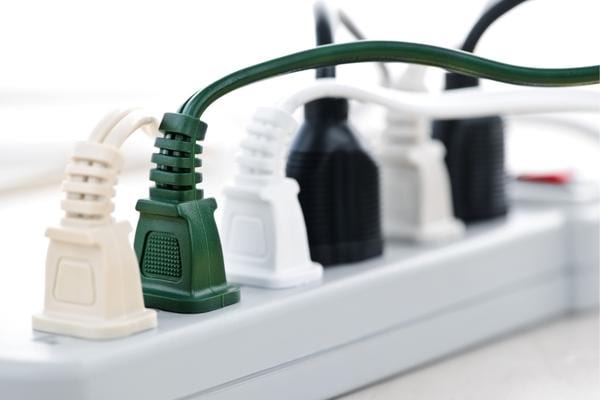
Connecting strips to strips (or strips to extension cords) is one of the most common unsafe setups because it increases load without increasing capacity.
- Never “daisy chain” power strips.
- Use one power strip per wall outlet—and only for low-power electronics.
Quick Power-Strip Safety Checklist
If you do use a power strip, keep it safe with these rules:
- Choose a tested/approved strip with a built-in circuit breaker.
- Know the rating (amps/watts) and stay below it—more outlets does not mean more capacity.
- Keep strips in open air (not under rugs, bedding, or piled behind furniture) to avoid heat buildup.
- If you frequently trip breakers or need many strips, it may be time to add outlets or upgrade circuits with a qualified electrician.