The “Bullet That Didn’t Exit”: Claims, Questions, and What’s Known
A major public memorial for Charlie Kirk, the 31-year-old founder of Turning Point USA, brought together supporters, national political leaders, and Kirk’s family—while investigators and prosecutors continue to reveal details about the shooting, the weapon involved, and the suspect now facing serious charges.
Key Facts at a Glance
- Victim: Charlie Kirk, 31
- Location of shooting: Utah Valley University (Orem, Utah)
- Date of shooting: September 10, 2025
- Memorial venue: State Farm Stadium, Glendale, Arizona
- Memorial date: September 21, 2025
- Suspect: Tyler Robinson, 22 (accused)
What Happened at the Memorial in Glendale
The large-scale memorial service at State Farm Stadium in Glendale, Arizona, featured remarks from President Donald Trump, Vice President JD Vance, and Kirk’s widow, Erika Kirk. Reports from multiple outlets described an atmosphere of grief, religious faith, and political intensity.
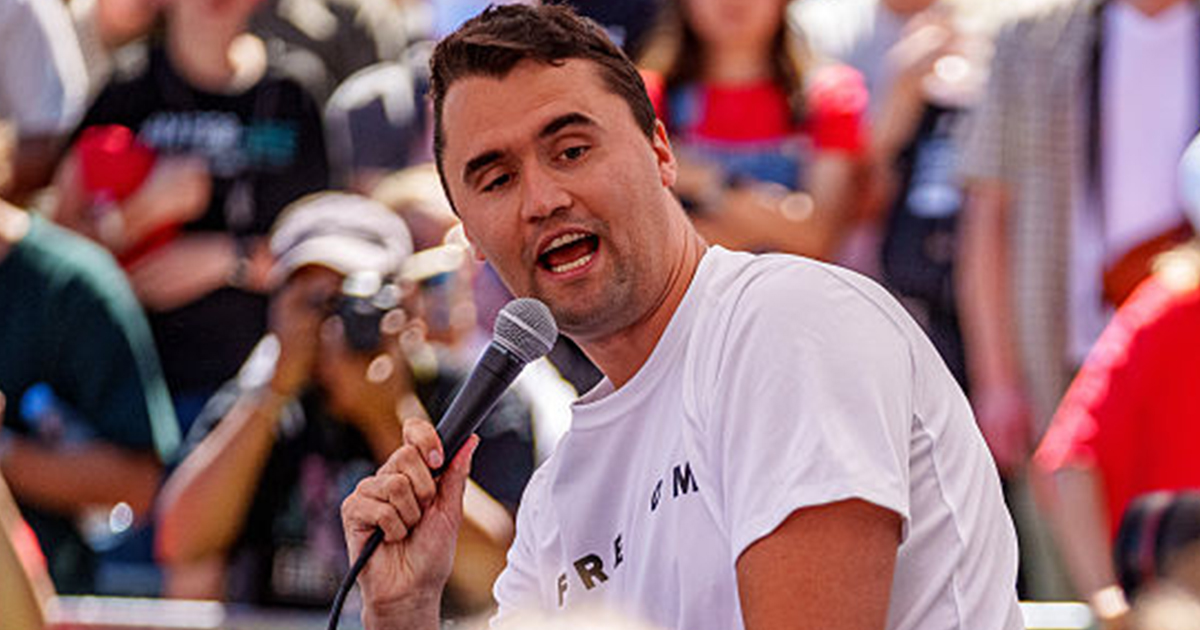
Notable moments included:
- Trump calling Kirk a “giant of his generation” and describing the country as being in mourning.
- Vance portraying Kirk as a figure who “changed the course of history.”
- Erika Kirk publicly forgiving the accused killer, prompting a widely reported standing ovation.
Timeline
- September 10, 2025: Kirk was fatally shot during an outdoor campus event at Utah Valley University.
- September 11–12, 2025: Authorities intensified the search; the suspect was later taken into custody after family involvement in identifying him from released images was publicly described by officials.
- September 21, 2025: Memorial held at State Farm Stadium with major political figures and tens of thousands of attendees reported.
- Late 2025: Court proceedings continued, including disputes about media access and concerns about misinformation circulating online.
The Rifle: Why Investigators Say It May Be Hard to Trace
Authorities and prosecutors have described the weapon as a Mauser Model 98 bolt-action rifle in .30-06—a design historically associated with early-to-mid 20th century military use.
A key issue raised publicly: the rifle may be old enough to predate modern serial-number marking expectations, complicating tracing efforts. U.S. rules changed significantly under the Gun Control Act of 1968, and the ATF notes that firearms made prior to that law generally were not required to be marked with a serial number, unless later remanufactured under covered conditions.

Why that matters
- If a firearm lacks a serial number (or has incomplete/duplicative markings common in older guns), law enforcement tracing can be limited or impossible.
- Even when a serial number exists, the ability to trace depends on available records across transfers—something older firearms may not have consistently.
The “Bullet That Didn’t Exit” Claim
In the days after the killing, a widely shared narrative emerged: that the bullet did not exit Kirk’s body, and that this may have reduced the risk to people standing behind him.
This claim has largely been attributed to statements by Turning Point USA spokesperson Andrew Kolvet, who said he spoke with a surgeon involved in Kirk’s treatment and later referenced coroner findings. Kolvet described the situation as unusual for a high-velocity round and claimed the bullet was found just beneath the skin.
Important context:
- These remarks are second-hand accounts reported through media coverage, rather than a publicly released full medical report.
- The broader point—that the bullet allegedly did not pass through—has been repeated across multiple outlets covering Kolvet’s statements.
Suspect and Case Status: What’s Been Reported
The suspect publicly identified by authorities is Tyler Robinson, 22, who has been charged and appeared in court as prosecutors indicated they plan to pursue severe penalties.
How he was apprehended has been described by officials as involving family recognition of released images and pressure to surrender.
Meanwhile, public commentary has included:
- A statement reported from Robinson’s grandmother asserting authorities had the wrong person and questioning his familiarity with guns, reflecting the high-profile and disputed nature of public narratives around the case.
- Warnings from court coverage that misinformation and manipulated content have circulated online, raising concerns about the integrity of public understanding while legal proceedings continue.
What to Watch Next
- Upcoming hearings and procedural rulings (including media access decisions) as the case moves toward a preliminary hearing timeline described in court reporting.
- Continued scrutiny of how older firearms and incomplete markings affect investigations, a topic repeatedly raised in the public discussion of the rifle involved.
- Ongoing public attention around faith-based messaging and forgiveness following Erika Kirk’s remarks, which became one of the most reported moments of the memorial.