The Mystery Wall-Mounted Metal Object at Hohensalzburg Fortress
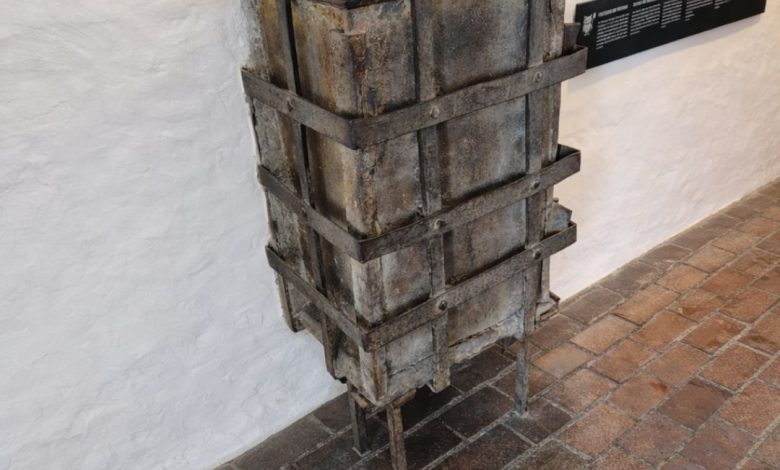
Visitors to Hohensalzburg Fortress sometimes notice a large, wall-mounted metal box in several rooms—often three or four separate spaces—with no nearby sign explaining what it is. At first glance, it can look like an industrial container, a storage bin, or even a protective wall fixture. In reality, it served a very practical purpose: heating.
What It Is
This object is essentially an early form of a radiator-style room heater—a metal heat cabinet designed to release warmth slowly and safely.
In simple terms:
- A heat box mounted against the wall
- Used as a room-warming device, especially in colder seasons
- Designed to hold heat sources inside and radiate warmth outward
How It Worked
The heating method was straightforward and effective for its time:
- Heat was generated elsewhere (a hearth, fire pit, or service area).
- Hot materials were placed inside the metal box, typically:
- Embers from a fire
- Hot stones heated in a fire
- The metal body would absorb and spread the heat, acting like a radiator.
- The box would then radiate warmth into the room over time.
Why Metal and Why Wall-Mounted?
These design choices were not accidental:
- Metal conducts heat well, allowing the box to warm up and distribute heat steadily.
- Wall mounting helped:
- Keep the heater out of foot traffic
- Reduce the chance of accidental contact with hot embers/stones
- Use the wall as a stable surface in rooms with limited space
- The enclosed structure helped control the heat source, compared with an open brazier.
Where You’d Typically Find Them
These heaters appeared in multiple rooms because they were a repeatable, modular solution—especially useful in fortress environments.
Common placements included:
- Rooms used by staff or guards
- Areas where quick, temporary heat was needed
- Spaces not served well by large fireplaces
Why They May Not Have an Explanation Today
Many historical heating fixtures are overlooked because:
- They resemble industrial hardware rather than “decorative” antiques
- They were utilitarian, not ceremonial
- Interpretive signage often focuses on major features (walls, weapons, art) rather than infrastructure like heating systems
Key Takeaway
What looks like an unexplained metal wall box is actually a clever, low-tech heating system: a fortress-era radiator filled with embers and/or hot stones when needed, providing controlled, steady warmth without relying on a permanent fireplace in every room.