The Unexpected Hazard in Your Lamp: Insects, Heat, and Spiral Light Bulbs
Why This Matters
Many people unplug chargers and test smoke alarms, but fewer think about what’s happening inside older light bulbs. One homeowner’s experience highlighted a less-known risk: insects accumulating inside spiral bulbs and creating conditions that can lead to overheating and smoldering.
What Happened in This Case
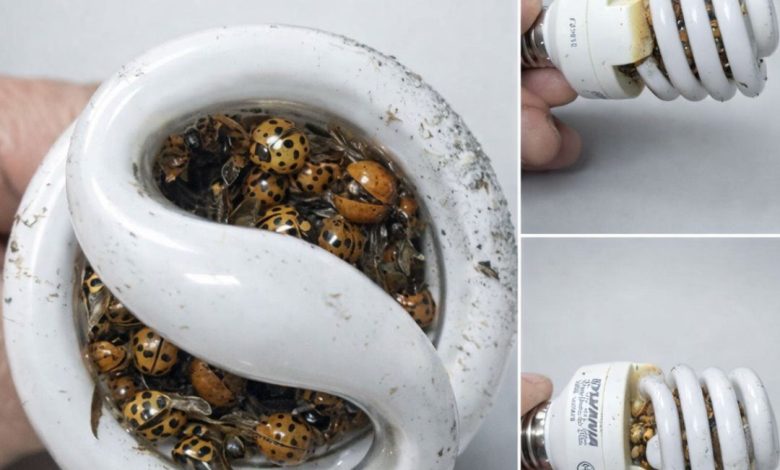
In the fall of 2019, Kentucky homeowner Jason Whitaker reported noticing a strange burning smell that he suspected could be an electrical fire. After searching his home, he eventually traced the smell to a spiral light bulb that appeared to be smoldering.
Key Warning Shared Publicly
Jason later posted a warning on social media urging others to check similar bulbs, stating that these bulbs can be dangerous when neglected for years and not inspected.
What Caused the Bulb to Smolder
According to his account and shared photos, the spiral bulb had been left in a lamp for 4–5 years and became packed with ladybugs trapped between the spirals.
Why Spiral Bulbs Can Attract Insects
Insects are often drawn to:
- Warmth (bulbs generate heat during use)
- Light (a natural attractant for many insects)
- Tight spaces (spiral designs can provide shelter-like gaps)
Over time, bug buildup can:
- Trap heat
- Create debris accumulation
- Potentially contribute to smoldering or overheating conditions
Community Reactions Suggest It’s Not Isolated
Jason’s warning resonated widely, with commenters saying they had experienced similar issues—especially in homes where older bulbs were already installed. His post was reportedly shared hundreds of thousands of times, indicating how quickly the concern spread and how many people had never considered this risk.
What to Check in Your Home
Use this quick checklist (takes minutes):
- Look for spiral CFL bulbs that have been in place for years
- Check for unusual smells (burning, chemical, “hot plastic”) near lamps or fixtures
- Inspect bulbs for darkening, discoloration, or scorch marks
- If safe to do so, examine the spiral gaps for insect buildup or debris
- Pay extra attention to porch lights, garage fixtures, basements, attics, and other areas where insects commonly gather
Safer Habits to Adopt
- Replace very old bulbs instead of leaving them indefinitely
- Keep fixtures clean and free of dust/debris
- If a lamp or bulb smells “hot” repeatedly, turn it off and investigate
- Maintain working smoke alarms and practice basic electrical safety (as you already do)
Bottom Line
This isn’t about panic—it’s about awareness. A quick inspection of older spiral-style bulbs and frequently used lamps can help reduce a surprising overheating risk and improve overall home safety.