The whole internet collaborated to determine what this tool was.
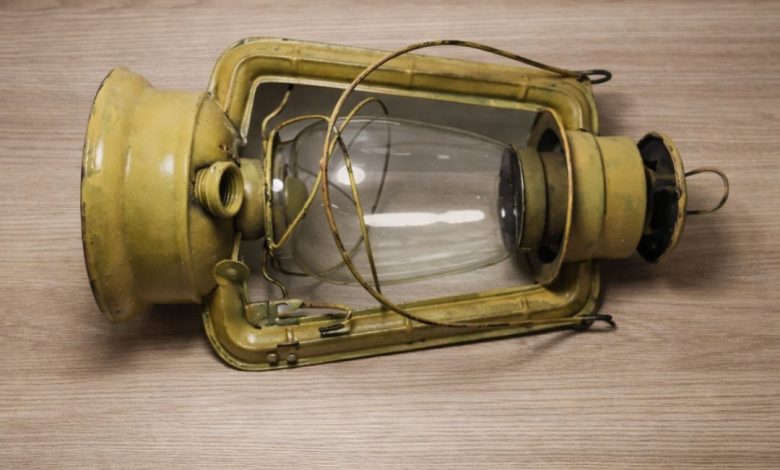
The item shown is an old kerosene lantern, commonly called a barn lantern or hurricane lantern. This style is designed to keep a flame burning steadily outdoors by shielding it from wind with a glass globe and a controlled airflow system.
Common Names
- Kerosene lantern
- Barn lantern
- Hurricane lantern
- Dietz “Little Wizard” lantern (model name)
Who Made It
- Manufacturer: R.E. Dietz Company (Dietz)
- Origin: An American lantern maker known for mass-producing durable kerosene lanterns for farms, railroads, and everyday household use.
- Associated creator/founder: The company traces back to Robert Edwin Dietz, whose business became identified with the Dietz name and lantern production.
When It Appeared
- Hurricane lantern concept: Became widespread in the mid-to-late 1800s, when reliable lighting was critical for farms, workshops, and outdoor work.
- Dietz “Little Wizard” model: A 20th-century Dietz product line that was produced across multiple years/decades, marketed as a practical, compact lantern for everyday utility use.
What You’re Seeing in the Photo (Key Parts)
- Fuel font (tank): The painted metal reservoir that holds kerosene.
- Burner assembly: Where the wick rises and is adjusted to control flame height.
- Glass globe (globe replacement mentioned): The clear chimney that protects the flame and helps create a steady draft.
- Wire guard: Curved wires that protect the globe from impact.
- Air tube / ventilation path (air tube mentioned): Channels air to the burner so combustion stays stable and efficient.
- Bail/handle and frame: Makes it easy to carry or hang in a barn, shed, or outdoors.
Primary Function
- Provides portable light using kerosene and a wick
- Designed to remain lit in wind and rain-splash conditions, making it useful for:
- Barns, stables, and sheds
- Night chores and outdoor work
- Power outages and emergency lighting
- Camping and remote use (historically and sometimes today)
How It Works (Simple Explanation)
- Kerosene is drawn upward through a wick by capillary action.
- The wick is lit, and the glass globe plus the lantern’s airflow design creates a steady upward draft.
- The draft improves combustion, reduces flicker, and helps keep the flame from blowing out.
Why It Was Popular
- Reliable: Works without electricity
- Portable: Easy to carry and hang
- Wind-resistant: The “hurricane” design protects the flame
- Serviceable: Parts like the globe and wick can be replaced, extending working life
Notable Identifiers Mentioned
- Model name: Dietz Little Wizard
- Features referenced: Air tube, green finish, and replacement globe (common maintenance item on these lanterns)
Collector and Practical Value Today
- Many people still collect Dietz lanterns because they represent working farm history and durable American-made utility design.
- Others keep them as emergency lights or rustic décor, especially when the original paint, wire guard, and correct globe style are intact.