Thin metal dowel with one pointed end and one flattened, curved end. there is a roughly textured section in the middle and the pointed end has concentric grooves carved into it. What is it used for?
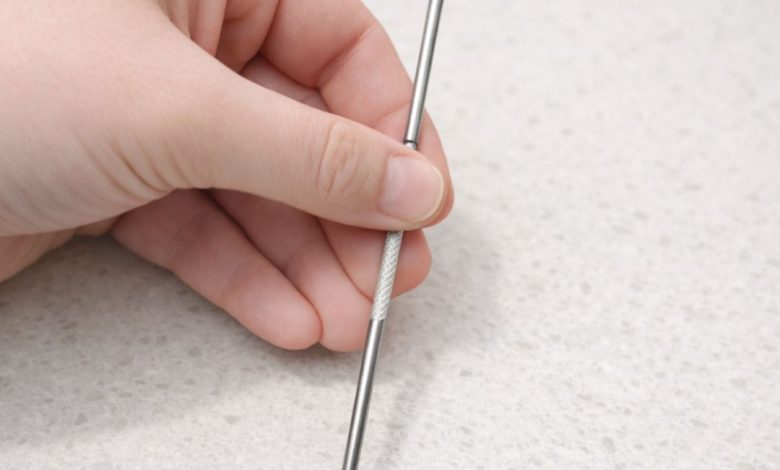
A coffee latte art pen (also called a latte art etching tool) is a slim stainless-steel, double-ended tool used to draw and refine designs on the surface of latte or cappuccino milk foam. In the images, the tool features:
- A fine needle tip for precise lines and details
- A flat spatula/paddle end for shaping, dragging foam, and smoothing edges
- A textured/knurled grip for better control when hands are wet or slippery
Product Name Shown in the Listing
- Coffee Latte Art Pen Stainless Steel Tool (for espresso machine, café, home kitchen)
- Described as usable with chocolate, caramel, and matcha sauces
- Associated with the brand name PPX in the provided text
What It’s Used For (Main Function)
Latte art pens help baristas and home users decorate the top foam layer of drinks to make them look more appealing. They are commonly used to:
- Etch patterns into foam (rosettes, hearts, leaves, feathers, spirals)
- Drag sauces (chocolate/caramel/matcha) into controlled swirls and lines
- Add fine details that are difficult with free-pouring alone (petals, outlines, highlights)
How It Works (Simple Explanation)
- You start with a drink topped with microfoam (smooth, glossy milk foam).
- Add a small amount of sauce (optional) or rely on foam contrast alone.
- Use the needle tip to draw lines, pull sauce through foam, and create intricate shapes.
- Use the flat end to widen strokes, clean edges, or gently push foam to form symmetry.
When It First Appeared (Time of Origin)
- Latte art as a technique became widely recognized in the 1980s, as espresso culture expanded and baristas refined microfoam and presentation.
- The latte art pen/etching tool is best understood as a later, practical evolution of early “etching” methods (simple picks, skewers, thin utensils). It became increasingly common with the rise of specialty coffee training and the home espresso boom (especially from the 2000s onward), when more people wanted repeatable, detailed designs.
Who Created It (Inventor / Creator)
- There is no single universally credited inventor of the latte art pen itself. The tool emerged as an incremental barista innovation—a purpose-built version of earlier etching approaches.
- However, in latte art history, David Schomer (Seattle specialty coffee) is frequently cited as an early major figure who helped popularize modern latte art techniques in the late 1980s and beyond. In practice, latte art also reflects the influence of Italian espresso traditions and broader café craftsmanship.
Why Stainless Steel Is the Standard Material
- Food-safe and non-reactive with coffee and sauces
- Easy to clean and resistant to staining
- Durable tip geometry (needle stays precise; paddle stays firm)
- Maintains a professional, hygienic workflow in cafés
Common Design Features (What to Look For)
- Double-ended build: needle + paddle for versatility
- Knurled grip: reduces slipping and improves precision
- Balanced length: keeps hands away from hot cup edges while maintaining control
- Firm tip: prevents wobble when drawing fine details
Practical Uses (Examples)
- Cafés: fast finishing touches and signature patterns for consistent presentation
- Home kitchens: easy way to make drinks look “barista-made” without advanced pouring skill
- Creative sauces: controlled designs using chocolate, caramel, matcha, or other food-safe syrups
Quick Tips for Best Results
- Use smooth microfoam (not bubbly foam) for clean lines
- Work quickly before the foam separates
- Use minimal sauce to avoid muddy, over-dark designs
- Wipe the tip between strokes to keep lines sharp and prevent smearing
Bottom Line
A latte art pen is a small, precise tool that turns a standard cappuccino or latte into a visually impressive drink. While latte art rose to prominence in the 1980s, the dedicated stainless-steel pen is a modern refinement that became popular as specialty coffee and home espresso culture expanded—helping anyone create detailed, repeatable patterns with foam and sauces.